China Taiwan Row at Pacific Islands Forum in Palau
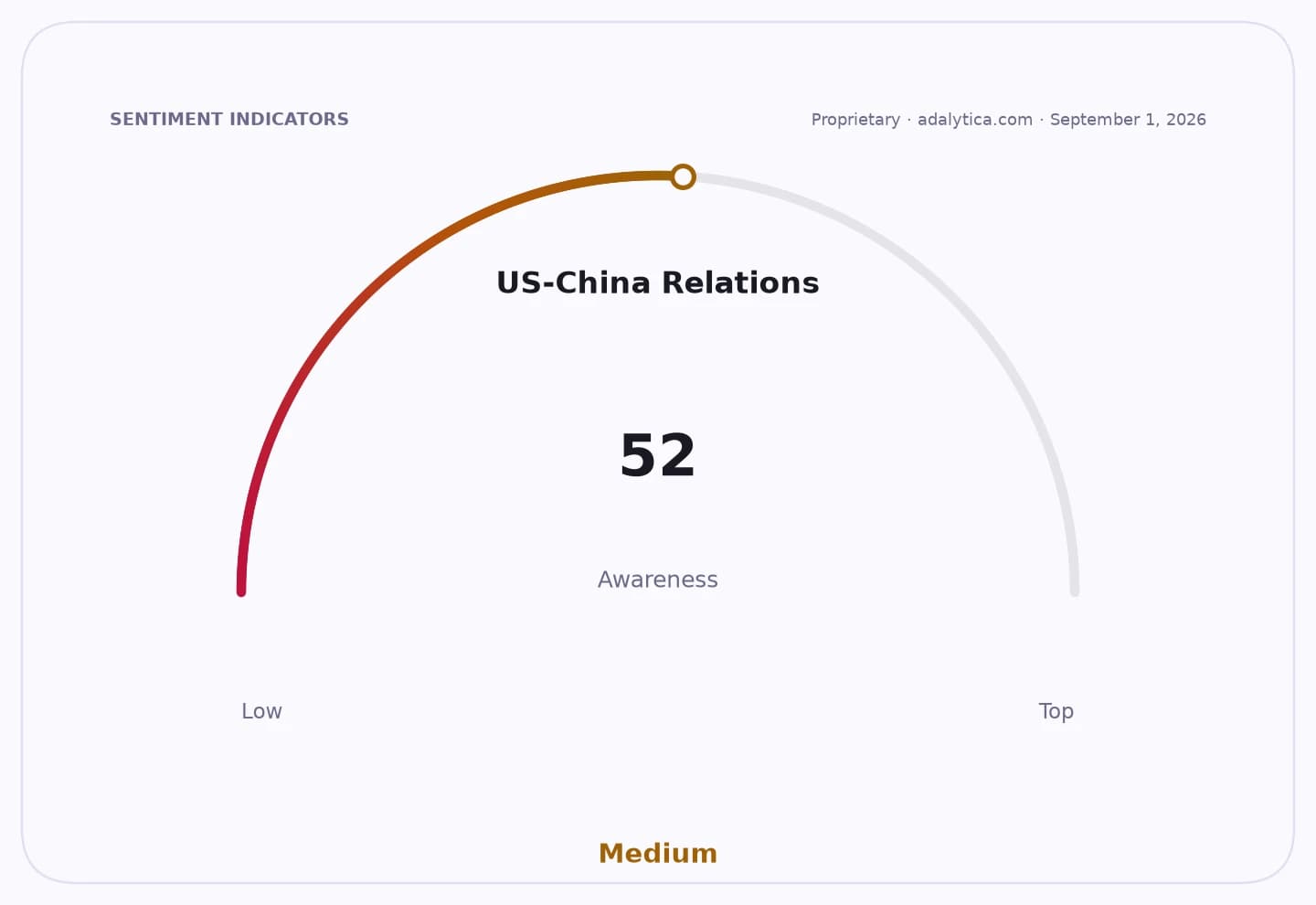
China’s warning that Taiwan’s strong presence at the Pacific Islands Forum in Palau could bring “consequences” is the clearest sign yet that the Pacific is becoming another front in Beijing’s long contest with the West over diplomatic recognition and regional influence.
That matters economically because Pacific islands sit astride sea lanes, climate diplomacy and development finance, three areas where great-power rivalry can quickly spill into trade, tourism, aid and infrastructure decisions. It also matters to investors because geopolitical tension in the region tends to raise the cost of doing business, complicate supply chains and keep a lid on risk appetite across Asia-Pacific assets.
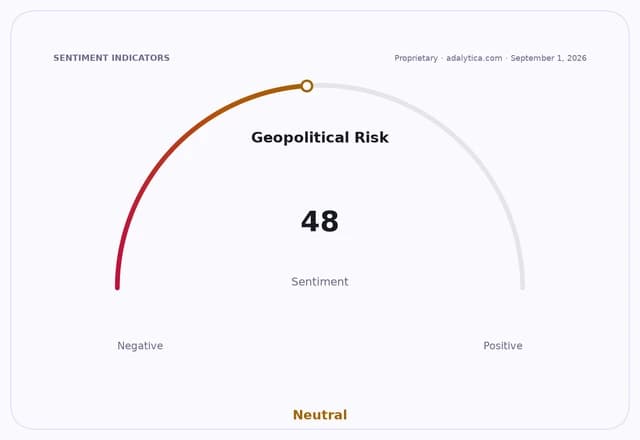
Beijing’s Pacific Islands envoy Qian Bo said China had “serious concerns” about Taiwan’s status at the annual summit but denied he was making a threat. The wording did little to soften the message. Palau, one of only three Pacific nations with formal ties to Taiwan, is hosting the three-day meeting, where Taiwan is represented by Foreign Minister Lin Chia-lung as a development partner. China and Taiwan are not members of the 18-country forum, but both have long sought influence over the bloc and the smaller island states that depend on outside funding and market access.
The stakes go beyond symbolism. China has already shown in the past that it is willing to use economic pressure in the Pacific, including its de facto tourism restrictions on Palau in 2017, a reminder that diplomatic disputes can carry real costs for local economies. For island governments, that makes summit politics more than protocol. It affects who gets investment, who gets visits and who gets access to the region’s limited but strategically important growth opportunities.
The gathering is already looking less united than Pacific leaders would like. Several heads of government are absent, adding to doubts over whether the forum can deliver coordinated action on climate, ocean protection and regional security. Australian Prime Minister Anthony Albanese declined to escalate the row, saying the forum itself decides who attends. New Zealand and Palau have been more direct in rejecting outside pressure, underscoring how the Taiwan issue is now testing the region’s autonomy as much as its diplomacy.
For investors, the bigger lesson is that China’s contest with Taiwan is no longer confined to the Taiwan Strait. It is increasingly showing up in multilateral forums, aid relationships and strategic chokepoints across the Pacific. That does not make the region uninvestable, but it does raise the premium for political risk and strengthens the case for patience, diversification and a focus on countries and companies with less exposure to sudden policy or diplomatic shocks. This is the kind of backdrop worth watching, not trading around.
| Entity | Gains | Losses |
|---|---|---|
| China | ▲Diplomatic pressure leverage | ▼Regional goodwill |
| Taiwan | ▲Visibility at summit | ▼Risk of isolation |
| Pacific island hosts | ▲Attention on sovereignty | ▼Forum unity |
| Investors in Asia-Pacific risk assets | ▲Clarity on geopolitical fault lines | ▼Confidence in stability |