China technology and automation infrastructure demand
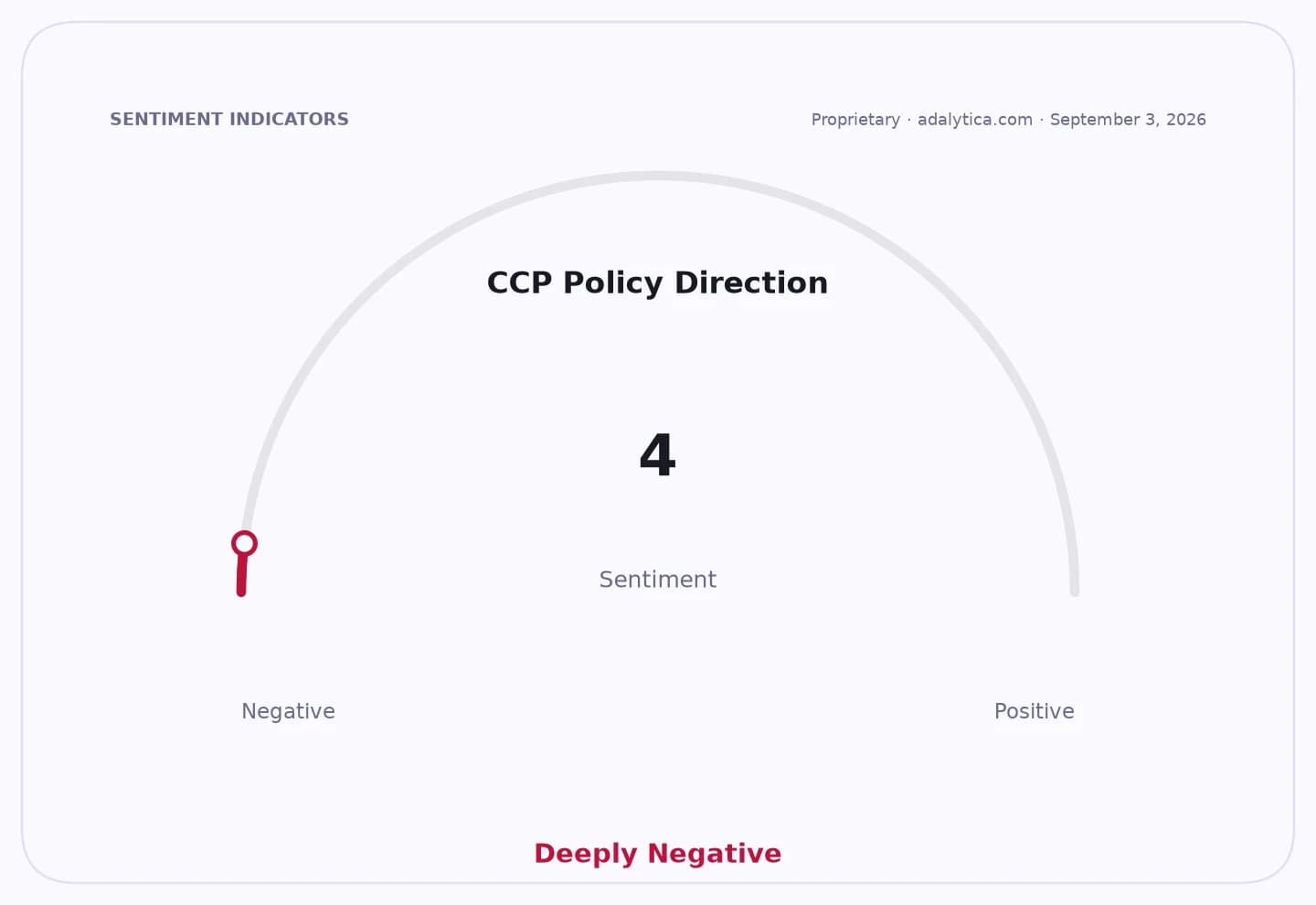
China is no longer just exporting cheap goods; it is exporting a working model for how a large economy can modernize around digital payments, artificial intelligence, automation and urban infrastructure without abandoning its own policy playbook.
That matters because the market is still too often pricing China as a legacy manufacturing story, when the more important economic reality is that it has become a lab for the next phase of industrial efficiency. The lesson is not abstract. From QR-code payments in street stalls to autonomous taxis, live traffic-light countdowns tied to GPS systems and app-based battery rentals, China is showing how software can be fused into everyday commerce at scale, cutting friction, reducing waste and lifting productivity.
For investors, that is a direct clue to where the next capex cycle is flowing. The obvious winners are not just the consumer apps on the surface, but the picks-and-shovels behind them: semiconductors, sensors, networking gear, cloud infrastructure, industrial automation, EV charging, battery logistics and smart-city hardware. When a country of China’s size normalizes QR payments, autonomous mobility and AI-enabled urban systems, it creates a multi-year demand engine for the companies supplying compute, connectivity and automation. That is a powerful tailwind for global infrastructure names, Chinese technology leaders and any supplier tied to digital transaction rails or machine vision.
The geopolitical backdrop only sharpens the case. U.S.-China tensions remain elevated, with Washington pressing sanctions on Iran and Beijing openly rejecting coercive pressure tactics, while Taiwan has accused exporters of moving AI servers illegally to China. That tells you two things: China is not slowing its technological push, and the race to secure AI supply chains is intensifying. In a world where strategic decoupling is still incomplete, the beneficiaries are likely to be firms that can sell into multiple ecosystems or sit at the critical choke points of compute and industrial digitization.
What the market underestimates is how fast these behaviors become embedded once they are normalized. Cashless micro-payments, robotaxis and live city data are not gimmicks; they are proof points for scalable adoption. They reduce transaction costs, improve traffic flow, save energy and make urban labor more productive. In other words, they are economic tools, not just tech showcases. That is why China’s model should matter to investors everywhere: it points to a future in which efficiency, automation and infrastructure integration become the real growth trade.
If you want the asymmetric opportunity, look past the headline China narrative and toward the infrastructure behind it. The best position is in the companies and ETFs enabling AI compute, smart mobility and industrial automation — because China is not simply catching up anymore, it is teaching the rest of the world how the next economy is built.
| Entity | Gains | Losses |
|---|---|---|
| China tech and automation leaders | ▲Scale and policy support | ▼Legacy hardware firms |
| AI server and chip suppliers | ▲Rising compute demand | ▼Export-restricted vendors |
| Smart-city and mobility infrastructure firms | ▲More urban digitization | ▼Traditional transport operators |
| Cash, manual tolling and legacy payments | ▲Faster obsolescence | ▼Transaction friction advantage |