China trade envoy visit lifts BHP and Rio Tinto
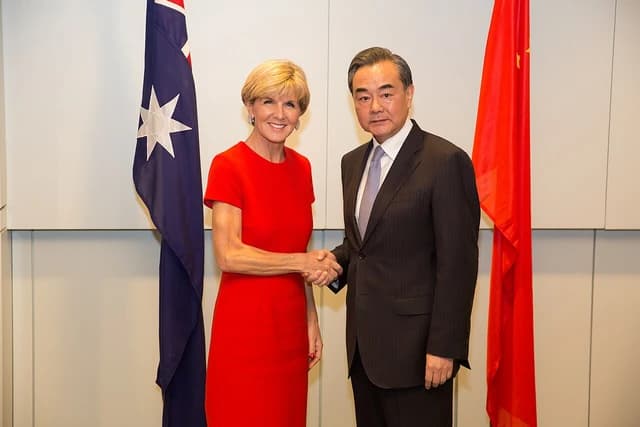
China’s decision to send a senior trade negotiator to Canberra underscores how economic ties with Australia remain too important to leave hostage to politics, even as the relationship is reshaped by strategic rivalry and regional competition.
The visit by “Asia enforcer” Li Chenggang — China’s top trade envoy and a familiar figure in hard-nosed market access talks — matters because Australia sits at the intersection of China’s resource needs, the US-China rivalry and the broader contest for influence across the Indo-Pacific. For Beijing, keeping trade channels open with a major commodity supplier helps limit supply risk at a time when it is seeking to stabilize external relationships. For Canberra, the engagement is a reminder that China remains the dominant customer for parts of Australia’s export complex, even after years of political friction and efforts to diversify trade links.
That economic dependence is visible in the market response. Australian miners remain among the clearest beneficiaries of any thaw in bilateral ties, and their shares have been strong. BHP has climbed to 97.13, up sharply from 52.58 in October, while Rio Tinto has risen to 104.80 from 77.23 in January. Both stocks are trading well above their 50-day and 200-day moving averages, with RSI readings that point to sustained momentum rather than a brief relief rally. That suggests investors are still pricing in firm demand for iron ore and related commodities, and are treating improved China-Australia dialogue as supportive for the sector.
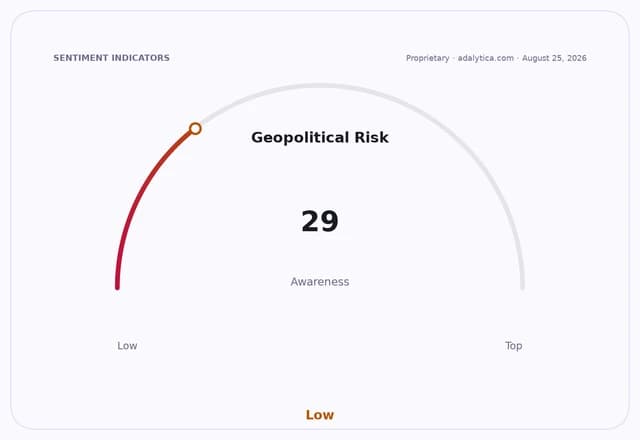
The strategic significance is broader than one diplomatic meeting. China has been working to reduce the risk of supply disruptions across key import channels, while Australia is trying to preserve commercial access without compromising on security policy. The relationship has already shown how quickly politics can spill into trade, from tariffs and informal restrictions to pressure on education, tourism and wine. A higher-level trade visit signals that both sides see value in managing disputes before they become economically costly again.
For investors, the key issue is whether the rapprochement is durable enough to matter for pricing. The bullish case is that continued dialogue lowers the tail risk of fresh trade restrictions and keeps the commodity flow between the two economies intact. That would support Australian mining earnings, the terms of trade and the Australian dollar over time. The bearish case is that the visit is tactical rather than structural: Beijing may want commercial stability while still using trade as leverage, and Canberra’s security alignment with Washington could limit how far the thaw goes.
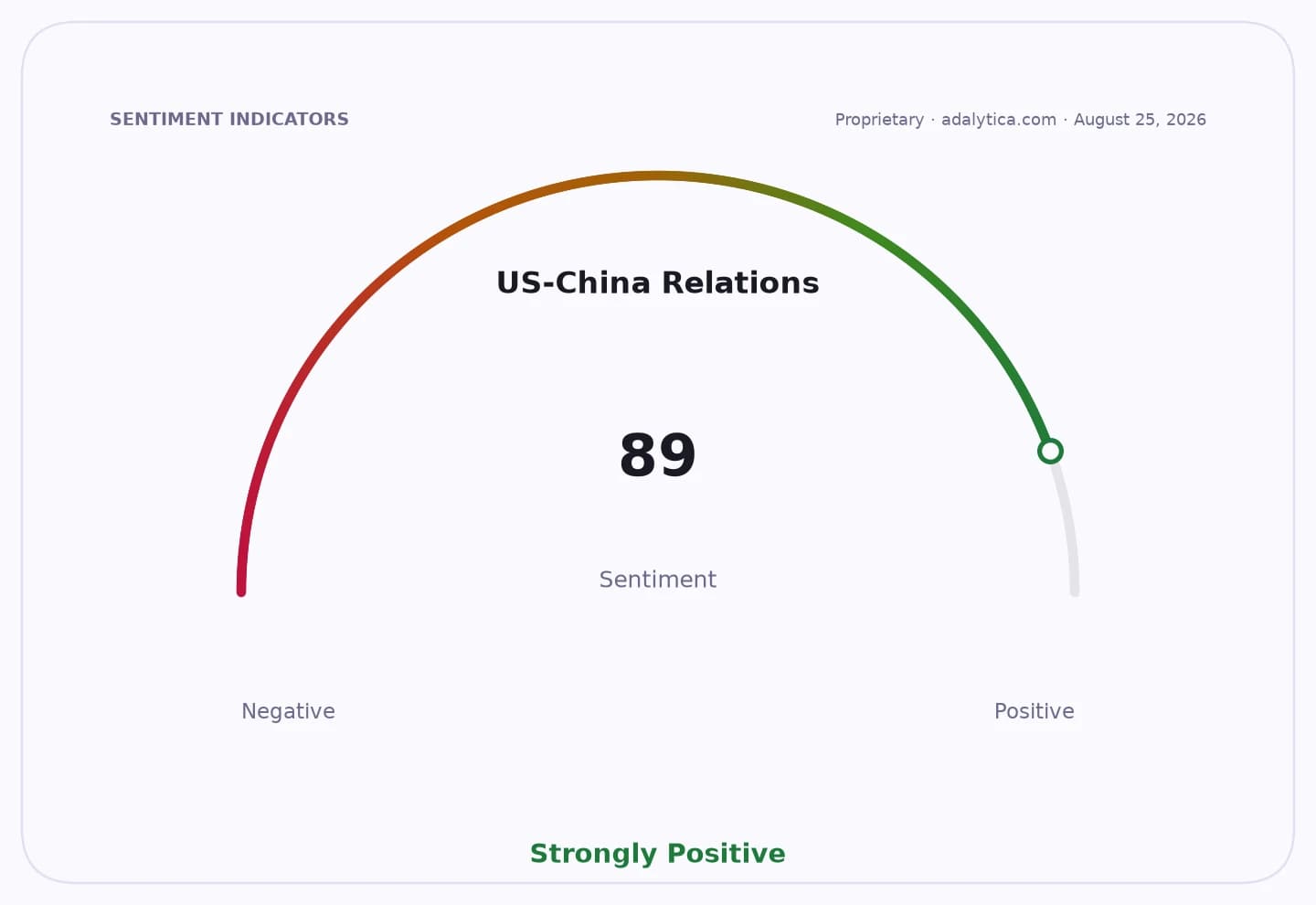
That is why the narrative around this trip is not just diplomacy. It is about China using economic statecraft to manage its exposure to Australia, and Australia trying to turn that engagement into a more predictable export backdrop. With global stability sentiment in the market still running hot and US-China relations swinging sharply, investors are likely to keep treating Australia as a proxy for how far Beijing is willing to separate commerce from geopolitics.
| Entity | Gains | Losses |
|---|---|---|
| Australian miners | ▲Trade stability | ▼Tariff risk |
| China | ▲Resource security | ▼Supply leverage |
| Australia | ▲Export access | ▼Political pressure |
| Short commodity traders | ▲Volatility | ▼Steady demand |