China adds travel curbs over security violations
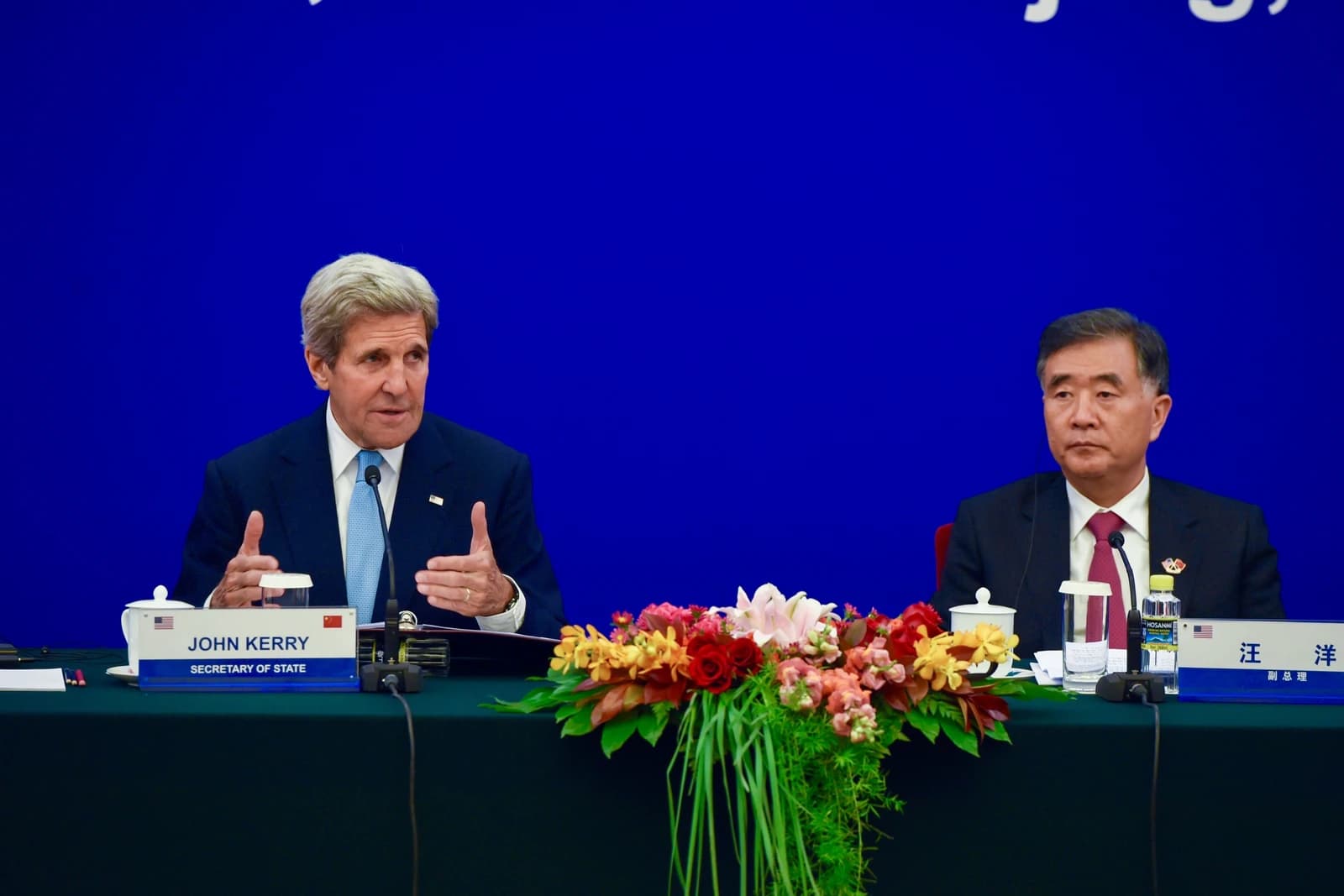
China’s new power to block citizens from leaving the country over national security or tech export violations is a clear escalation in Beijing’s effort to keep sensitive know-how, talent and supply-chain intelligence inside its borders.
That matters because China is no longer just policing data and chip shipments at the border — it is now reaching directly into the movement of people, which is often the fastest channel for transferring expertise, building offshore partnerships and moving industrial secrets. For investors, that raises the cost of doing business across the world’s most important technology supply chain and increases the odds that the U.S.-China split deepens from trade restrictions into tighter controls on labor, collaboration and corporate mobility.
The policy is aimed squarely at workers tied to technology and industrial sectors, the same ecosystem that feeds everything from semiconductors to advanced manufacturing. In practical terms, the move gives authorities another lever to prevent executives, engineers and researchers from leaving when Beijing believes national security or export rules are at risk. That is a significant shift in a market that has long treated Chinese talent, supplier relationships and cross-border site visits as routine parts of global production.
The broader economic effect is likely to be less visible than a tariff or a sanctions list, but potentially more durable. If Chinese firms face tighter controls on who can travel, where they can meet and how freely they can transfer expertise, the result is a more fragmented innovation system. That fragmentation can slow collaboration, raise compliance costs and make it harder for multinational companies to manage supply chains through China in the same way they did before.
For investors, the immediate takeaway is that geopolitical risk is moving deeper into operating models. Semiconductor names, AI infrastructure suppliers, industrial automation companies and any business with significant China exposure could face more friction around personnel, customer support and technical exchanges. That is especially important for companies already warning that export controls can disrupt demand or supply chains, including major chipmakers and their suppliers.
The market has not fully priced the second-order effects. China may be trying to protect strategic capabilities, but the investment implication is that global technology networks become less efficient and more political. That tends to favor domestic winners in China’s strategic sectors, while also supporting U.S. and allied firms positioned to benefit from duplication of supply chains, onshore manufacturing and tighter security screening.
Adalytica’s US–China Relations Sentiment gauge has also deteriorated sharply, underscoring how quickly market confidence can turn when policy shifts from goods to people. With global stability sentiment at extreme fear, investors should assume this is not a one-off administrative measure but part of a broader securitization trend that could spread to more industries and more countries.
The best positioning remains in the picks-and-shovels of fragmentation: domestic semiconductor capacity, cybersecurity, supply-chain software, industrial security and defense-linked infrastructure. The market underestimates how quickly travel rules, talent controls and export enforcement can become a persistent capex and valuation tailwind for firms that help companies operate in a more divided world.
| Entity | Gains | Losses |
|---|---|---|
| Chinese authorities | ▲Tighter security control | ▼Less cross-border openness |
| Domestic security and compliance firms | ▲More demand | ▼Lower in a freer system |
| Global chip and industrial companies | ▲Supply-chain localization plays | ▼China operating friction |
| Tech workers and executives | ▲Limited gains | ▼Travel restrictions |