China Typhoon Dolphin Halts Zhejiang, Fujian Ports
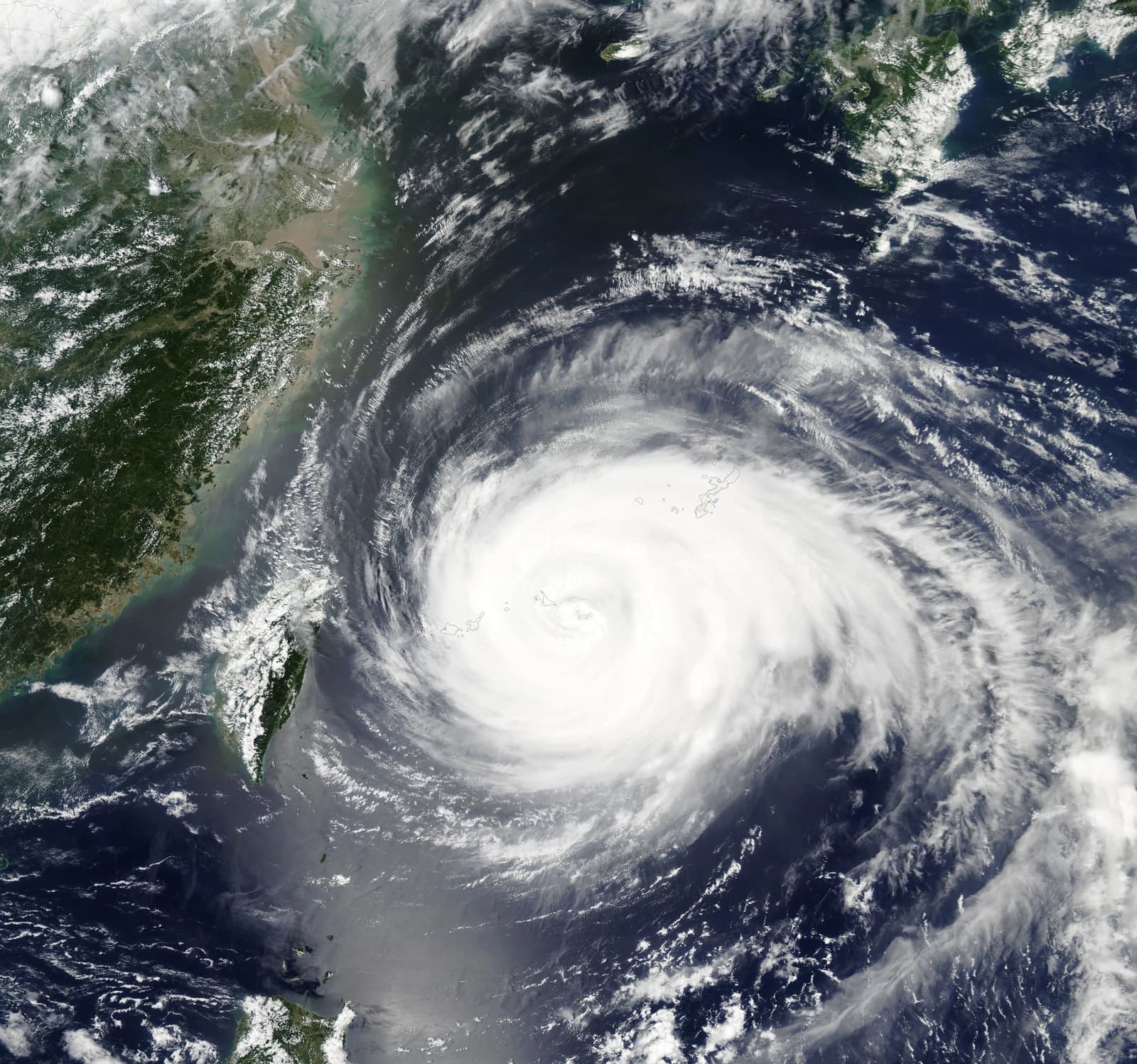
China’s decision to issue its highest typhoon warning level matters far beyond weather watches because it immediately threatens port throughput, factory logistics and regional trade flows just as investors are already pricing in a fragile macro backdrop.
Typhoon Dolphin has already forced evacuations in China’s east and battered southern Japan, where the storm knocked out power to more than 50,000 buildings and disrupted flights. In China, authorities moved nearly 99,000 people out of harm’s way and suspended port operations in Zhejiang and Fujian provinces, two coastal hubs that sit on major manufacturing and export routes.
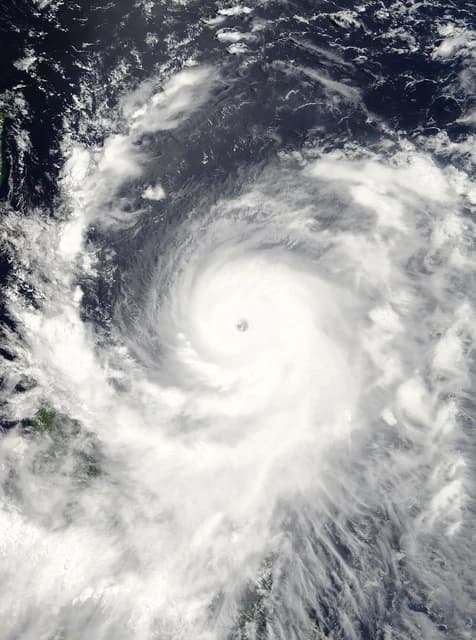
That is the economic transmission investors need to focus on. When ports go dark, container schedules slip, trucking bottlenecks build and inventories get pulled forward. For a country that still anchors huge chunks of global electronics, machinery and consumer-goods supply chains, even a short shutdown can ripple through shipping rates, delivery times and factory utilization across Asia.
The market impact is likely to show up first in freight-linked names and then in companies exposed to delayed orders, inventory swings and weather-related insurance claims. China-based retailers and exporters with concentrated coastal logistics could see near-term disruptions, while global shippers and parcel operators face the risk of service delays and higher operating costs. FedEx, for example, has already warned that harsh weather and natural disasters can materially affect its ability to restore operations quickly.
Chinese equities tied to domestic consumption and logistics are also vulnerable to a fresh burst of volatility. Nio’s recent rebound and JD’s strong technical setup suggest investors have been willing to buy China beta on stabilization hopes, but a severe storm is a reminder that physical disruption can quickly interrupt sentiment-driven rallies. If port suspensions last longer than expected, the larger risk is not just lost days of output, but a broader hit to confidence in the durability of the recovery.
The bigger investment takeaway is that extreme weather is becoming a more frequent macro variable, not a one-off event. That favors companies with resilient supply chains, diversified logistics networks and pricing power, while punishing the weakest links in coastal trade, transport and inventory-heavy retail. In the near term, traders may fade the most weather-exposed China plays; over a longer horizon, the real beneficiaries are the infrastructure, industrial and logistics businesses built to profit from a more volatile operating environment.
| Entity | Gains | Losses |
|---|---|---|
| Ports and logistics operators with resilience | ▲Higher demand for backup capacity | ▼Operational disruption costs |
| Exporters and manufacturers in Zhejiang/Fujian | ▲Little near-term upside | ▼Shipment delays and idle capacity |
| Global shippers and parcel firms | ▲Rate support from rerouting | ▼Service interruptions and higher costs |
| Weather-resilient industrials and infrastructure names | ▲Relative safe-haven demand | ▼Limited direct downside |