China Objects to U.S. AI Supply-Chain Pilot in Panama
China said U.S. efforts to build a pilot AI supply-chain credentialing system in Panama amount to “exclusive groupings” and geopolitical calculations that are not conducive to technological development, underscoring how Latin America is becoming a key front in the contest over AI, semiconductors and critical minerals.
The remarks from Foreign Ministry spokesperson Guo Jiakun came after the U.S. embassy in Panama introduced what it called the world’s first pilot AI supply-chain credentialing and provenance platform. Washington says the project is under evaluation, but Chinese officials and some media outlets view it as a tool to monitor the origin, custody and compliance status of cargo tied to AI infrastructure and chip supply chains.
That makes the initiative more than a niche logistics project. If expanded, such systems could help the U.S. tighten oversight of sensitive technology flows and enforce restrictions on Chinese access to advanced chips and inputs, while also shaping how governments in Latin America and the Caribbean engage with competing tech standards.
For investors, the dispute adds another layer of geopolitical risk around the semiconductor supply chain, AI infrastructure buildout and critical-minerals trade. Any move toward bloc-based screening or provenance rules could raise compliance costs, slow shipments and complicate sourcing for hardware makers, miners, logistics firms and cloud and AI infrastructure providers with exposure to the region.
China’s response also signals it intends to compete for influence in Latin America on AI governance, not just trade and infrastructure. Guo said Beijing will work with LAC countries and other parties to build a “just and equitable” global AI governance system and promote open and inclusive development of AI.
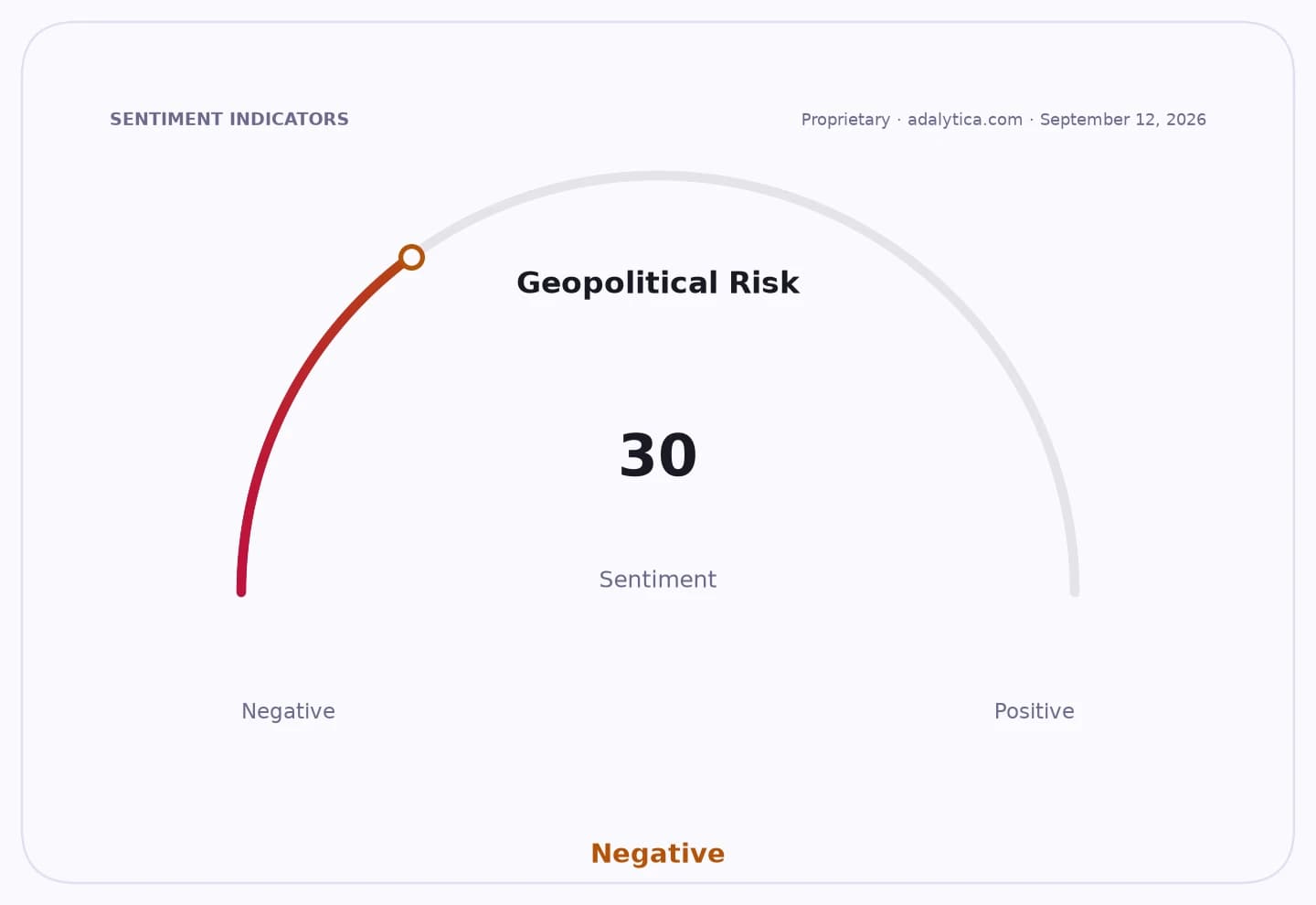
The broader backdrop is a market already sensitive to geopolitics, with investor gauges showing heightened fear around global stability. That leaves technology supply chains, especially those involving semiconductors and critical minerals, exposed to further policy shocks as Washington and Beijing press their competing visions for how AI infrastructure should be built and controlled.
| Entity | Gains | Losses |
|---|---|---|
| U.S. embassy in Panama | ▲Supply-chain oversight | ▼Perceived tech neutrality |
| China | ▲Diplomatic framing in LAC | ▼Influence over tech standards |
| Latin American and Caribbean governments | ▲Leverage in rival bids | ▼Risk of bloc pressure |
| Chip and AI supply chains | ▲Provenance clarity | ▼Higher compliance costs |