China Presses U.S. Over ICE Custody Death in Saipan
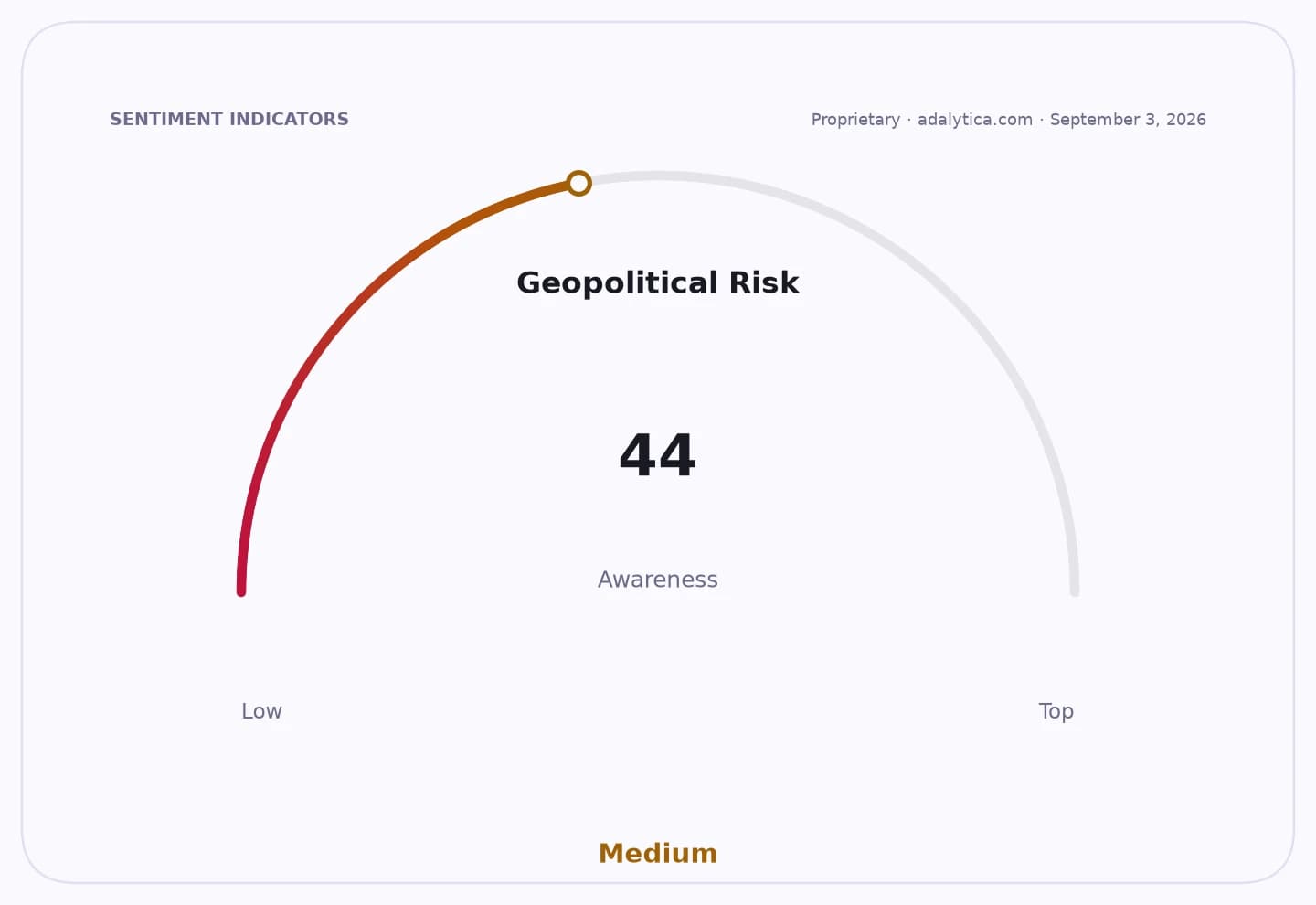
China is pressing Washington for answers after a 51-year-old Chinese national died hours after being taken into ICE custody in the Northern Mariana Islands, adding fresh diplomatic heat to an already strained relationship and putting a spotlight on the Trump administration’s immigration crackdown.
The death of Lianyong Wei on Aug. 23 matters beyond the individual case because it feeds into broader scrutiny of ICE detention practices at a time when arrests and removals are rising and deaths in custody are drawing alarm from rights groups, public health experts and foreign governments. Beijing’s demand for a “timely and thorough investigation” raises the diplomatic stakes and could complicate an already sensitive U.S.-China agenda.
Wei died at a hospital in Saipan after a guard found him unresponsive during routine morning checks, according to ICE. Authorities said the cause of death is under investigation, but the agency has not said whether he received a medical intake screening within the first 12 hours of custody, a procedure experts say is critical to preventing deaths.
The case is likely to deepen questions over ICE transparency after the agency took more than a week to publicly acknowledge the death, even though local authorities announced it a day earlier. That delay could fuel criticism that the administration is moving too aggressively on immigration enforcement without enough oversight of detainee welfare.
Wei is at least the fifth Chinese national to die in ICE or Border Patrol custody since March 2025, according to Associated Press tracking, and at least 57 detainees have died since President Donald Trump returned to office in January 2025. For investors, the story is less about direct market impact than about policy risk: a rising death toll increases the odds of political backlash, legal challenges and pressure on the U.S. government to tighten procedures or slow parts of its enforcement apparatus.
The diplomatic dimension also matters because China has been more willing to challenge Washington publicly on human rights and consular treatment, especially when domestic pressure aligns with broader tensions over trade, sanctions and geopolitical rivalry. A prolonged dispute could add another irritant to U.S.-China relations just as both sides are trying to manage a wider array of economic and security flashpoints.
ICE’s detention footprint in the Northern Mariana Islands is small, but the optics are large. Saipan’s lockup held an average of 18 detainees a day this year in a U.S. territory of about 50,000 people, underscoring how a local custody death can quickly become an international issue.
The immediate catalyst now is the investigation into Wei’s death, along with any response from ICE on medical screening and release timing. Any finding of procedural failure would likely intensify scrutiny of the agency and sharpen Beijing’s pressure on Washington.
| Entity | Gains | Losses |
|---|---|---|
| China | ▲Consular leverage | ▼U.S. accountability pressure |
| ICE | ▲Enforcement reach | ▼Credibility on detainee care |
| Trump administration | ▲Immigration hardline support | ▼Diplomatic friction with Beijing |
| Detainee advocates | ▲Oversight momentum | ▼Another custody death |