China Presses U.S. to Roll Back Iran Sanctions
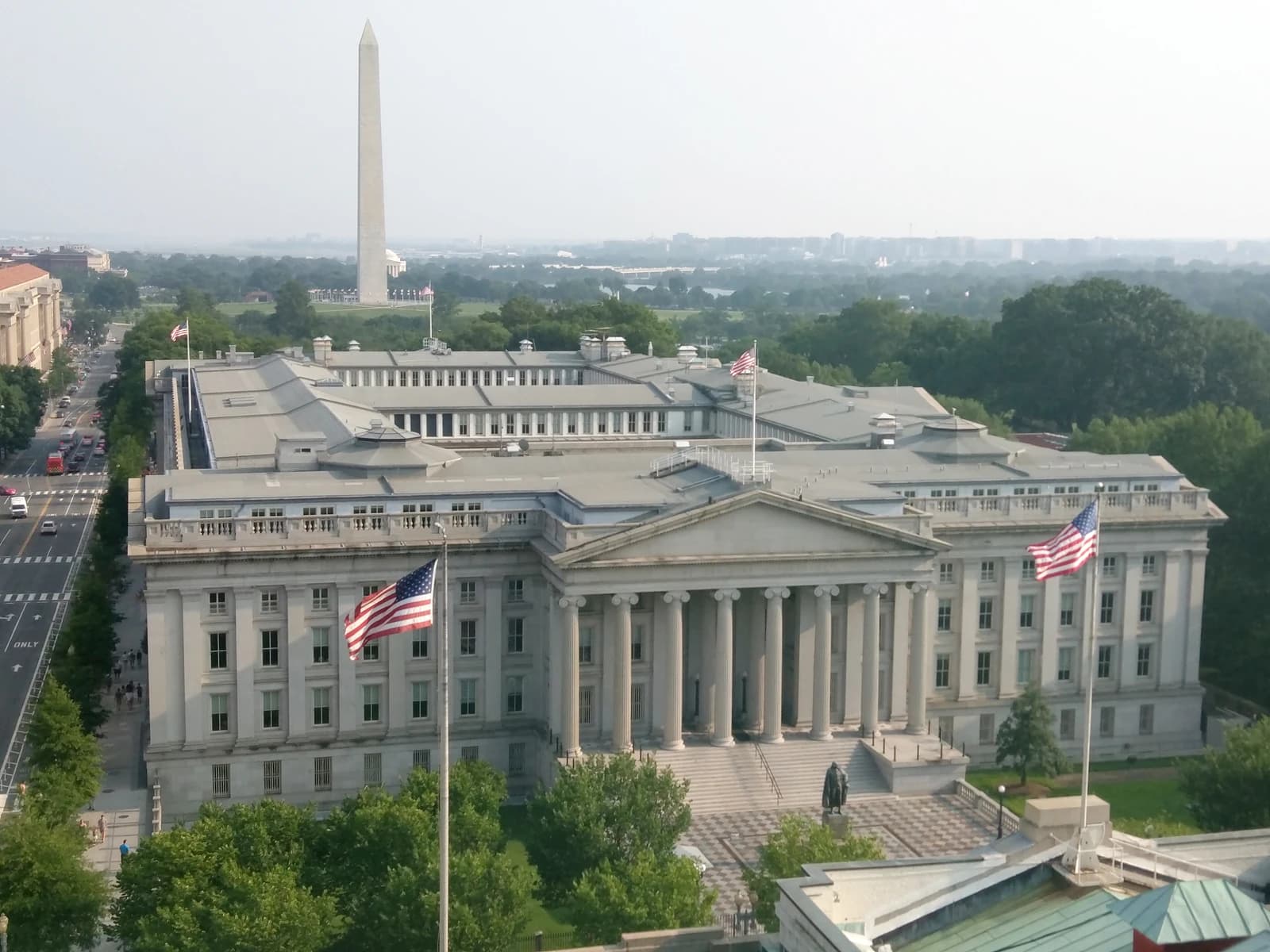
China is pressing Washington to roll back sanctions on Chinese companies and citizens tied to Iran, a reminder that the fight over Tehran’s oil network is still running through the world’s biggest trade relationship and the global energy market.
Beijing’s Commerce Ministry said the U.S. sanctions have no basis in international law and are not backed by the U.N. Security Council, but the economic issue is bigger than legal language. These restrictions can impede shipping, payments and commodity flows between China and Iran, and they add another layer of friction to an already fragile oil market. For investors, that matters because sanctions enforcement can tighten the supply of Iranian crude, reshape tanker routes and keep geopolitical risk embedded in energy prices.
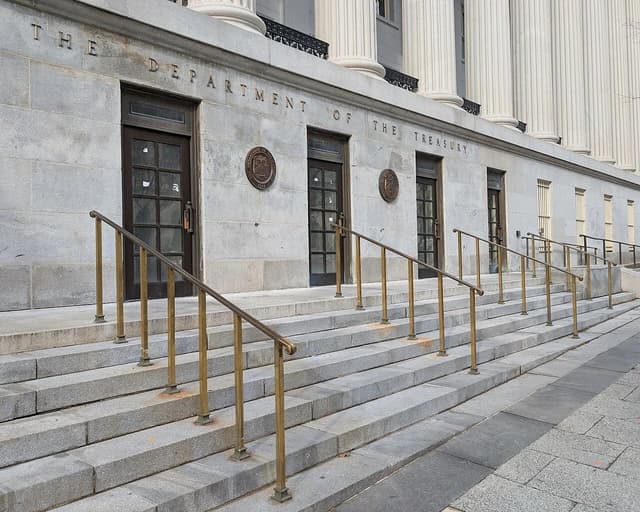
The U.S. has stepped up sanctions in recent months, targeting Chinese firms and individuals it says helped broker the sale and transport of Iranian oil to China, supplied weapons systems and satellite imagery, or arranged logistics for shipping companies moving Iranian oil and petrochemical products. Washington has also moved against companies linked to ticket sales for Iran’s Mahan Air and transport of electronic goods. In other words, the sanctions are not symbolic. They are aimed at the commercial plumbing that lets Iran keep exporting and earning hard currency.
That puts Chinese firms in a difficult spot. Even when penalties are not large enough to cripple a business outright, U.S. sanctions can cut off access to dollar financing, insurance, counterparties and global shipping services. For companies that depend on cross-border trade, the threat can be more damaging than the fine itself. It also raises the cost of doing business for traders, shippers and insurers that have to decide whether the revenue from Iranian-related commerce is worth the compliance risk.
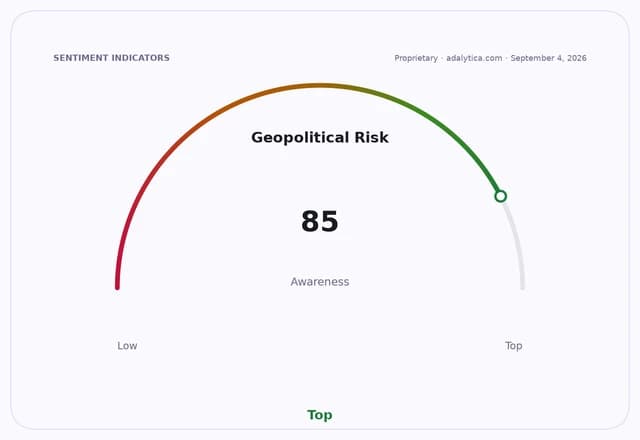
For energy investors, the ripple effect is straightforward. A tougher sanctions regime tends to support crude by constraining supply and increasing the premium for disruption, especially when tensions in the Middle East are already elevated. That helps explain why oil-focused funds such as USO have remained strong, with the fund recently trading near $142 and well above its 50-day and 200-day moving averages. The broader message is that sanctions are not just a diplomatic tool; they are a market force.
China’s pushback also fits the wider geopolitical pattern. Beijing wants to protect its companies and keep trade lanes open, while Washington is trying to choke off revenue flows that support Iran’s state apparatus. Those two goals are fundamentally at odds, and there is little sign of a quick compromise. As long as that remains true, investors should expect periodic shocks to energy, shipping and insurance markets.
For long-term investors, the lesson is not to chase every headline, but to respect the fact that sanctions-driven supply constraints can persist for years. That is why diversified energy exposure, along with broad market portfolios, still makes sense. The immediate winners are likely to be producers and shipping firms that benefit from tighter supply and higher freight risk, while the losers are firms exposed to Iran-linked trade and the customers who ultimately pay more for oil and transport.
| Entity | Gains | Losses |
|---|---|---|
| Oil producers | ▲Higher crude prices | ▼More pressure from sanctions risk |
| Shipping and tanker firms | ▲Tighter freight markets | ▼Compliance and routing costs |
| Chinese trade-linked firms | ▲Limited protection if sanctions eased | ▼Dollar access and counterparties |
| Energy consumers | ▲None | ▼Higher fuel and transport costs |