China and U.S. prepare for another round of talks
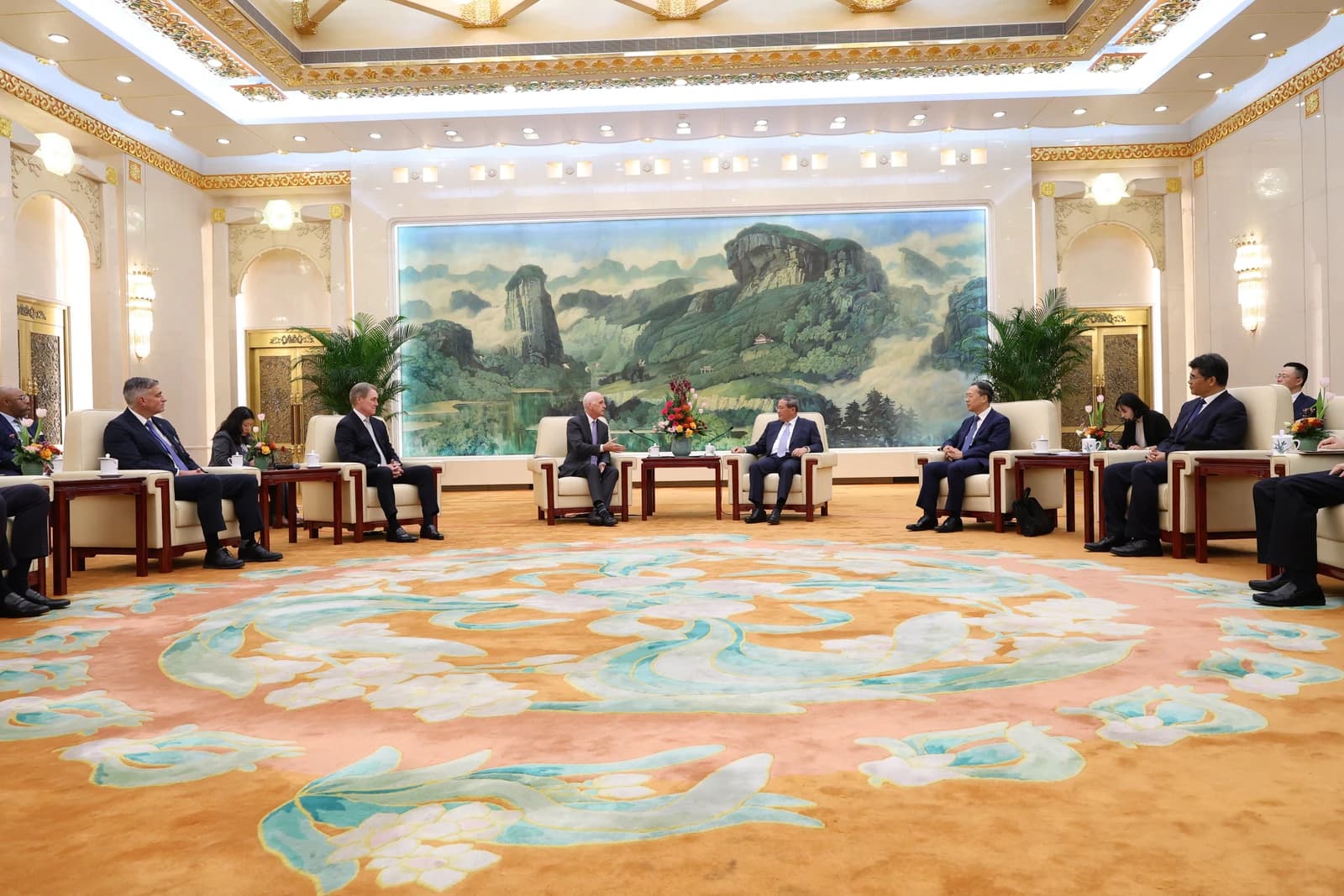
China and the United States are preparing for another round of high-level exchanges, a sign that both sides want to keep dialogue open even as sanctions, export controls and tariff risks continue to hang over trade, technology and energy markets.
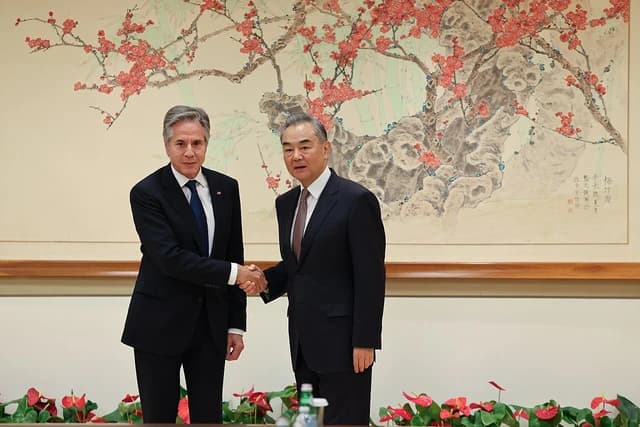
Chinese Foreign Minister Wang Yi said the two countries should approach the next stage of talks in a spirit of “equality, mutual respect and mutual benefit,” language that underscores Beijing’s preference for a managed thaw rather than a strategic reset. For investors, the wording matters because it suggests neither side is ready to concede on the core disputes that have disrupted supply chains, weighed on multinational earnings and driven episodic swings in Chinese assets.
That caution is visible in the market. The iShares China Large-Cap ETF, FXI, has slipped to 34.32 from 40.34 in January, while the iShares MSCI China ETF, MCHI, is down to 53.07 from 63.84 over the same period. Both funds remain below their 200-day moving averages, a conventional technical gauge that points to still-fragile sentiment toward Chinese equities despite periodic rebounds. The oil market has also stayed tense, with the USO fund still elevated at 153.82 even after retreating from recent highs, reflecting how geopolitics continues to feed into energy volatility.
The broader backdrop is one of selective engagement rather than détente. Washington has kept pressure on Beijing through export controls and broader scrutiny of trade ties, while China has pushed back against what it sees as coercive measures and third-party interference. Recent market and policy chatter has also centered on sanctions, Iran-related talks and maritime shipping disruptions, reinforcing the view that US-China relations are now a portfolio risk as much as a diplomatic one.
That is why the next round of exchanges matters economically. A limited easing in rhetoric could help stabilize risk appetite, reduce fears of fresh restrictions on semiconductors, consumer electronics and critical inputs, and support some relief in shipping and commodity prices. But if the meetings produce only familiar language and no progress on tariffs, technology access or sanctions, investors are likely to keep pricing in a stop-start relationship that favors volatility over rerating.
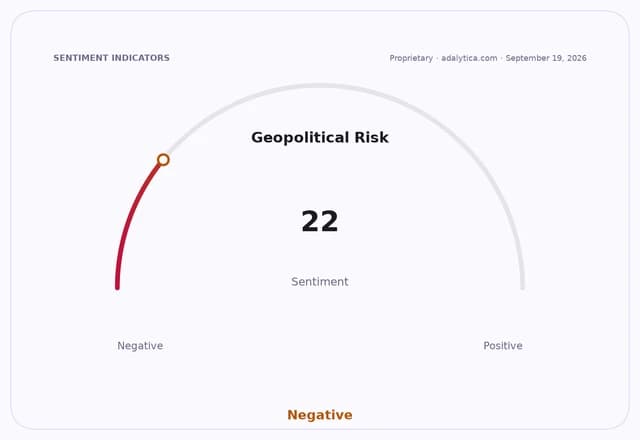
The latest readings from Adalytica’s US-China Relations Sentiment gauge show neutral conditions, with awareness elevated, suggesting markets are watching closely but not yet betting on a breakthrough. That leaves Chinese equities, US exporters and global industrials sensitive to any shift in tone, while companies exposed to cross-border technology restrictions — from chipmakers to device assemblers — remain vulnerable to policy surprises.
For now, the story is less about reconciliation than calibration: both governments appear willing to talk, but the economic stakes of failure remain high enough that every phrase in the diplomacy is being traded like a market signal.
| Entity | Gains | Losses |
|---|---|---|
| China | ▲Easier trade tone | ▼Policy concessions |
| United States | ▲Diplomatic leverage | ▼Tariff certainty |
| Chinese equities | ▲Relief rally potential | ▼Ongoing discount |
| Export-restricted firms | ▲Dialogue option value | ▼Status quo controls |