China visa clash pressures FXI and YINN
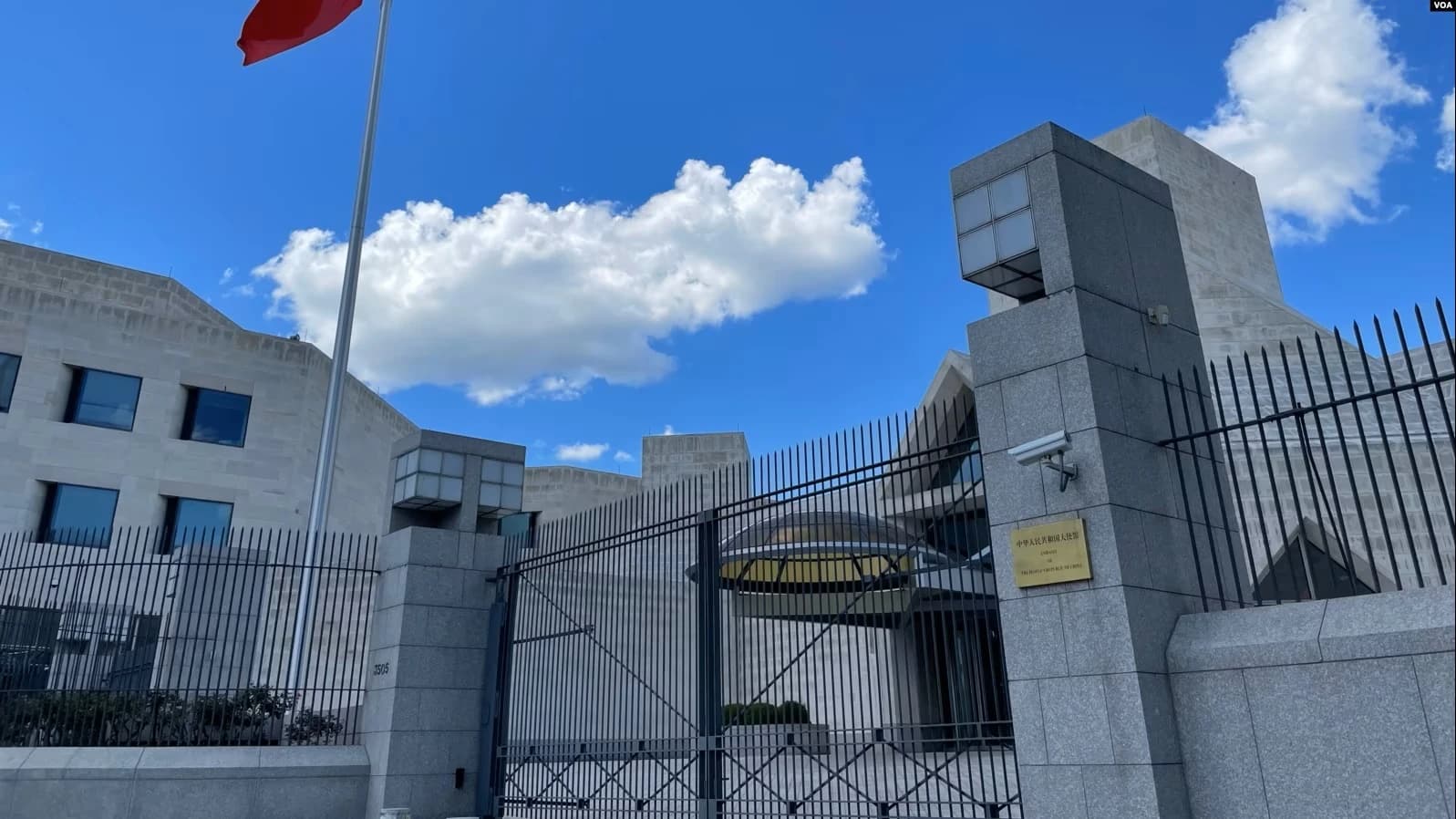
China’s latest clash with Washington over new U.S. visa restrictions for Communist Party members adds another layer of risk to already strained relations, reinforcing concerns that geopolitics could keep pressuring Chinese assets even as the trade dispute stays unresolved.
The move matters economically because visa curbs are a low-cost, high-signal tool in a broader U.S.-China standoff that can spill beyond diplomacy into trade, capital flows and corporate planning. Beijing has framed the policy as another example of Washington using China policy to raise friction, while U.S. measures of this type often feed fears of more restrictions on business travel, dealmaking and access for Chinese officials and their families.

For investors, the immediate read-through is not about one visa rule but about the premium attached to Chinese equities and leveraged China plays. The iShares China Large-Cap ETF, FXI, has been stuck below its 200-day moving average of 36.7 and last traded at 35.86, while the Direxion Daily FTSE China Bull 3X Shares, YINN, changed hands at 30.48, also below its 200-day line of 36.28. Both funds have recovered from earlier lows, but the technical backdrop shows the market still treating China exposure as vulnerable to policy shocks.
The tension lands at a time when China is already trying to steady ties with regional neighbors and push back against what it sees as U.S. pressure across Asia. New visa restrictions are unlikely to move the macro needle on their own, but they reinforce the idea that Washington and Beijing remain locked in a cycle of reciprocal signaling that can weigh on sentiment toward Chinese stocks, the yuan and cross-border investment.
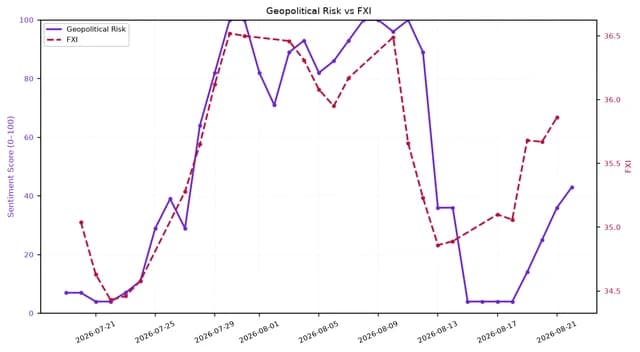
For traders, the key question is whether the latest dispute stays rhetorical or broadens into harder economic measures. Until there is clearer de-escalation, investors are likely to keep demanding a discount for China-linked assets and more volatility in ETFs such as FXI and leveraged products like YINN.
| Entity | Gains | Losses |
|---|---|---|
| U.S. policymakers | ▲tougher leverage in talks | ▼diplomatic goodwill |
| China’s leadership | ▲rallying point against Washington | ▼foreign business confidence |
| FXI investors | ▲tradeable volatility | ▼upside from de-risking |
| YINN holders | ▲short-term swings | ▼leverage in risk-off moves |