China Markets Under Xi's Mao Legacy
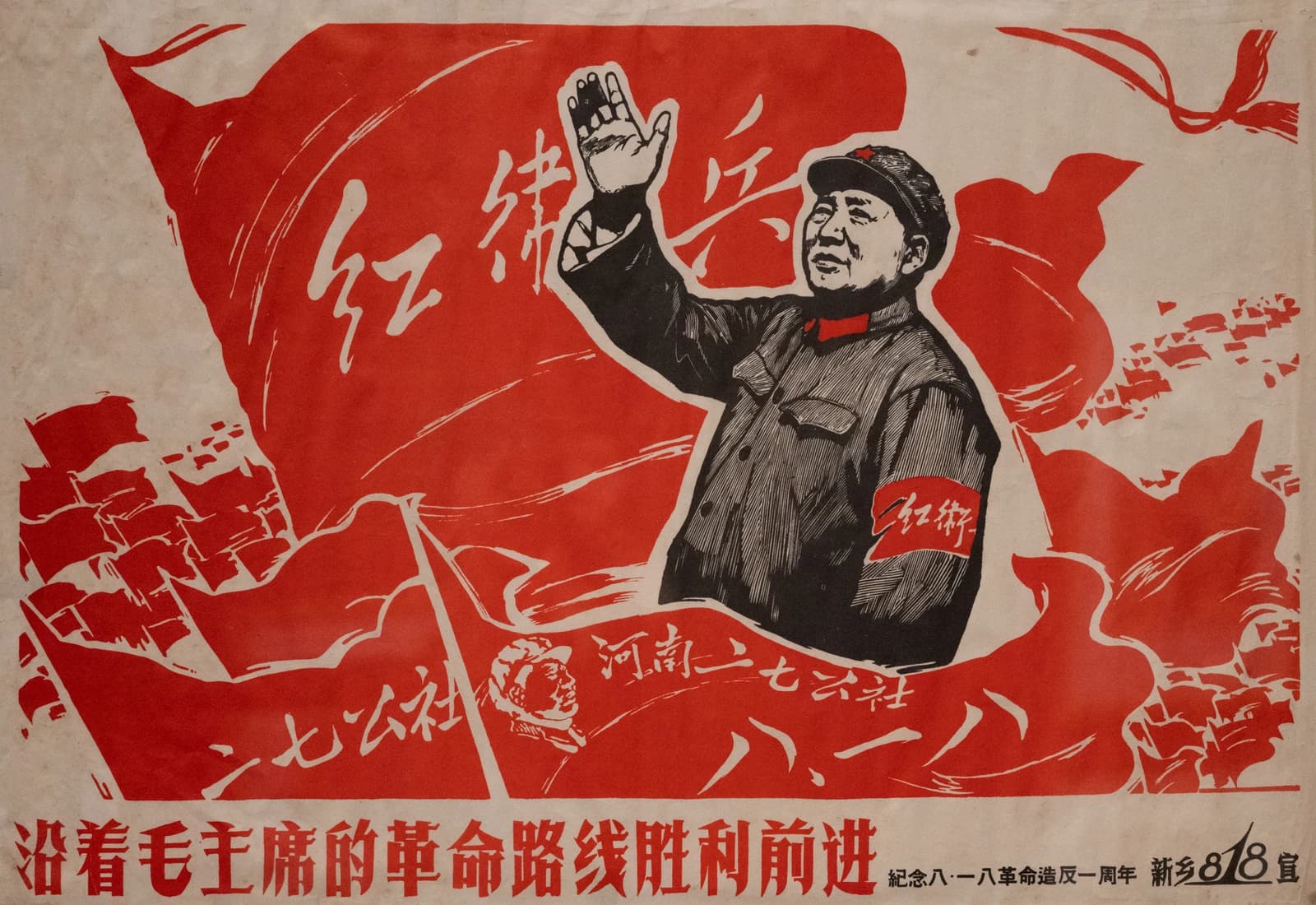
Fifty years after Mao Zedong’s death, China’s most important economic question is not whether Maoism has returned, but how much of Mao’s political logic still shapes a much richer, more complex state that now depends on markets, consumption and global trade.
That tension matters because it sits at the center of President Xi Jinping’s model: tighter party control over society and capital, paired with a broader push for self-reliance, domestic demand and “common prosperity.” For investors, the result is a China that is far less ideologically Maoist than it was under the Great Helmsman, but still deeply influenced by his preference for political discipline over liberalization.
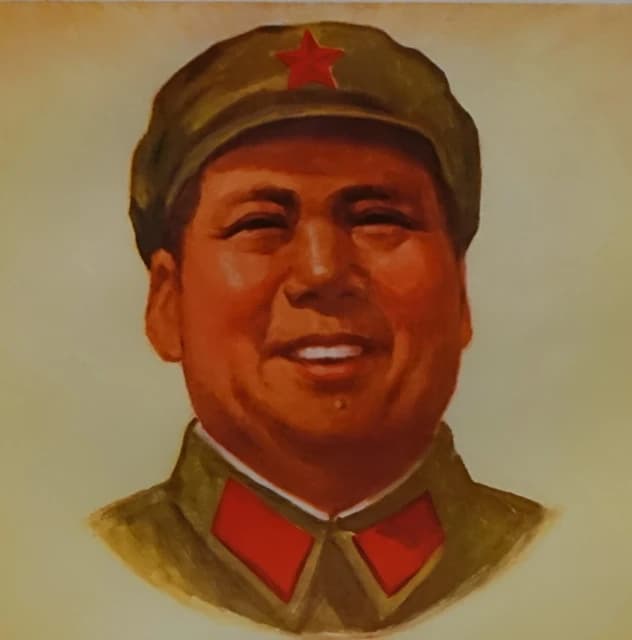
The contrast with 1976 is stark. Mao left behind a poor, fractured economy with a per-capita GDP closer to some of the world’s lowest-income countries. Today, China’s GDP is about $21 trillion and its per-capita income is roughly $14,870, according to the figures cited in the source material, while military spending has climbed to about $277 billion. That transformation was driven not by Mao’s economic model, which culminated in the Great Leap Forward famine and the Cultural Revolution, but by the market reforms that followed under Deng Xiaoping.
Yet Mao remains a live reference point in Beijing because the party still draws legitimacy from the revolution he led. Xi has repeatedly borrowed Mao-era language and symbolism, from invoking the Long March as a metaphor for strategic endurance to stressing moral culture and public duty over individualism. The official push for “common prosperity” also echoes Maoist egalitarianism, even if in practice it is being used to restrain excesses without reversing the broader capitalist framework that powered China’s rise.
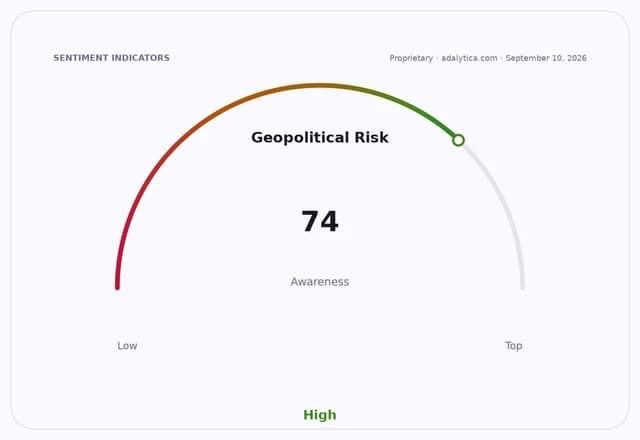
That duality is what matters to markets. On one hand, China’s leadership has shown it can still support growth, particularly when it prioritizes industrial policy, technology and domestic demand. On the other, the same political instincts that animated Mao — centralization, campaigns against perceived enemies and suspicion of unfettered private power — can unsettle investors, weaken confidence and distort capital allocation. The recent purges of senior military officials underscore how the party still uses discipline as a governing tool.
The exchange-traded funds tracking Chinese equities reflect that ambiguity. FXI, a broad China benchmark, has been sliding and recently traded below both its 50-day and 200-day moving averages, with its RSI sinking to 34.1, a conventional technical signal of weakening momentum. KWEB, which tracks Chinese internet stocks, has fared worse, while YINN, the leveraged bull product on China, has fallen sharply from earlier peaks. The price action suggests that investors remain cautious about the durability of the policy mix and the extent to which political control may continue to limit valuations.
Still, the bull case is not that Mao is back. It is that Xi is using Mao’s political toolkit to preserve a system that is now fundamentally post-Mao in economic structure. China is no longer trying to live on ideology alone; it is trying to balance growth, social stability and geopolitical resilience in an era of U.S. rivalry. That makes Mao’s legacy economically relevant not as a blueprint, but as a constraint.
For investors, the key question is whether Xi’s version of party discipline can coexist with the market confidence needed to support earnings, consumption and asset prices. If it can, China’s domestic story could stabilize. If it cannot, the legacy of Mao will continue to matter less as history than as a recurring risk premium.
| Entity | Gains | Losses |
|---|---|---|
| Xi’s leadership | ▲Political control | ▼Policy flexibility |
| Chinese state firms | ▲Policy support | ▼Private-sector dynamism |
| Investors in China equities | ▲Re-rating if stability returns | ▼Valuation discount if controls tighten |
| Maoist nostalgia | ▲Ideological resonance | ▼Market-oriented reformers |