China launches Yaogan-53 and Yaogan-56 satellites
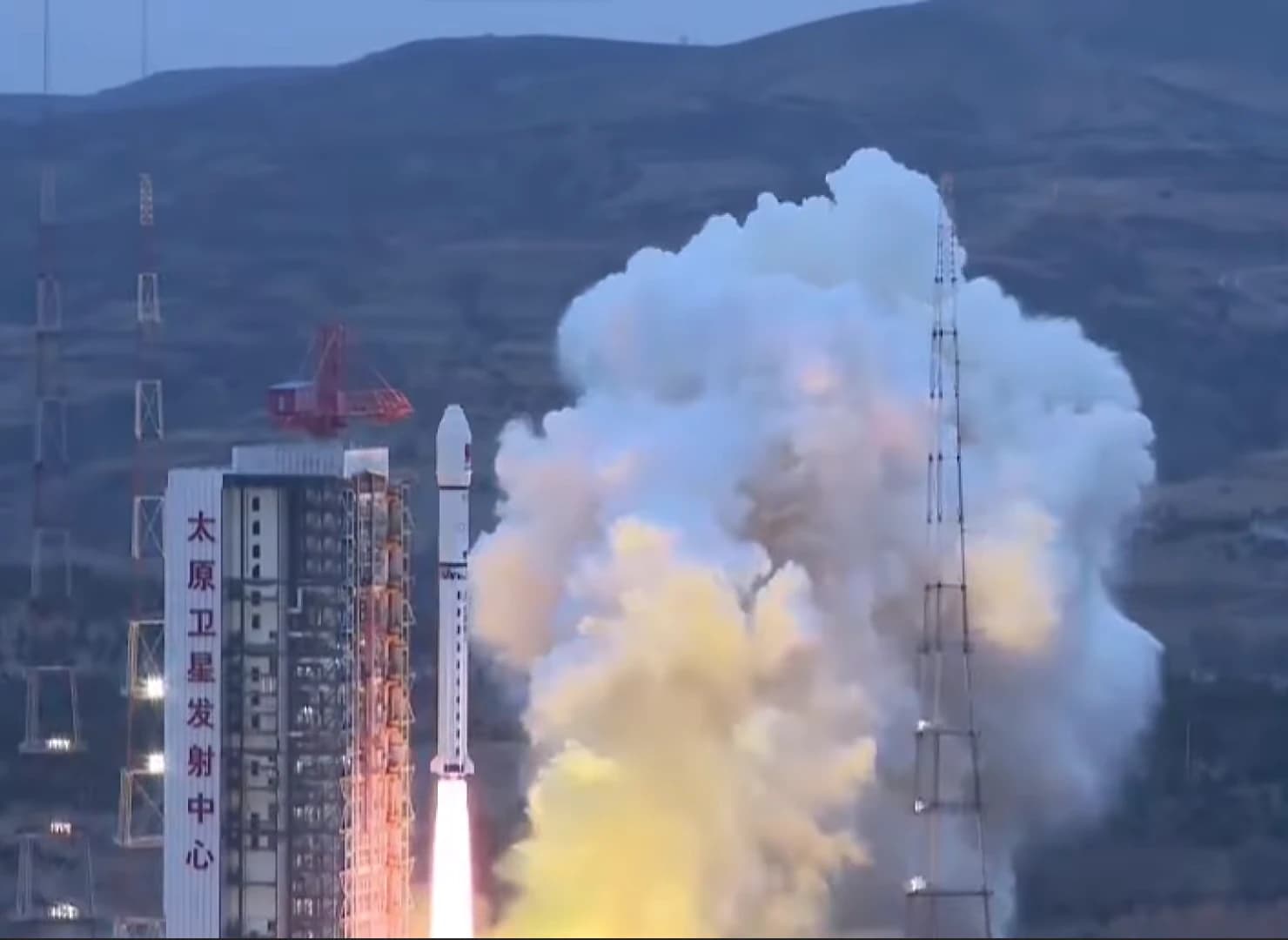
China launched two new groups of remote sensing satellites, adding to a network that underpins civilian mapping and crop monitoring while also reinforcing the country’s strategic space and reconnaissance capabilities.
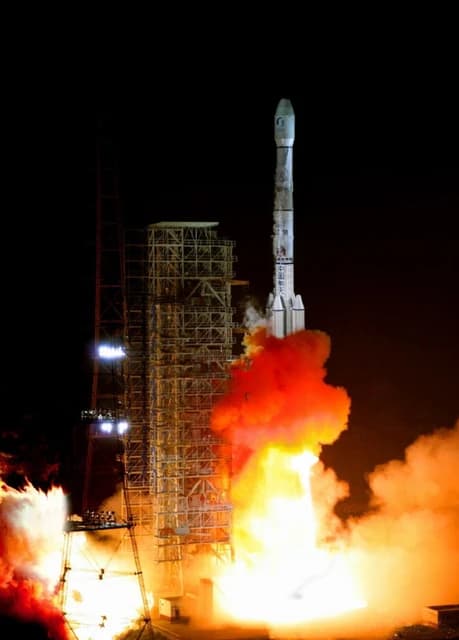
The Yaogan-53 and Yaogan-56 groups were lofted from the Jiuquan Satellite Launch Center aboard a Long March-4B rocket and reached their preset orbits successfully, state media said. The launch was the 666th mission of China’s Long March rocket family, underscoring the steady cadence of Beijing’s launch program and its effort to keep expanding orbital infrastructure across commercial, scientific and security uses.
Officially, the satellites are for scientific experiments, land and resources surveys, crop yield estimation and disaster prevention and reduction. Economically, that matters because better remote sensing improves agriculture planning, resource management and emergency response in a country where food security and land use remain political priorities. Investors also read such launches as evidence that China’s space-industrial base continues to mature, supporting demand across launch services, satellite manufacturing, ground systems and associated electronics supply chains.
The deeper market significance is geopolitical. The Yaogan series has long been associated with China’s broader Earth-observation and dual-use space architecture, and each successful launch expands the country’s ability to collect persistent imagery and environmental data. That can improve decision-making for civil agencies, but it also strengthens Beijing’s intelligence, surveillance and reconnaissance reach at a time of elevated U.S.-China tensions.
The launch comes against a backdrop of an already dense space competition, with Washington and Beijing both investing heavily in satellites, launch systems and counter-space resilience. Adalytica’s US–China relations sentiment gauge remains at “Extreme Greed” for the theme, but awareness is at “Extreme Fear,” a combination that suggests the market is highly attuned to the rivalry even if day-to-day trading has yet to fully price every new development.
For investors, the immediate takeaway is less about a single mission than about trajectory: China continues to normalize frequent launches and to broaden the civilian and strategic utility of its space program. That favors the country’s launch ecosystem and defense-adjacent aerospace contractors over time, while keeping U.S. and allied rivals under pressure to accelerate their own satellite constellations, launch cadence and space-defense spending.
| Entity | Gains | Losses |
|---|---|---|
| China space program | ▲Broader orbital capability | ▼Launch rivals’ relative lead |
| Chinese agriculture and civil agencies | ▲Better earth-observation data | ▼Less data asymmetry |
| China aerospace suppliers | ▲More launch demand | ▼Capacity constraints |
| U.S. and allied space rivals | ▲Higher urgency to invest | ▼Strategic surveillance gap |