China yuan internationalization and dollar settlement
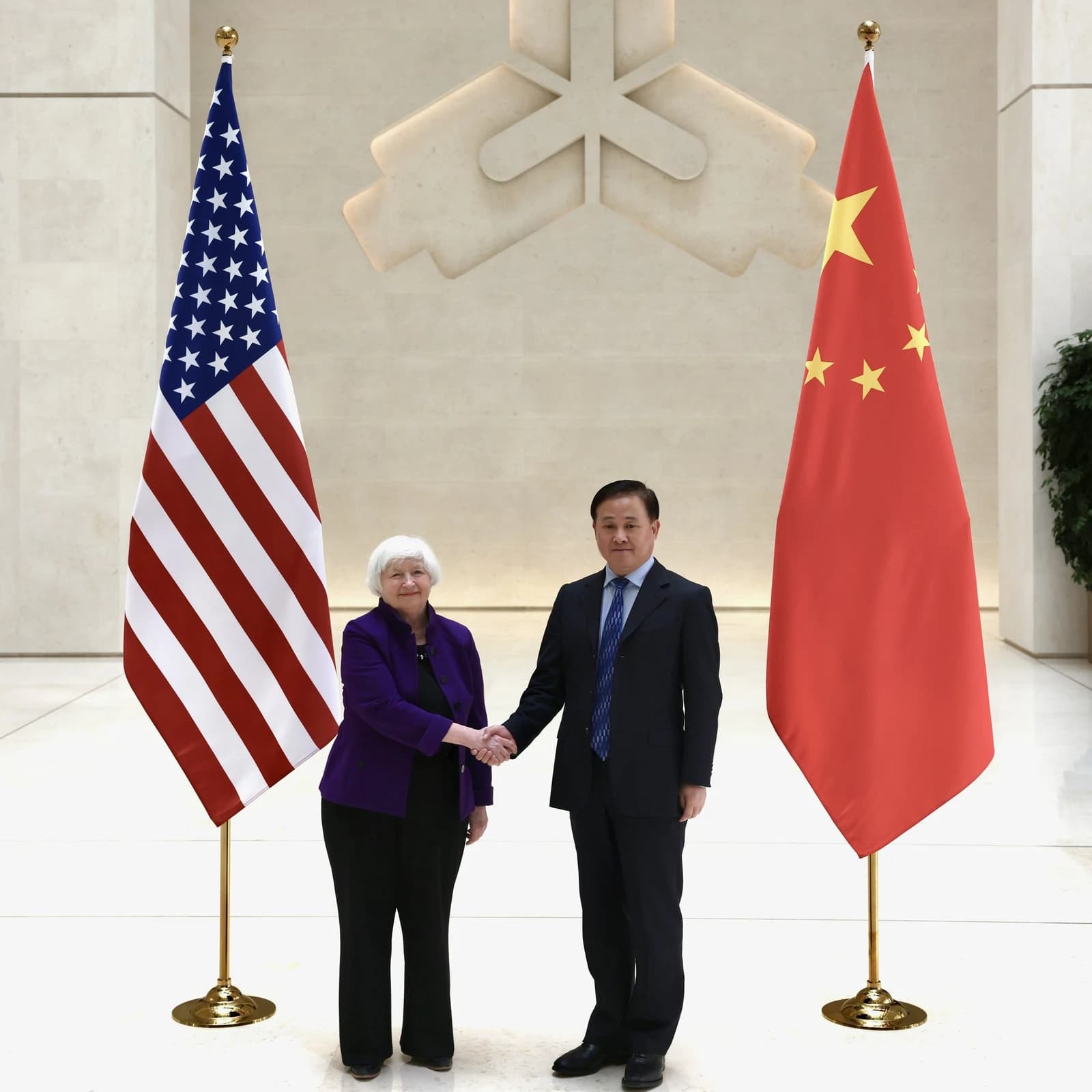
China is pushing harder to make the yuan a more common currency for trade and financing abroad, a move that matters because it can slowly chip away at the dollar’s dominance in cross-border settlement, reduce China’s exposure to U.S. monetary policy and deepen the country’s financial influence.
The shift is most meaningful as a macro and market story, not a headline-grabbing policy announcement. Greater offshore yuan usage can lower transaction costs for Chinese exporters and importers, encourage foreign counterparties to hold yuan balances and expand demand for yuan assets. For investors, that has implications for currency volatility, FX carry positioning and the long-term relative appeal of dollar-linked assets.
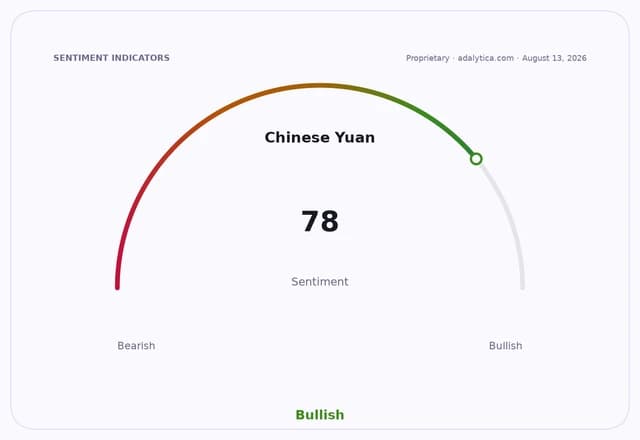
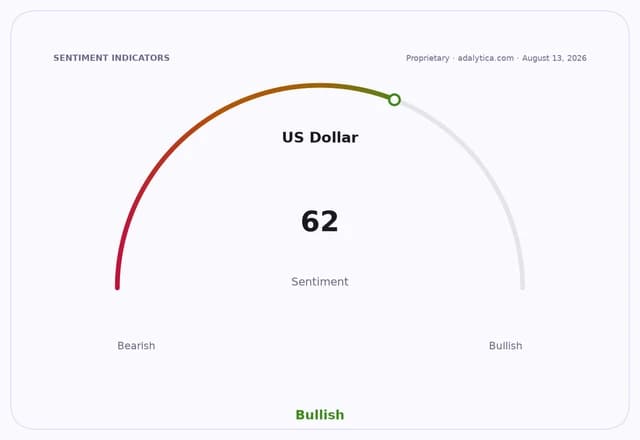
Market signals are aligned with that narrative. Adalytica’s Chinese yuan trade signals show sentiment at 78 and awareness at 80, both in “Greed” territory, with the 7-day change up 29 points and the 30-day gain at 19 points. That suggests rising interest in yuan exposure even as the broader dollar backdrop has softened only modestly; Adalytica’s U.S. dollar signals show sentiment at 62, down 6 points on the day and 36 points over seven days, indicating some cooling in demand for the greenback.
The price action in yen-related FX products also shows how investors are weighing shifting currency leadership. The FXY ETF, which tracks the yen against the dollar, closed at 57.52 on Aug. 12, still below its 200-day moving average of 58.19 and only slightly above its 50-day average of 56.98. The moving-average setup, along with a positive MACD and an RSI of 67.7, points to near-term momentum but not a decisive trend break. That matters because a stronger yuan international role typically comes at the margin of other reserve and settlement currencies, including the dollar and yen.
The economic logic is straightforward. China wants more of its trade invoiced and settled in yuan so that firms outside the country are less dependent on dollars, especially when U.S. rates are high or when Washington is willing to use sanctions and financial controls aggressively. A broader yuan footprint also supports Beijing’s longer-term effort to build financial infrastructure around Chinese banks, payment systems and bond markets.
For investors, the bull case is that a larger offshore yuan pool could eventually support demand for Chinese sovereign and policy-bank debt, improve liquidity in yuan funding markets and make China’s currency less vulnerable to abrupt capital outflows. The bear case is that international use of a currency depends on trust, convertibility and deep, open capital markets — areas where China still trails the U.S. by a wide margin. That limits how fast the yuan can move from a trade currency into a true reserve competitor.
The near-term takeaway is that yuan internationalization is advancing incrementally rather than through a single regime shift. But even incremental change matters in FX markets, where positioning can build quickly around policy, trade and funding flows. If China keeps expanding yuan settlement abroad while the dollar’s relative appeal eases, investors may need to reassess which currencies dominate trade finance, carry strategies and reserve allocation over the next cycle.
| Entity | Gains | Losses |
|---|---|---|
| China | ▲Greater financial influence | ▼Slower dollar dependence |
| Chinese exporters/importers | ▲Lower FX friction | ▼Less pricing in dollars |
| Offshore yuan holders | ▲More funding options | ▼More policy uncertainty |
| U.S. dollar | ▲Still dominant, but faces pressure | ▼Marginal reserve share risk |