Chinese appliance brands enter South Korea market
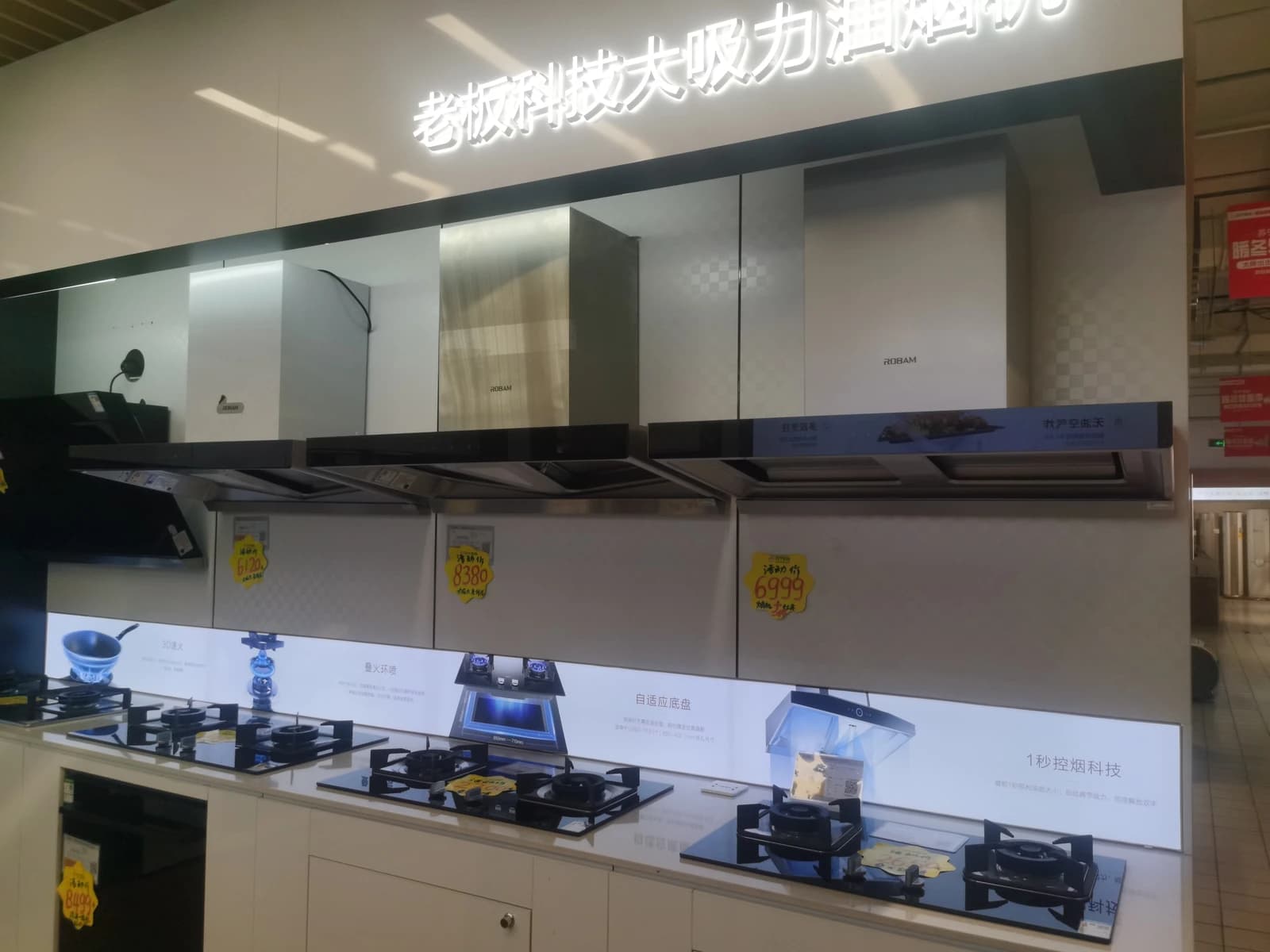
Chinese home appliance brands are moving deeper into South Korea’s consumer market, a shift that could pressure the long-dominant local champions and force a fresh round of competition on price, features and smart-home integration.
That matters because home appliances are no longer just low-growth white goods. They are becoming part of the broader battle over connected homes, energy management and premium consumer electronics — areas where scale, software and supply-chain discipline can decide margins. If Chinese makers win share in Korean households, the impact will not stop at refrigerators and washers. It will ripple into retail pricing, replacement cycles, after-sales service and the economics of the region’s appliance leaders.
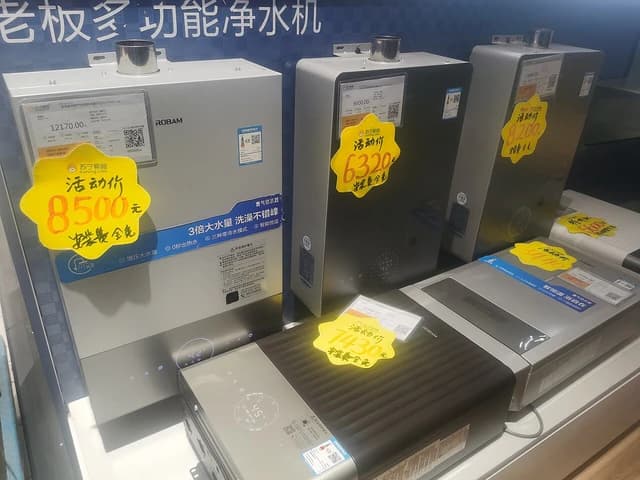
The timing is especially important for Samsung Electronics and LG Electronics, whose shares have shown the market is still willing to pay for growth in higher-value hardware and smart-device ecosystems. Samsung’s stock has recently traded around 269,500 won, well above its 50-day moving average of 260,570 won, while LG Electronics was last at 206,500 won, also above its 50-day average of 188,632 won. Both names remain above their 200-day averages, but the setup is no longer about easy momentum. It is about defending market share in a more crowded field.
For investors, the real story is that Chinese appliance makers are following the same playbook they used in smartphones, EVs and batteries: enter on price, improve fast, then use scale to move upmarket. In South Korea, where consumers are highly informed and highly connected, the opportunity is even bigger because smart appliances can be bundled with energy-saving software, app ecosystems and utility incentives. Samsung and KEPCO’s two-month cashback pilot for using appliances during periods of high renewable output shows how quickly the category is becoming tied to power management and data-driven home behavior.
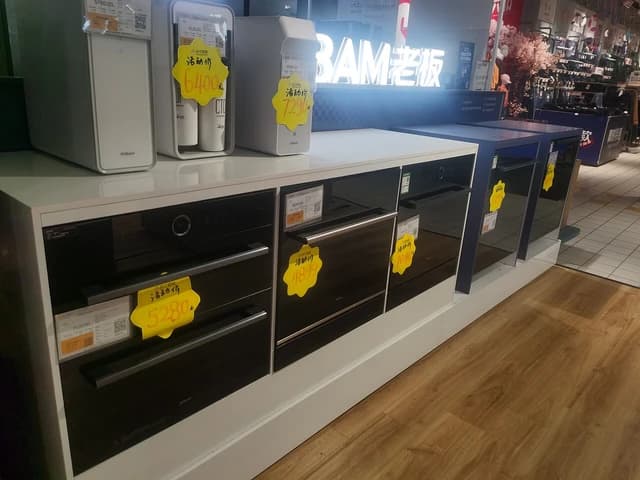
That creates a mixed picture for the sector. A stronger appliance market and more smart-home adoption can lift volumes, but they may not protect margins if Chinese competitors keep undercutting established brands. The market underestimates how quickly a product category can shift once consumers decide that reliability and connectivity are “good enough” and price becomes the differentiator again.
My thesis is that this is less a one-off trade story than the next front in Asia’s consumer-tech rivalry. Chinese appliance makers are targeting a market that values design, efficiency and smart features — exactly the kind of niche where scale manufacturers can gain traction quickly. If they keep expanding in Korea, the winners are likely to be the companies that control software, platforms and services, not just metal, motors and compressors.
Investors should watch for three follow-through catalysts: heavier promotional spending from Korean incumbents, faster rollouts of AI-enabled and energy-linked appliance features, and any evidence that Chinese brands are improving their distribution and service networks. If those trends accelerate, the best positioned names will be the ones with ecosystem power and operating leverage. The weakest will be the pure hardware sellers exposed to a race to the bottom.
| Entity | Gains | Losses |
|---|---|---|
| Chinese appliance makers | ▲Korea share gains | ▼Lower margins from price cuts |
| Samsung Electronics | ▲Smart-home ecosystem upside | ▼More appliance competition |
| LG Electronics | ▲Premium feature demand | ▼Share pressure in core appliances |
| Korean consumers | ▲Lower prices, more choice | ▼Brand fragmentation, service risks |