Coal Prices Fall as Oil Weakens and Supply Eases
Coal prices are sliding again, and that matters because the fuel’s latest pullback could quickly reshape margins for miners, utilities and power buyers across Asia.
Benchmark thermal coal settled at $146.1 a ton on Wednesday, down 0.2% and lower for a second straight session as oil retreated and supply concerns eased. For investors, the move is less about one day’s percentage change and more about the direction of travel: coal is giving back some of the gains tied to geopolitical energy anxiety, even as global demand remains elevated.
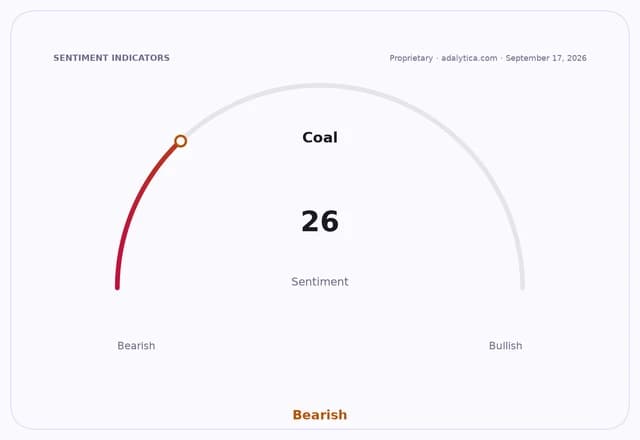
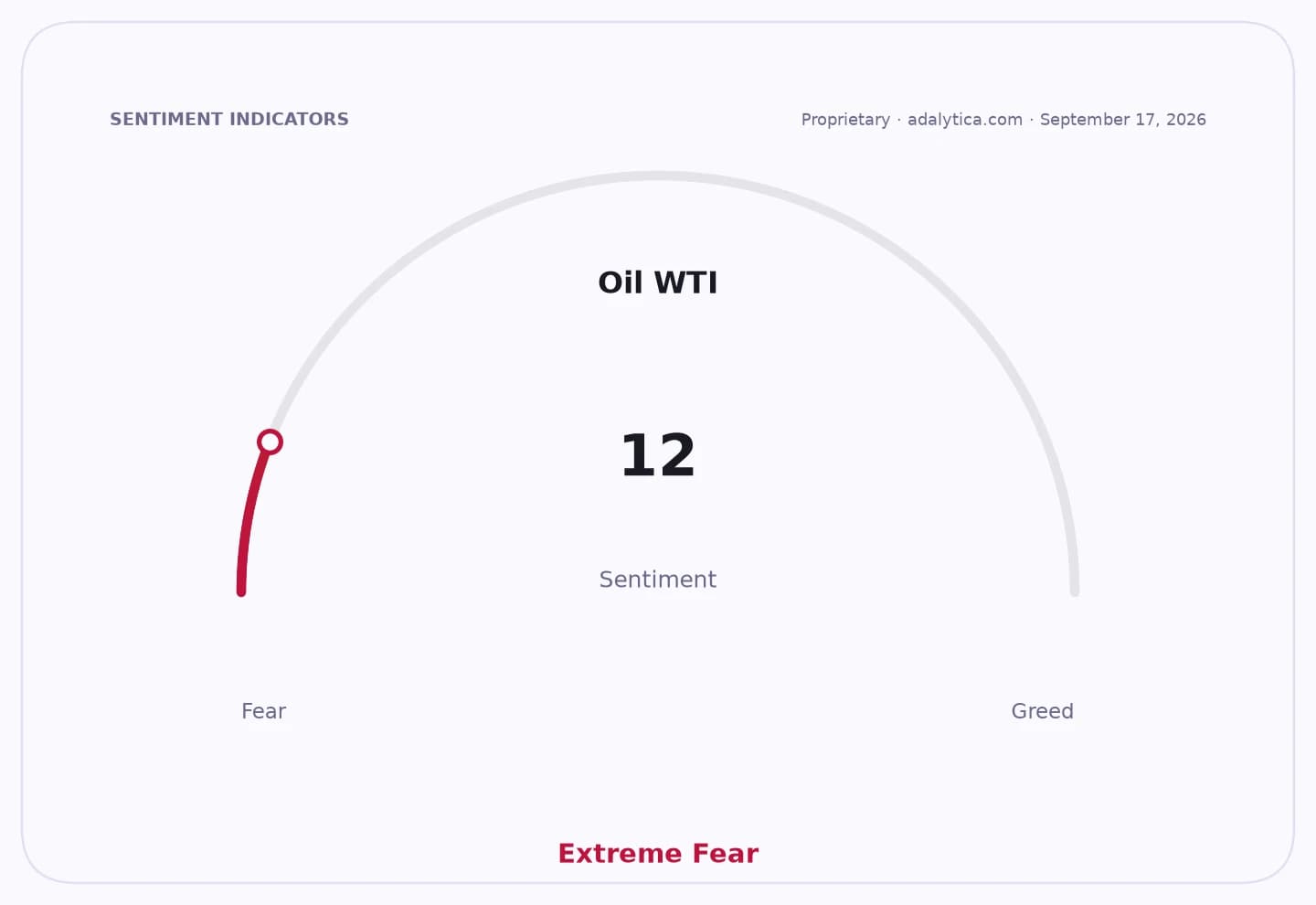
That makes this a classic commodity reset. Oil and coal are still competing fuels in many markets, so when crude drops, coal often loses some of the urgency that had been supporting prices. Brent and WTI weakness reduces the risk premium embedded in coal, while signs that North Asian thermal coal supply is stabilizing take another leg out of the rally. Buyers in China are restocking before holidays, and mine-mouth prices there have firmed a bit, but weekly declines in several regions show the recovery is fragile rather than decisive.
The bigger economic message is that energy markets are still searching for a balance between geopolitics and fundamentals. The International Energy Agency has said global coal demand is headed for a record in 2026, helped by disruptions in oil supply and conflict in the Middle East. That backdrop should keep coal relevant for longer than many investors once expected. But it does not guarantee higher prices for producers. If oil keeps easing and supply keeps normalizing, coal’s upside can fade even in a world of strong demand.
That is where the investor takeaway gets interesting. Higher-volume coal names can still benefit from structurally tight energy systems, but their earnings are highly sensitive to even modest price changes. A few dollars per ton can make a meaningful difference to cash flow, dividends and buyback capacity. For traders, that means volatility. For long-term investors, it means discipline: the best coal stocks are the ones with low costs, strong balance sheets and enough scale to survive down cycles, not just ride commodity spikes.
India’s latest comments also reinforce the same message. Officials said there is adequate coal supply to independent power plants in Punjab, pushing back against reports of a worsening power crunch. Coal India says it remains committed to uninterrupted supply across the country. That suggests the market’s near-term worry is not a broad shortage, but rather a softer price environment where supply is adequate and demand from power generators is not adding much extra heat.
For now, coal looks less like a runaway trade and more like a cyclical market catching its breath. That may disappoint momentum buyers, but it can create opportunity for patient investors who are focused on free cash flow and capital returns rather than the next headline. Coal remains a volatile but still essential part of the global energy mix, and the smart move is to watch the better operators closely, not chase every spike.
| Entity | Gains | Losses |
|---|---|---|
| Power plants and utilities | ▲Lower fuel costs | ▼Less leverage to tight supply |
| Coal buyers in China and India | ▲Better bargaining power | ▼Less urgency to stockpile |
| Coal miners and exporters | ▲Stable demand backdrop | ▼Softer pricing and margins |
| Oil producers | ▲Relative fuel substitution support | ▼Some demand spillover to coal fades |