Cochabamba slowdown signals weaker Bolivia demand
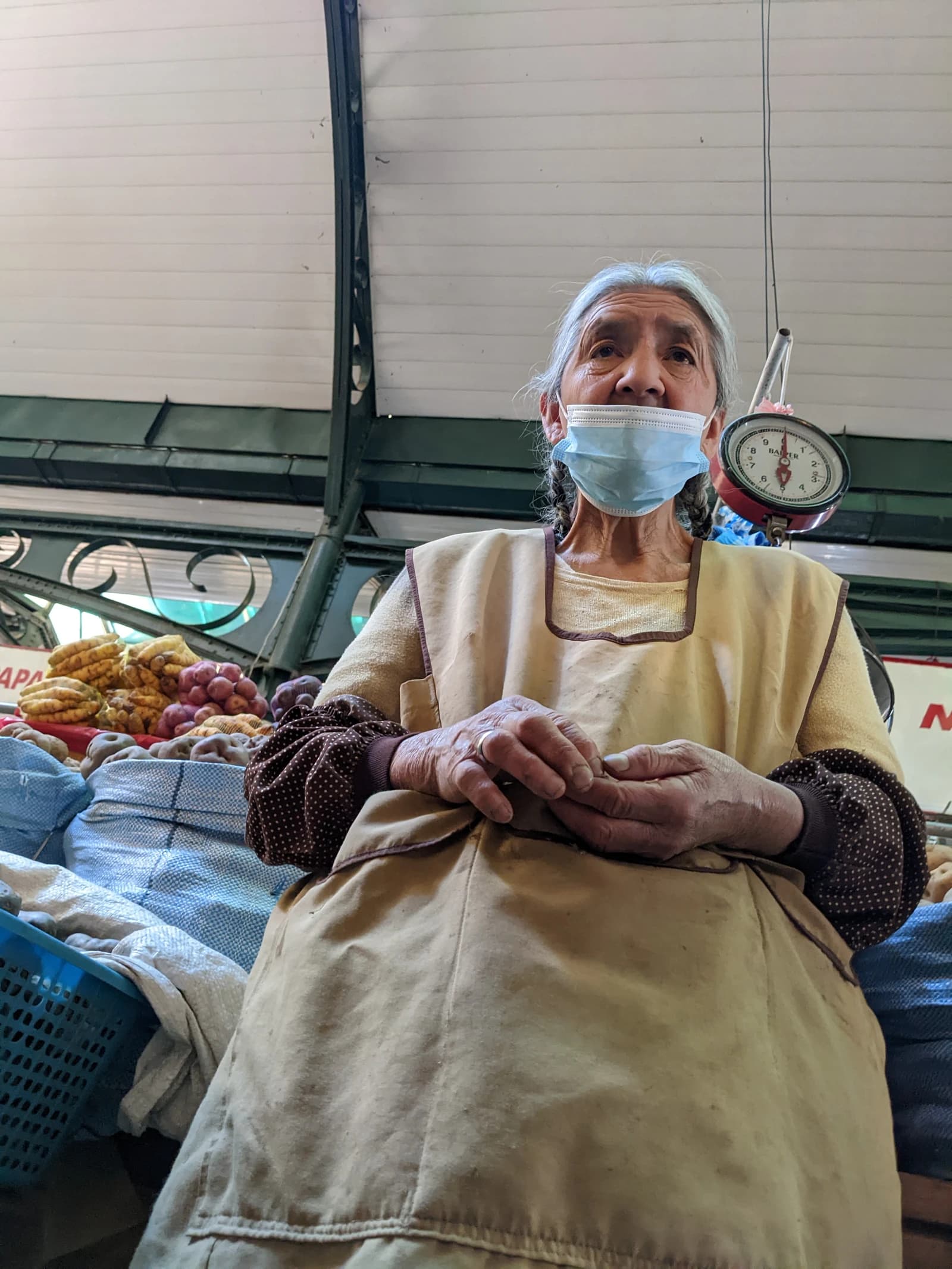
Cochabamba’s economy is projected to shrink 4.15% in 2026 while only 14.57% of workers hold formal jobs, underscoring a local slowdown that threatens household income, tax collection and consumer demand in one of Bolivia’s key regional economies.
The combination is economically important because it points to a province relying overwhelmingly on informal employment just as output contracts. That leaves fewer workers with stable wages, social security coverage and access to credit, while forcing more businesses and households to operate outside the formal system that governments depend on for revenue and economic visibility.
The numbers also suggest the downturn will be felt well beyond Cochabamba. Weak formalization typically limits productivity gains, depresses long-term investment and makes it harder for authorities to cushion shocks through targeted fiscal policy. For investors with exposure to Bolivia through banks, retailers, consumer brands or infrastructure plays, the risk is a thinner credit market and weaker spending power in a region that feeds national demand.
The outlook comes as Bolivia seeks outside support to stabilize its energy sector, including talks with Brazil’s Petrobras and efforts to restructure state-owned YPFB. Those moves highlight how dependent the broader economy has become on fresh capital and energy-sector recovery while domestic growth remains fragile.
Market signals around Latin America remain mixed. Shares of MercadoLibre and BBVA have held firm on the latest trading data, but conventional technical indicators such as the 50-day moving average and RSI show stretched moves in some names, while Adalytica’s S&P 500 trade-signal snapshot points to neutral sentiment and elevated fear readings in broader markets. That kind of backdrop matters for Bolivia because weaker risk appetite can make funding, trade and investment flows harder to secure.
For investors, the key question is whether policy makers can translate regional energy talks and support from Brazil into actual investment and jobs before the 2026 contraction bites deeper. If not, Cochabamba’s low formal employment rate could become a sign of a broader, slower-moving deterioration in Bolivia’s growth capacity.
| Entity | Gains | Losses |
|---|---|---|
| Informal workers | ▲Short-term flexibility | ▼No job security |
| Formal employers | ▲Lower labor cost base | ▼Weaker demand |
| Bolivia’s government | ▲Incentive to pursue reform | ▼Tax revenue and social contributions |
| Local consumers | ▲None | ▼Falling income and credit access |