Coffee futures rise on Vietnam robusta supply shock
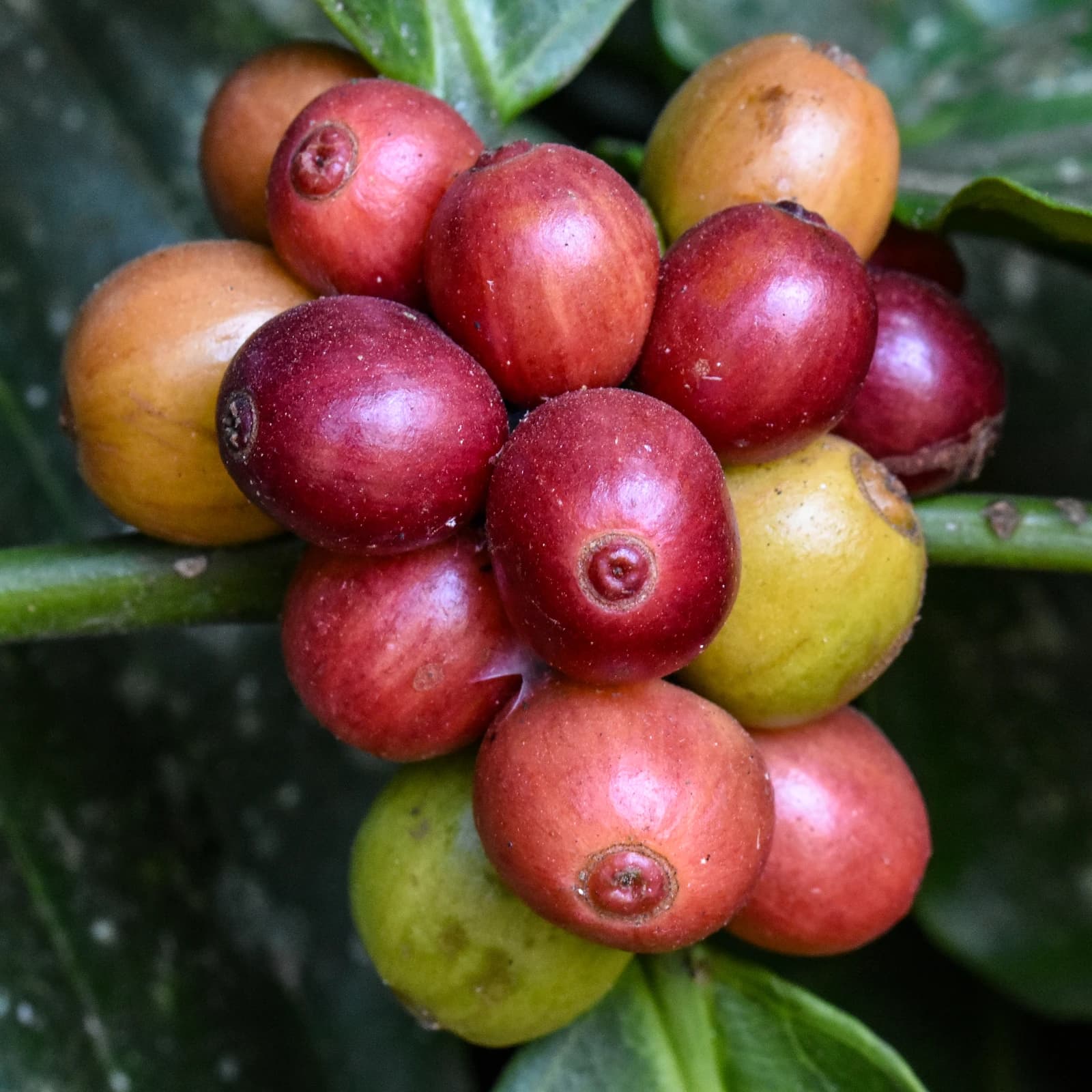
Coffee futures are being driven higher by a fresh supply shock in robusta, and that matters because the market is once again pricing weather risk into an already fragile global supply chain.
The biggest move is in robusta, where prices surged to 82 USD/ton about an hour ago in the latest data, extending a volatile run that has kept roasters, traders and exporters on edge. The rally is being reinforced by heavy rains in Vietnam’s Central Highlands, the world’s key robusta-growing region, where domestic prices have also risen as buyers scramble for beans. Vietnam’s farmgate coffee prices climbed 300 to 500 dong a kilogram on Sept. 14 to 94,700-95,300 dong, underscoring that the pressure is not just speculative but physical.

That matters economically because robusta is the lower-cost coffee used widely in instant coffee, blends and private-label products. When robusta spikes, it lifts input costs across a broad slice of global beverage demand and squeezes margins for buyers that cannot quickly substitute away. Arabica is under some pressure from ample Brazilian supply, but that does little to offset a robusta shortage when roasters need beans now and inventories are already tight.
For investors, the implication is that coffee inflation is not over — it is changing shape. Companies with pricing power and diversified sourcing are better positioned than firms that rely heavily on fixed-price contracts or premium green coffee supply. Keurig Dr Pepper has already flagged that volatility in green coffee can disrupt procurement, while J.M. Smucker and other packaged-food names remain exposed to higher coffee costs if robusta strength feeds through to wholesale contracts. The wider beneficiary set includes trading houses, logistics providers and producers with inventory to sell into a rising market, while roasters and beverage makers face another round of margin pressure.
The narrative here is simple: weather is once again dictating the coffee trade, and the market is underestimating how quickly a robusta squeeze can flow through the system. If Vietnam’s rains persist and export availability stays tight, robusta can keep dictating pricing into the next buying cycle. For investors, that argues for leaning into upstream coffee exposure and away from downstream names that still have not fully passed through last year’s commodity shock.
| Entity | Gains | Losses |
|---|---|---|
| Vietnam coffee growers | ▲Higher farmgate prices | ▼Weather-related crop risk |
| Coffee exporters/traders | ▲Wider volatility opportunities | ▼Supply uncertainty |
| Roasters and beverage makers | ▲None | ▼Higher input costs |
| Packaged food names | ▲Pricing power, if any | ▼Margin pressure |