Coffee Prices Rise in Bukit Biru and Vietnam
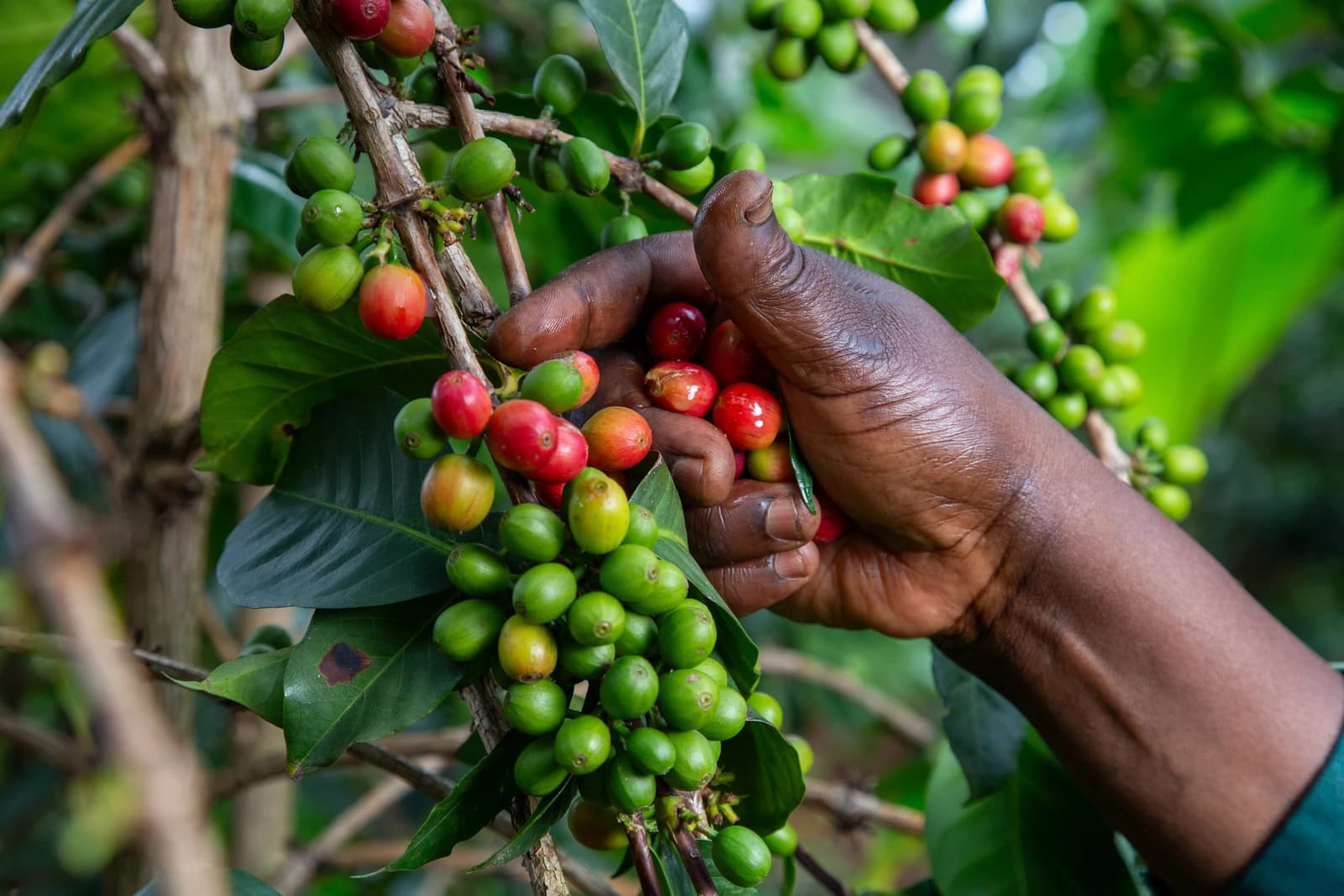
Coffee growers in Bukit Biru, Kukar are entering harvest season with a problem many investors would normally welcome: prices are rising, but not evenly, and the squeeze in local supply is making the market harder to navigate for farmers, traders and logistics providers alike.
That matters because coffee is not just a farm-gate story in Indonesia and Vietnam’s supply conditions often ripple through regional trade, freight flows and pricing power for exporters. When domestic prices rise while global Robusta prices soften, it usually means buyers are competing for scarce beans at home even as international markets remain under pressure. In other words, local scarcity can temporarily override the broader commodity trend.
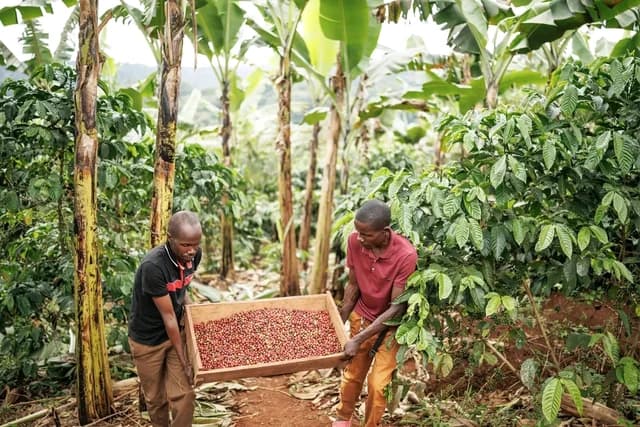
Recent reports show coffee prices in Vietnam approaching 100,000 dong a kilogram, supported by gains of 1,500 to 1,800 dong in key producing areas ahead of the new harvest. That is a meaningful move for farmers who still have beans to sell, but it also underscores how tight supply has become. The divergence from weaker world prices suggests growers in places like Bukit Biru may have better pricing leverage in local markets, even if export channels remain exposed to softer overseas benchmarks.
For investors, the key takeaway is that agricultural supply constraints can create winners and losers well beyond the farm gate. Farmers and local intermediaries may benefit from firmer domestic pricing, while exporters and logistics operators can face more volatile volumes and narrower margins if supply remains inconsistent. Companies tied to freight and routing, including listed logistics names, tend to do better when trade flows are stable and predictable; they can struggle when harvest timing, product availability and pricing diverge sharply across markets.
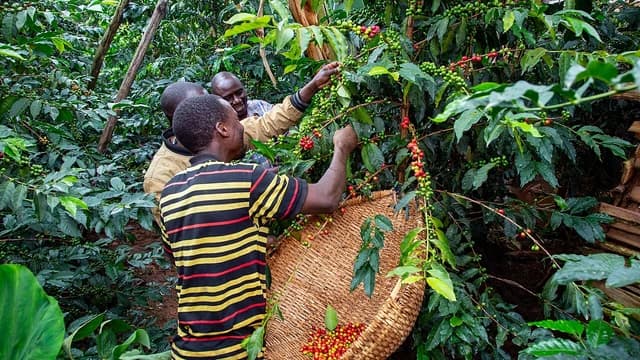
Selkop’s opening of an industrial route fits that same logistics theme. Any new route that improves access between growing areas, warehouses and export corridors can help reduce bottlenecks, support faster movement of goods and lower transport friction. For coffee regions, that can matter almost as much as the price itself. Better industrial access can improve farmers’ bargaining position, reduce spoilage risk and make it easier for traders to aggregate supply.
The broader lesson for long-term investors is simple: commodity businesses rarely move in a straight line, and the real opportunity often lies in the infrastructure around the crop rather than the crop alone. If domestic prices stay firm while harvest pressure eases and routes improve, the winners may be the producers and service providers that can move coffee efficiently, not just the farmers waiting for a better spot price. For now, this is a story worth watching, not chasing.
| Entity | Gains | Losses |
|---|---|---|
| Bukit Biru farmers | ▲Higher local selling prices | ▼Harvest-time margin pressure |
| Local traders/exporters | ▲Better access from new route | ▼Tougher sourcing in tight supply |
| Selkop/logistics providers | ▲More traffic and route demand | ▼Execution risk if volumes stay uneven |
| Buyers/roasters | ▲Supply continuity if logistics improve | ▼Higher procurement costs |