Coffee prices rise on scarce certified inventories
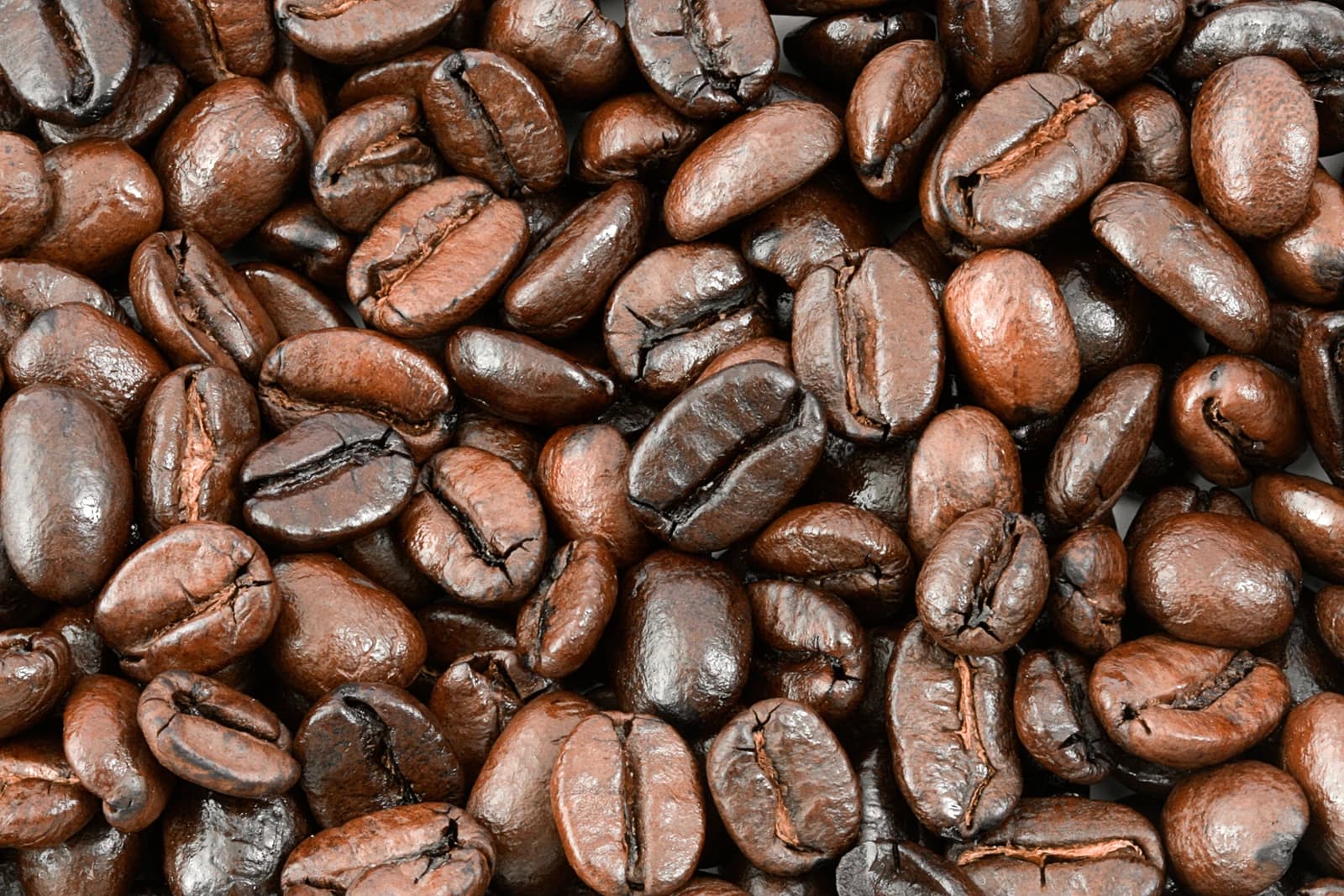
Coffee prices extended their gains for a second straight session, with robusta futures in London and arabica contracts in New York edging higher as traders focused on a simple but powerful driver: certified inventories remain unusually scarce.
That matters because coffee is not just reacting to weather headlines — it is trading against a backdrop of thin buffers. When exchange stocks are near historic lows, even modest disruptions in supply can translate into outsized price moves, forcing roasters and food companies to pay up and keeping the inflation impulse alive in a category that is already vulnerable to volatility.

Robusta for November delivery rose 0.4% to $3,472 a metric ton, while January robusta gained 0.46% to $3,462. Arabica for December delivery added 0.26% to 292.05 cents a pound, with the March contract up 0.35% to 283.65 cents. Rabobank said certified arabica stocks are still near their lowest level since March 1999 and are unlikely to rebuild meaningfully before late October.
The market is also beginning to weigh a more complicated supply picture for the next crop cycle. Rain in Brazil is improving the outlook for flowering in the 2027 crop, which could eventually ease pressure, but current conditions are still supportive for prices because Brazil remains central to global supply. Cooxupé, Brazil’s largest coffee cooperative, said growers had harvested 95.4% of the 2026 crop as of Sept. 4, behind last year’s pace for the same period.
For investors, the key point is that coffee remains a classic supply-shock trade with asymmetric upside when inventories are low. BMI, a Fitch Solutions unit, expects global output to rise 6% in 2026-27 to 188.9 million bags, creating a 14.4 million-bag surplus, but that surplus is expected to narrow in 2027-28 as Brazil’s arabica crop enters a down cycle. Any shortfall in Brazil or Asia — where robusta production is concentrated — could hit prices harder than usual.
That makes the current setup attractive for producers with leverage to higher beans and challenging for buyers without pricing power. The market may be looking past the risk that El Niño, fertiliser costs and historically tight inventories could keep coffee prices elevated well into the next supply cycle. For now, the trend is still higher, and the better trade is to stay with the scarcity.
| Entity | Gains | Losses |
|---|---|---|
| Coffee producers | ▲Higher selling prices | ▼Higher input costs and weather risk |
| Roasters and food makers | ▲— | ▼Higher raw-material costs |
| London robusta futures | ▲Short-covering and tight supply support | ▼Potential pressure if Brazil rains persist |
| New York arabica futures | ▲Low certified stocks and inventory scarcity | ▼Relief from supply normalization |