Coffee Prices Rise on Supply Worries
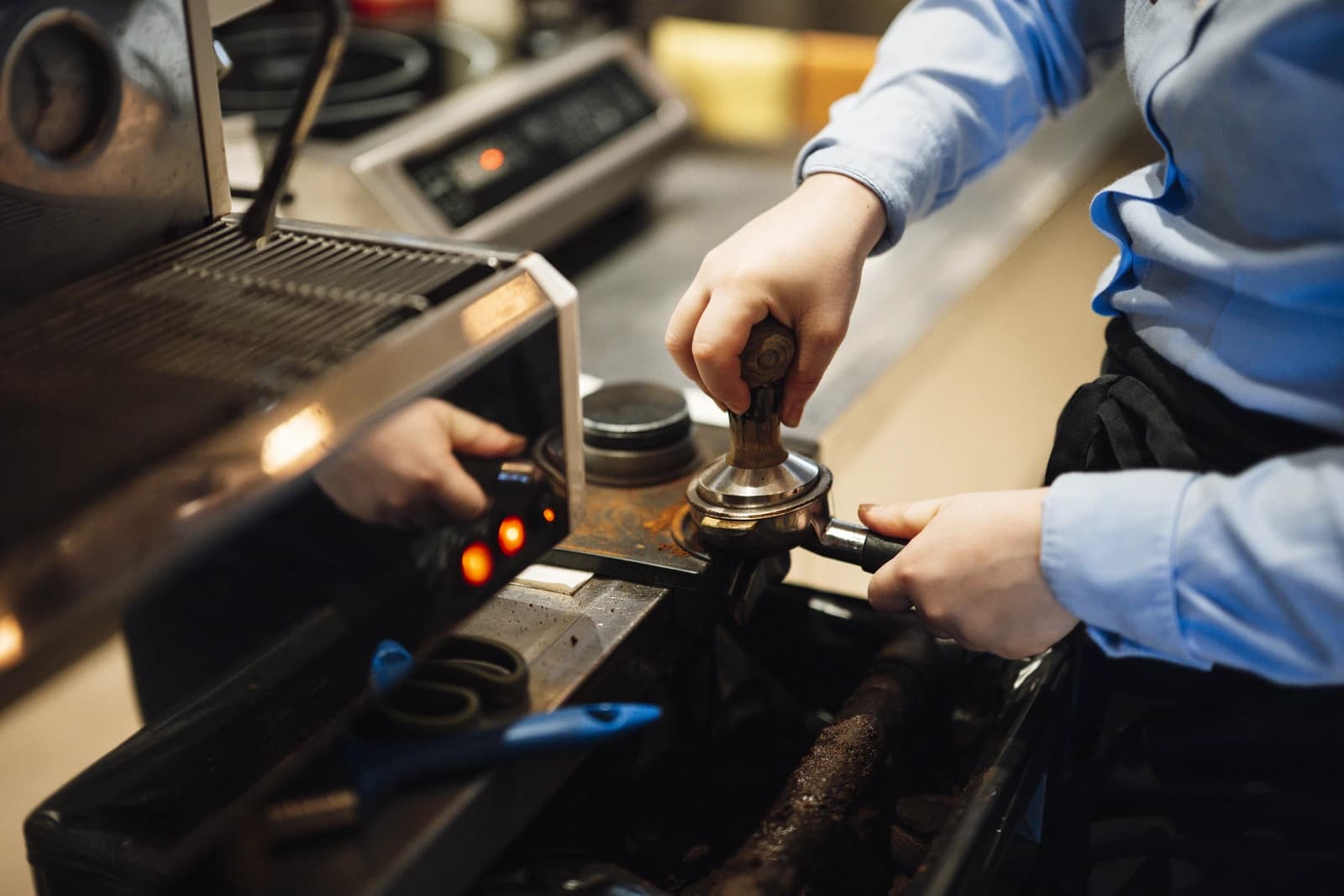
A sharp jump in coffee prices is threatening to filter through to grocery bills, café menus and earnings at roasters and chain operators, with Arabica futures surging and Vietnamese farm-gate prices climbing even as some benchmark robusta contracts have eased.
That matters because coffee is one of the world’s most widely traded soft commodities, and when prices spike this quickly the impact rarely stops at the farm gate. Higher green coffee costs can squeeze margins for roasters and retailers, force menu price increases, and eventually show up in the consumer inflation data if the move persists.
In Vietnam’s Central Highlands, domestic coffee prices rose 600 to 700 dong per kilogram to about 97,200 to 98,000 dong, edging closer to the 100,000 dong level as supply ran short ahead of the new harvest. Globally, arabica coffee prices have been climbing on supply worries, with year-on-year gains of roughly 70% cited in the market context.
For investors, the immediate takeaway is that the pressure lands unevenly. Starbucks and other branded chains can often pass along some costs over time, but they still face margin risk if beans stay expensive while consumers grow more price-sensitive. Smaller players such as coffee roaster J.M. Smucker’s JVA unit have less room to absorb input shocks, especially when hedging is imperfect and bean costs swing faster than retail prices.
The broader story is not just about coffee. It is about the latest example of how climate, harvest timing and supply bottlenecks can quickly turn a staple into an inflation problem. The recent moves also arrive as consumer spending sentiment remains weak, which makes the pricing power test even more important for companies that sell discretionary beverages.
If supply stays tight into the next harvest, coffee prices could remain elevated long enough to reshape margins across the supply chain. For long-term investors, that makes the strongest brands, the best hedgers and the most diversified consumer companies the ones worth watching — and, in volatile commodity cycles, often worth owning.
| Entity | Gains | Losses |
|---|---|---|
| Coffee growers | ▲Higher farm-gate prices | ▼If costs or weather worsen |
| Roasters and cafés | ▲Little near-term gain | ▼Margin pressure, pricing risk |
| Starbucks | ▲Brand-led pricing power | ▼Higher input costs |
| J.M. Smucker’s JVA | ▲Higher retail pricing potential | ▼Hedging and cost volatility |