Coffee prices fall as Vietnam farmgate income weakens
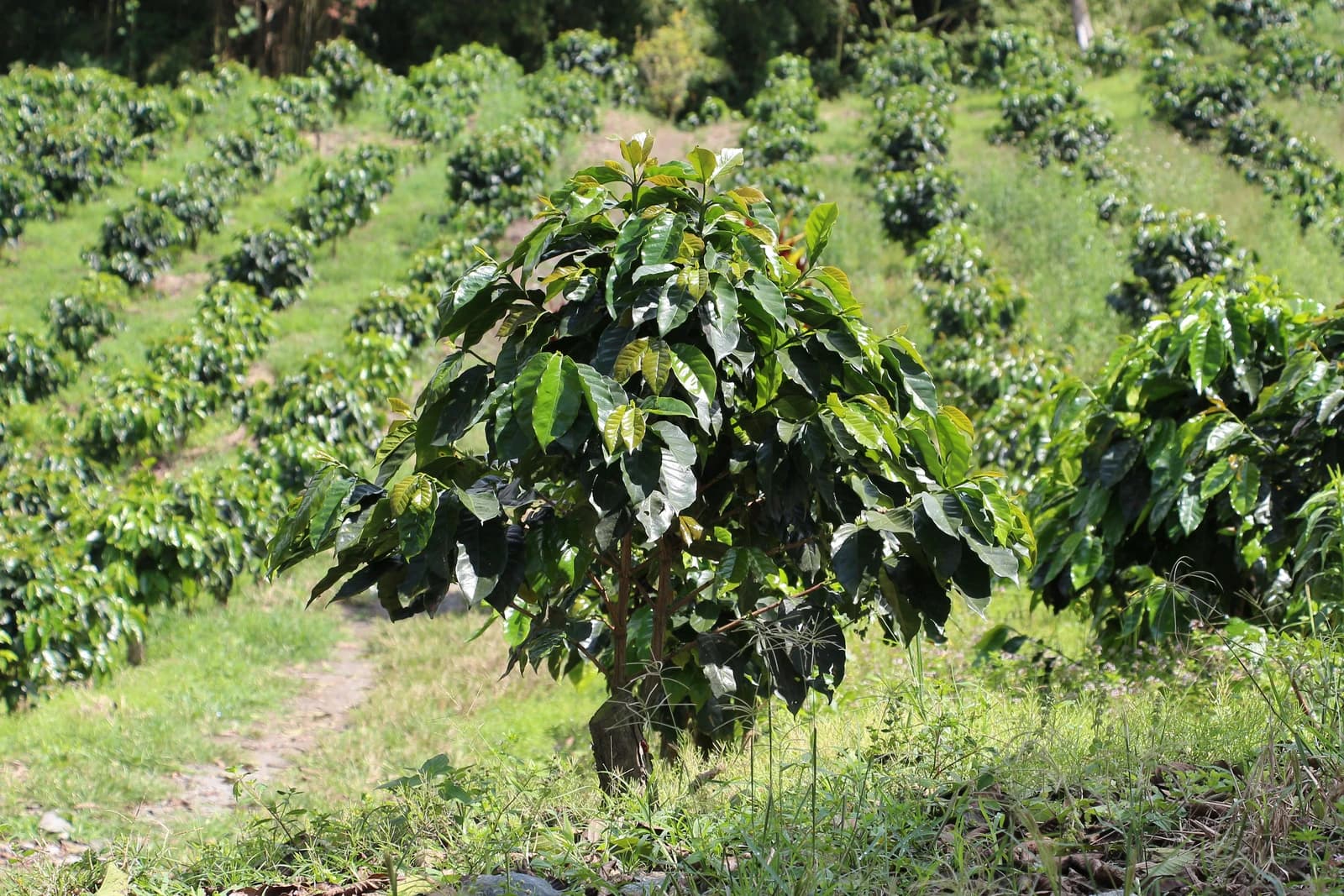
Coffee prices continued to weaken on Sept. 9, squeezing farmgate income in Vietnam and raising questions about how quickly traders and roasters will pass lower costs through to consumers.
In Vietnam’s Central Highlands, the country’s key coffee belt, local prices fell 500 dong a kilogram to an average 94,300 dong, with Dak Nong at 94,500 dong and Lam Dong at 93,700 dong. The decline comes even as the global market stays volatile, with arabica futures in New York dropping across maturities and nearby robusta in London also finishing lower on the front contract.
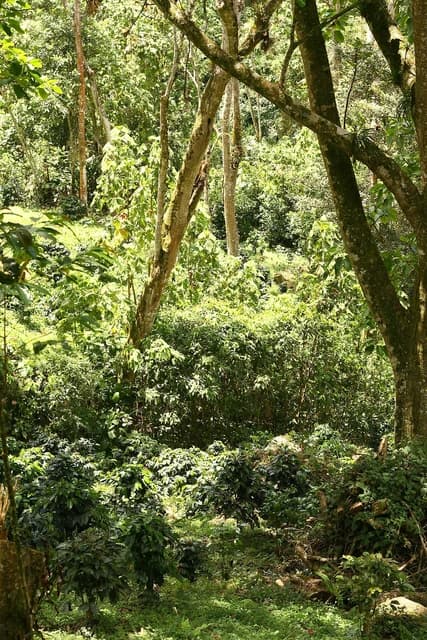
The most important shift for investors is not just the day-to-day move in beans, but what it means for the income stream tied to one of Vietnam’s most valuable farm exports. Lower prices pressure growers’ cash flow and can slow selling if farmers choose to hold inventory, while exporters and roasters gain some relief on input costs after a period of elevated volatility. That divergence tends to matter for margins across the supply chain, from origin traders to packaged coffee brands.
On ICE, London robusta for September settled at $3,347 a tonne, down 0.83%, while later-dated contracts rose sharply, a sign the curve remains uneven and supply expectations are not fully benign. In New York, arabica for December fell 4.3 cents to 291.3 cents a pound, with later expiries also lower, reinforcing the pressure on benchmark prices. Arabica from Brazil weakened as well, adding to the broader downside tone.
For Vietnam, the slide lands at a sensitive moment. The country has been leaning more heavily on processed coffee exports to capture value rather than just ship raw beans, and that is increasingly important when green-bean prices soften. Data from the Vietnam Coffee and Cocoa Association show 105,317 tonnes of processed coffee were exported in the first seven months of the year, generating about $968 million, even though the volume was only 8.6% of total coffee exports. Processed products contributed 17.4% of export value, underscoring why domestic producers and traders are pushing further up the value chain.
That matters for multinational buyers as well. Food and beverage companies with large coffee exposure, including Starbucks, PepsiCo and Mondelez, have all flagged commodity-price volatility in recent filings as a risk to costs and margins. A softer arabica market eases pressure on procurement budgets, but it does not eliminate volatility; the steep backward-and-forward moves in the London curve suggest hedging remains essential.
The broader backdrop is a farm commodity market caught between supply concerns, currency moves and shifting demand. A stronger dollar can keep dollar-priced coffee under pressure for importers outside the United States, while climate-related supply risks mean any relief on prices may prove temporary. For investors, the near-term winners are roasters, branded beverage makers and importers with hedged books; the losers are growers and local exporters exposed to spot pricing. The next test is whether the recent weakness in arabica and robusta extends long enough to reset contracts, or whether tighter supply quickly restores upward pressure.
| Entity | Gains | Losses |
|---|---|---|
| Roasters and branded coffee buyers | ▲Lower input costs | ▼Less pricing power if retail demand weakens |
| Vietnam coffee farmers | ▲Potential inventory value recovery later | ▼Lower farmgate income now |
| Exporters of processed coffee | ▲Margin support from value-added products | ▼Raw-bean exporters face weaker prices |
| Short-term coffee consumers | ▲Cheaper procurement over time | ▼Volatility keeps hedging costs high |