Coinbase Holds Above 50-Day as Bitcoin Rises
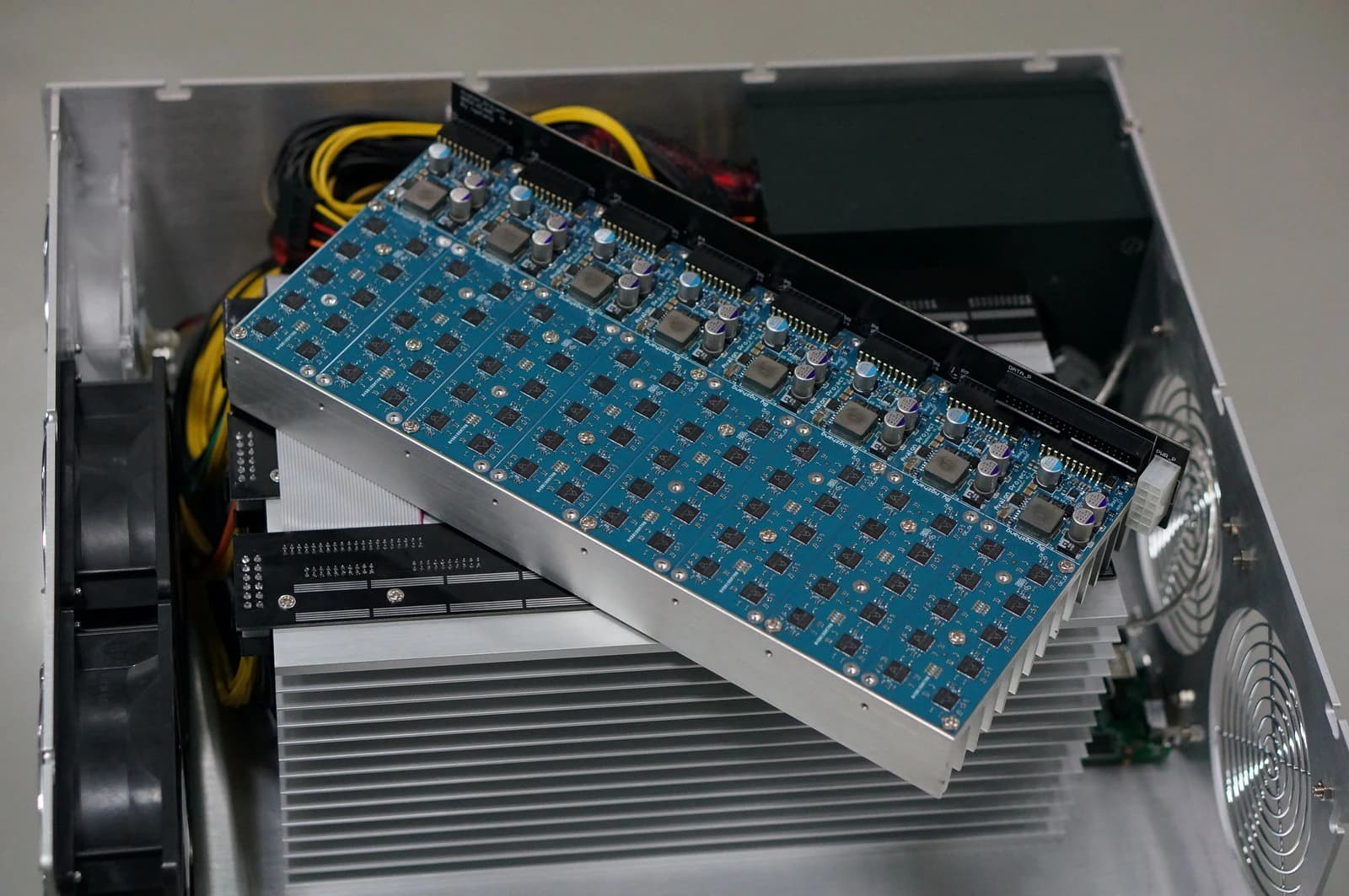
Bitcoin’s latest surge is rewarding the infrastructure that routes and stores crypto value far more than the miners that create it, and that divergence is the key market story investors should be watching now.
The split matters because it says the crypto trade is maturing away from a pure “hash rate and block rewards” bet and toward a higher-quality capital allocation story: exchanges, stablecoins and custody rails are capturing the real economic activity. In other words, the market is paying up for toll roads, not for the costliest industrial operators on the chain.
That shows up clearly in the tape. Coinbase Global has fallen to $172.28 from $375.78 in early October 2025, but the stock’s longer pattern still shows it recovering from a brutal washout and then stabilizing above its 50-day average near $164.73. The technical picture is far healthier than that of the miners: Coinbase’s RSI is back at 50, roughly neutral, after moving out of deeply oversold territory, while Bitcoin itself is flashing extreme fear in Adalytica’s proprietary sentiment gauge even as the token has held near $78,000. That combination usually favors investors who can survive volatility and own the picks-and-shovels businesses with recurring transaction flow rather than the most levered balance sheets.
The miners tell a very different story. MicroStrategy, now effectively a highly geared bitcoin proxy, has dropped to $128.56 from $359.69 a year earlier and sits well below both its 50-day and 200-day moving averages. Riot and CleanSpark have also seen the enthusiasm fade after earlier spikes, with IREN’s manic move giving way to sharp pullbacks. That is not what a clean, broad-based crypto bull market looks like. It is what happens when capital rotates from the most speculative expression of the trade into the parts of the ecosystem that actually monetize volume.
That rotation has an economic logic. Miners are exposed to power costs, capex, network difficulty and the lagging economics of block rewards. Exchanges and stablecoin issuers benefit when liquidity, settlement and institutional activity deepen, which is exactly what happens as crypto matures. Stablecoins, in particular, are becoming the payment and collateral layer of the digital-asset economy, a structural theme that matters far beyond the next bitcoin swing. As adoption grows, the economics migrate from commodity extraction to transaction infrastructure.
Investors should read this as a selective bull case, not a blanket crypto trade. The market underestimates how much of the upside accrues to businesses with fees, distribution and balance-sheet optionality. Coinbase stands out as the cleanest listed beneficiary, while stablecoin-linked names such as Circle are tied to the expansion of on-chain dollars and institutional settlement. Miners can still work in a raging bitcoin melt-up, but they are no longer the first place the smart money is reaching for exposure.
The next catalyst is simple: if bitcoin holds near record territory while fear remains elevated, the market is likely to keep rewarding the infrastructure layer over the extraction layer. That sets up another leg of outperformance for exchanges, custody and stablecoin franchises — and another reminder that in crypto, the highest-beta names are not always the best investments.
| Entity | Gains | Losses |
|---|---|---|
| Coinbase (COIN) | ▲Higher trading and custody activity | ▼Miner-centric capital flows |
| Stablecoin issuers (e.g. Circle) | ▲More settlement demand | ▼Bitcoin-only trade exposure |
| Bitcoin miners (RIOT, CLSK, IREN) | ▲Higher BTC price in theory | ▼Hash-rate, power and capex pressure |
| Levered BTC proxies (MSTR) | ▲Upside in a melt-up | ▼Sharp drawdowns when risk rotates |