Coinbase and Circle are being pushed into a strategic standoff over Hyperliquid’s growing role in crypto trading, and JPMorgan says the outcome will determine how much pricing power each company can keep in the fast-moving stablecoin economy.
Coinbase, Circle Face Hyperliquid Pricing Power Test
The bank’s “prisoner’s dilemma” framing matters because it captures a broader fight over who captures the economics of on-chain activity as trading shifts away from centralized venues and toward crypto-native platforms. For investors, the issue is not just whether Hyperliquid can win more volume; it is whether Coinbase and Circle can defend the tolls they collect from USDC circulation, trading flow and ecosystem access without undercutting each other.
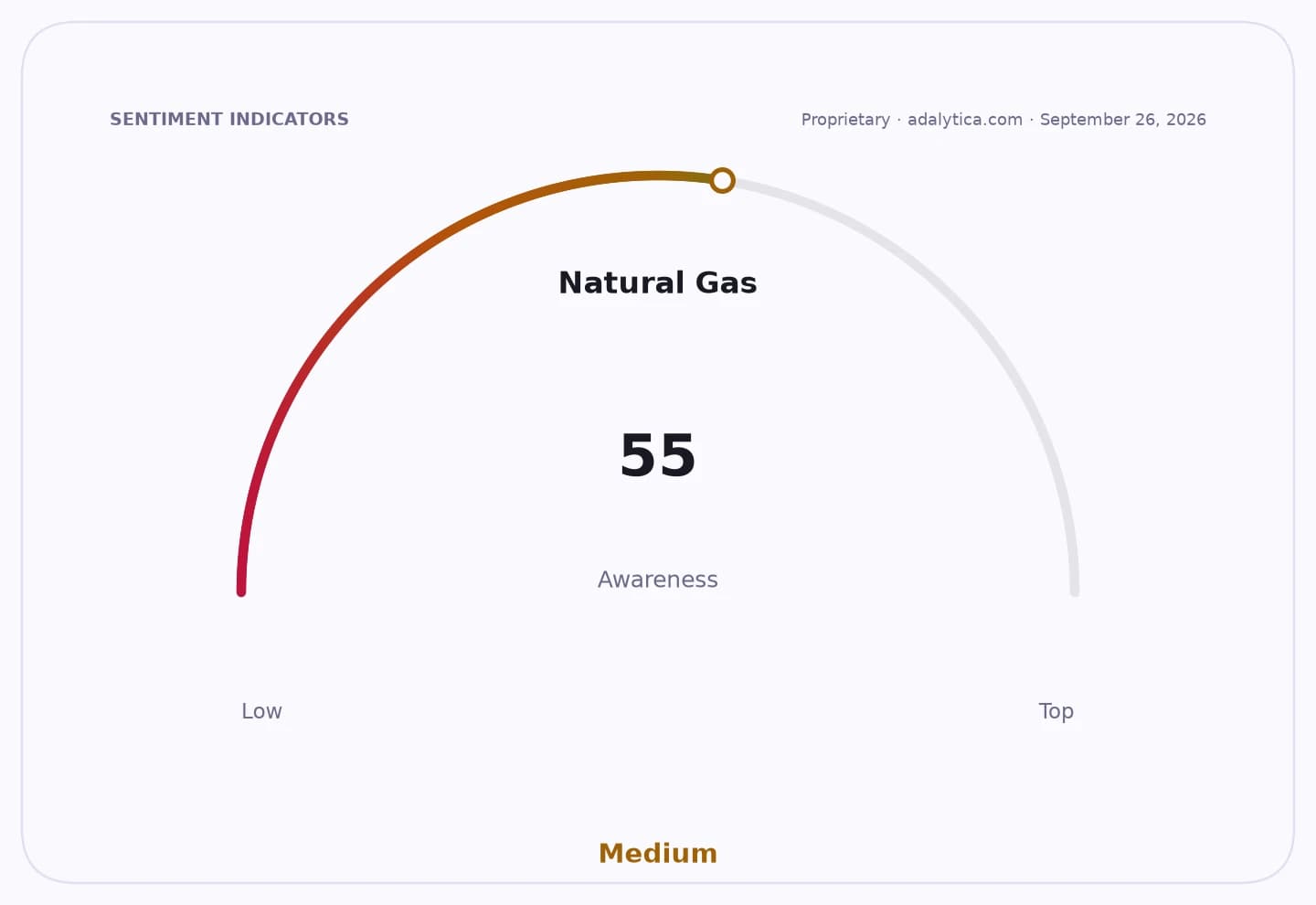
Sentiment IndicatorsⓘProprietary · adalytica.com · July 14, 2026
This is a snapshot — live sentiment, awareness and momentum for 130+ markets update continuously in the dashboard.Open AlphaPulse
That tension comes at a delicate moment for Coinbase. The stock has rebounded sharply from a deep selloff earlier this year, but it remains well below its recent highs and is still trading under both its 50-day and 200-day moving averages. The latest close of $159.85 compares with a 50-day average of $174.09 and a 200-day average of $225.06, underscoring how far sentiment has cooled even after a strong spring recovery. Circle has also been hit hard: its shares ended at $62.96, far below the $91.46 50-day average and the $94.58 200-day average, a sign the market is still discounting the durability of its growth story.
For Coinbase, the risk is that supporting Hyperliquid too aggressively could accelerate activity on a venue that eventually competes with its own trading franchise. But resisting the partnership could leave the company exposed to losing relevance in a market where liquidity is increasingly portable and users are willing to follow incentives. Circle faces a similar dilemma on USDC distribution. If it leans too hard on partners to preserve economics, it risks losing share to rival stablecoins; if it compromises economics to expand usage, it could weaken the long-term profitability of the asset.
That trade-off helps explain the sharp volatility in both names. Coinbase’s recent technical readings show a stock trying to stabilize after a steep decline: RSI at 51.2 suggests the shares are no longer washed out, while the MACD has moved closer to a bullish crossover. Circle’s RSI of 36.4 still points to weakness, though it is off the extreme oversold levels seen during the July selloff. Neither chart suggests the market has settled on a clear winner.
The broader backdrop is also important. Adalytica’s S&P 500 trade signals show extreme fear in the wider market, while US dollar sentiment has weakened sharply, a combination that typically favors risk assets only selectively and raises the bar for crypto-linked equities to sustain rallies. In that environment, investors are likely to focus less on headline partnership wins and more on whether those deals improve economics per transaction.
The bull case is that Hyperliquid expands the addressable market for both companies, deepens USDC usage and reinforces Coinbase and Circle as core infrastructure providers in crypto. The bear case is that the partnership merely accelerates commoditization, with Hyperliquid capturing the user interface and Coinbase and Circle forced to accept lower margins to stay relevant.
For now, JPMorgan’s warning suggests the partnership is less about one deal than about the balance of power in crypto market structure. The next catalyst will be whether Coinbase and Circle can monetize distribution without handing too much of the upside to the platforms they help build.
| Entity | Gains | Losses |
|---|---|---|
| Coinbase | ▲Wider ecosystem reach | ▼Trading-margin control |
| Circle | ▲USDC circulation growth | ▼Pricing power on distribution |
| Hyperliquid | ▲Deeper liquidity access | ▼Dependence on partners |
| Rival stablecoins/venues | ▲Less direct benefit | ▼Share to USDC/Coinbase |