Debt and legal risk are weighing on investor sentiment across payment and crypto-linked stocks, with PayPal and Coinbase both showing technical damage that suggests traders are still pricing in a tougher operating and regulatory backdrop.
Coinbase and PayPal face legal risk pressure
The immediate issue is not just headline risk, but the way liability concerns can feed directly into valuation. For companies whose earnings depend on user trust, transaction volumes and access to financial rails, even an incremental rise in dispute, fraud or enforcement risk can compress multiples quickly. That is particularly true in a market already sensitive to macro uncertainty and a weaker risk appetite, with S&P 500 trade signals from Adalytica showing neutral sentiment and global stability readings in fear territory.
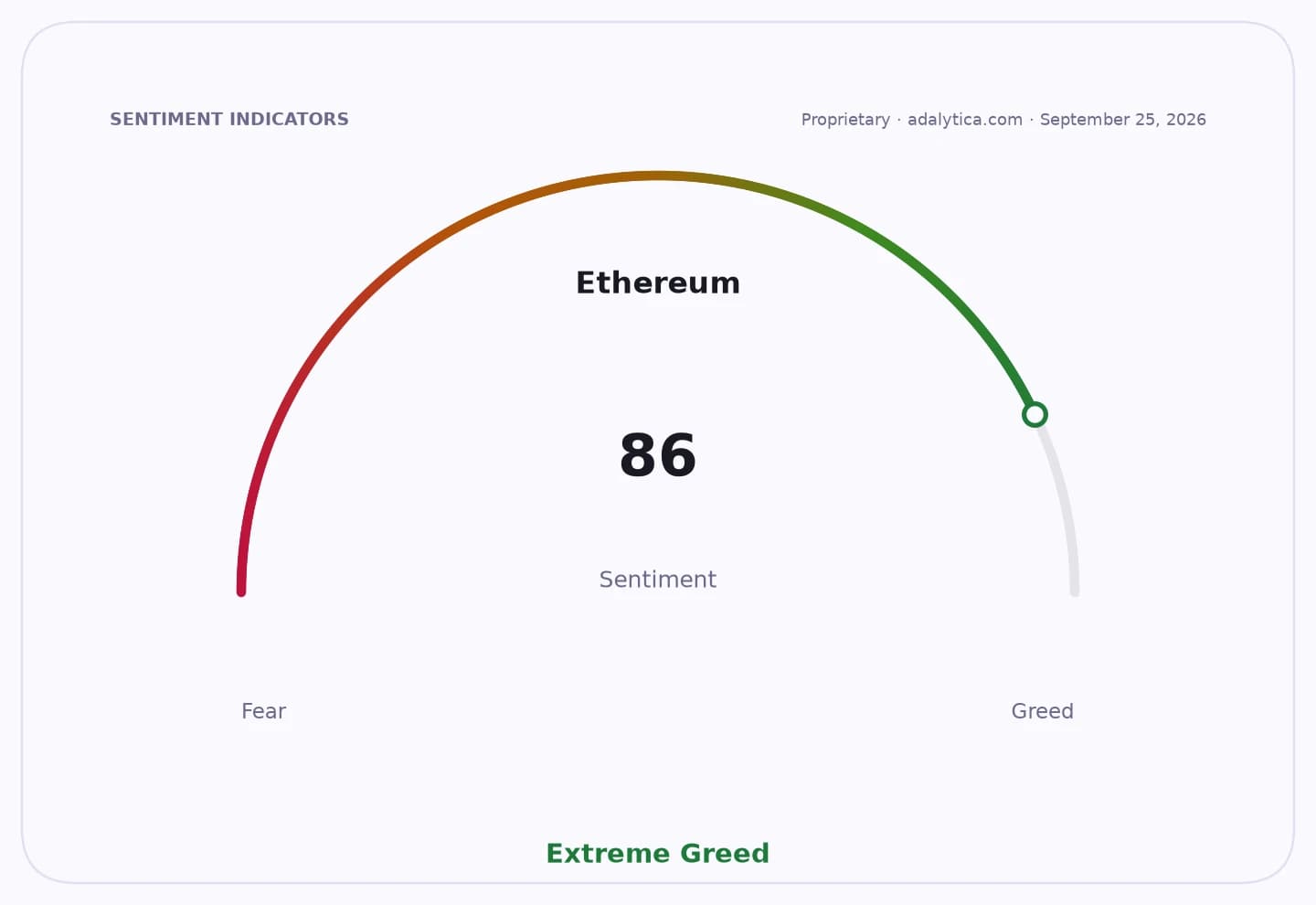
Sentiment IndicatorsⓘProprietary · adalytica.com · September 19, 2026
This is a snapshot — live sentiment, awareness and momentum for 130+ markets update continuously in the dashboard.Open AlphaPulse
Coinbase has been the more volatile name. The stock closed at $194.25 on Friday, up sharply from $164.51 two sessions earlier, but it remains below its 200-day moving average of $189.22 and has only just reclaimed it. The latest move came on volume of 21.9 million shares, well above recent trading, while the RSI reading of 55.7 and a positive MACD crossover point to a short-term rebound after a deep selloff. Yet the broader picture is still fragile: in early February the stock plunged to $141.09, with the RSI collapsing to 17.9 and the shares trading far below the 50-day moving average. That kind of whipsaw usually reflects a market struggling to settle on a fair risk premium for a company exposed to regulatory scrutiny, custody risk and crypto-cycle volatility.
PayPal looks weaker. The shares finished at $52.41 on Friday, down from $61.51 in mid-August and still under both the 50-day moving average of $56.44 and the 200-day average of $50.40. The RSI at 46.0 suggests the stock is no longer deeply oversold, but the MACD remains negative, and the latest session saw volume jump to 29.1 million shares, a sign that sellers and bargain hunters are both active. The stock’s slide from above $72 in late October to the low $50s highlights how quickly the market can unwind enthusiasm for payments names when growth expectations meet questions over margin durability, competition and legal exposure.
The legal backdrop matters because it can change more than sentiment. For payment platforms, disputes over fraud, consumer protection, data security or merchant practices can lead to higher compliance costs, tighter oversight and slower product expansion. For crypto exchanges, the stakes are even higher: regulation can affect listings, staking, custody, stablecoins and institutional adoption. That is why investors often treat litigation and investigations as a margin and multiple issue, not just a one-time expense.
The broader narrative also fits a market that is becoming more selective about financial technology. In risk-off conditions, investors tend to prefer companies with clearer earnings visibility and less headline exposure. That hurts names like PayPal, where the market is still debating whether the stock deserves a rerating, and leaves Coinbase dependent on the next swing in crypto activity and regulatory tone. A durable recovery in either name will likely require not just better operating results, but evidence that the legal and policy overhang is easing.
For now, traders appear willing to buy sharp pullbacks, but not yet to assign full confidence to the underlying business models. Until the risk premium narrows, both stocks remain vulnerable to any fresh compliance, litigation or market-shock headlines.
| Entity | Gains | Losses |
|---|---|---|
| Long-term value buyers | ▲Lower entry points | ▼Volatility and headline risk |
| Coinbase | ▲Rebound from oversold levels | ▼Regulatory and legal overhang |
| PayPal | ▲Potential technical support near 200-day average | ▼Margin and growth skepticism |
| Short sellers | ▲Elevated uncertainty | ▼Sharp countertrend rallies |