College Students Turn to Credit Cards as Costs Rise
Financial strain and weak credit literacy are pushing more college students toward credit cards at a time when borrowing costs remain high and household debt stress is worsening.
That matters because revolving credit is the most expensive mainstream form of consumer borrowing, and once students start carrying balances, compounding interest can turn a short-term cash shortfall into a long-lived drag on household finances. The macro backdrop offers little relief: the Federal Reserve’s policy rate has been steady at 3.63%, unemployment is running at 4.1%, and home prices remain near record levels, keeping living costs and financial pressure elevated even as the labor market cools only gradually.
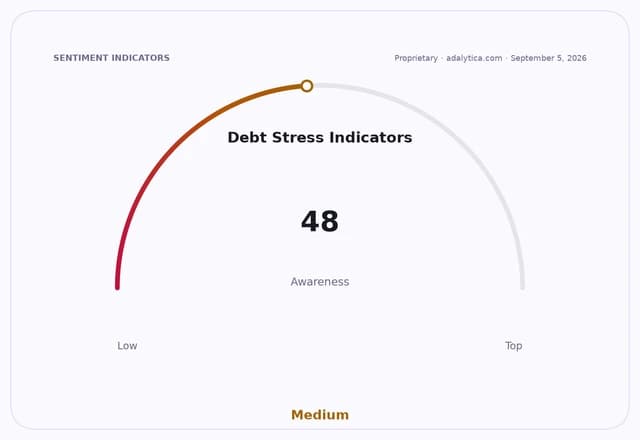
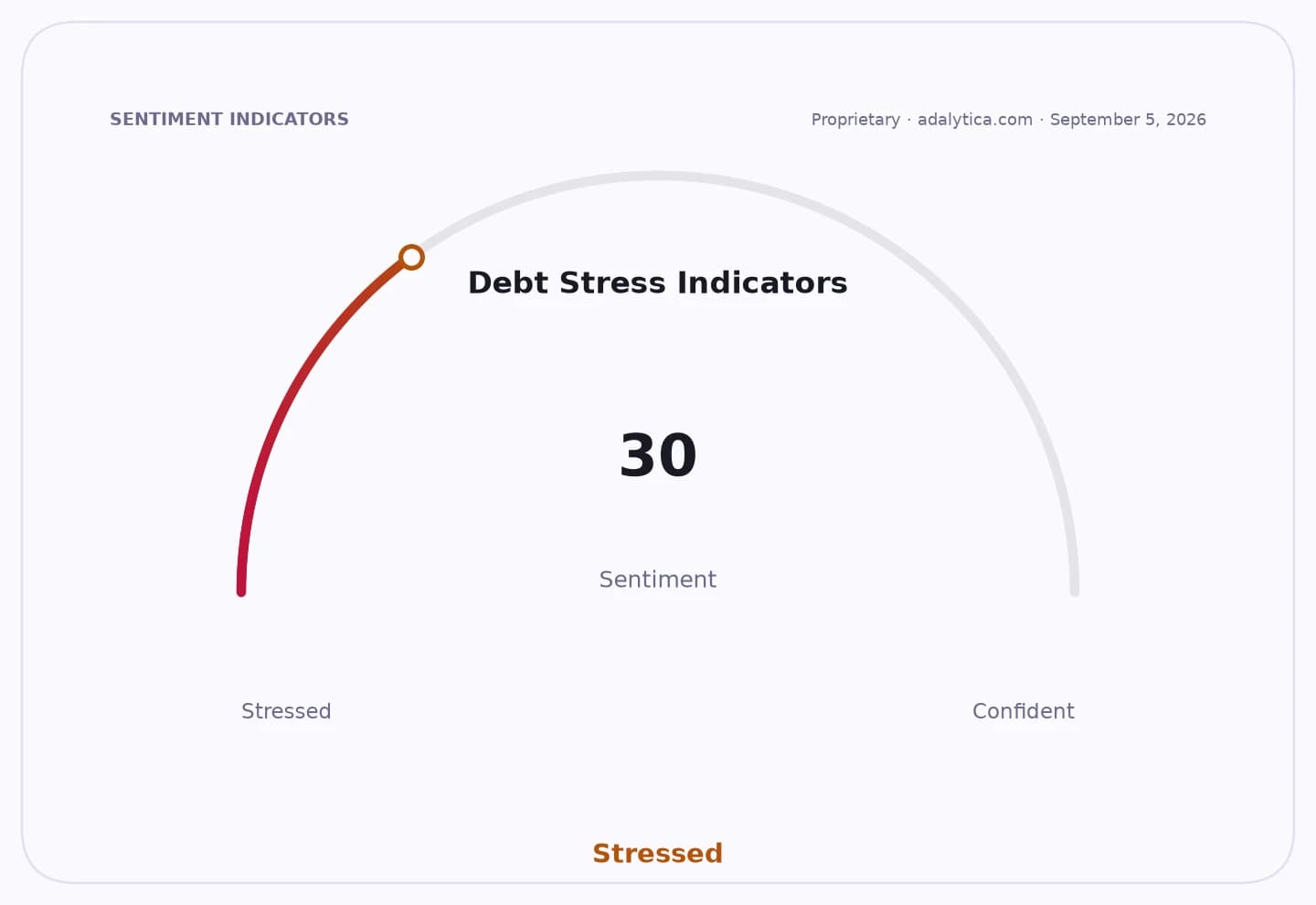
The credit card exposure also matters for lenders and the broader consumer economy. Adalytica’s Household Debt Stress Sentiment gauge has fallen to 30, labeled “Fear,” while its Savings Rate Sentiment sits at 52, or neutral, suggesting households remain cautious and liquidity buffers are uneven. In that setting, students are likely leaning on cards not for discretionary splurges alone but to bridge tuition, rent, food and transportation gaps — a behavior that can delay delinquency at first, but often raises future write-off risk if graduates enter a softer job market.
For investors, the trend cuts two ways. Card issuers can benefit in the near term from loan growth and interest income, especially when balances rise faster than paydowns. But higher usage among younger borrowers can eventually pressure charge-offs if underwriting is loosened or if unemployment ticks up. That risk is especially relevant for lenders with large consumer books, including American Express, Capital One and Synchrony Financial, all of which have reported monthly credit performance data in recent filings.
The deeper narrative is that America’s young adults are being pulled into the credit system earlier and under tighter financial conditions than previous cohorts. Stronger wages and a still-resilient labor market have kept the economy from cracking, but they have not restored affordability. With borrowing costs still above pre-pandemic norms and consumer sentiment about debt deteriorating, student card reliance looks less like a temporary convenience and more like an early warning sign for the next phase of household credit stress.
| Entity | Gains | Losses |
|---|---|---|
| Credit card issuers | ▲Interest income and balances | ▼Future charge-off risk |
| College students | ▲Short-term spending access | ▼Rising debt burden |
| Economy-wide consumption | ▲Near-term spending support | ▼Weaker household resilience |
| Regulators and educators | ▲Urgency for literacy efforts | ▼Higher consumer stress |