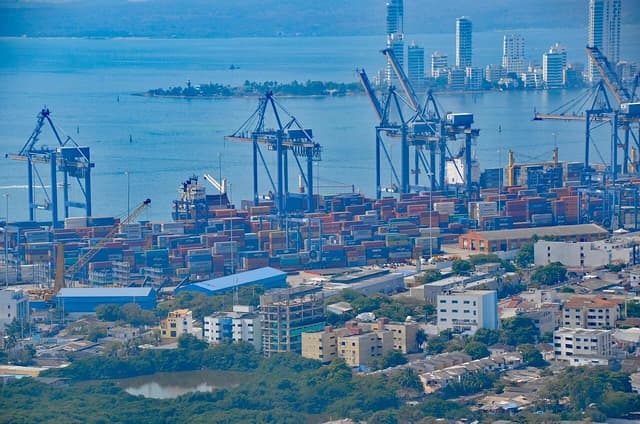
Colgas is investing to expand import capacity in Cartagena, a move that underscores how quickly Colombia’s natural gas market is shifting from surplus to shortage and why energy security is becoming a more immediate investor issue. The project is aimed at helping fill an expected 39% gas deficit in 2026, a gap that could force the country to rely more heavily on imports just as global supply conditions remain volatile.
Colombia Gas Import Expansion Signals Tightening Market

The investment matters because natural gas is feeding into a broader squeeze across power, industrial and household energy costs. Colombia has long leaned on domestic supply, but declining local output and rising demand are tightening the market, making infrastructure for LNG or other imported gas more strategically valuable.
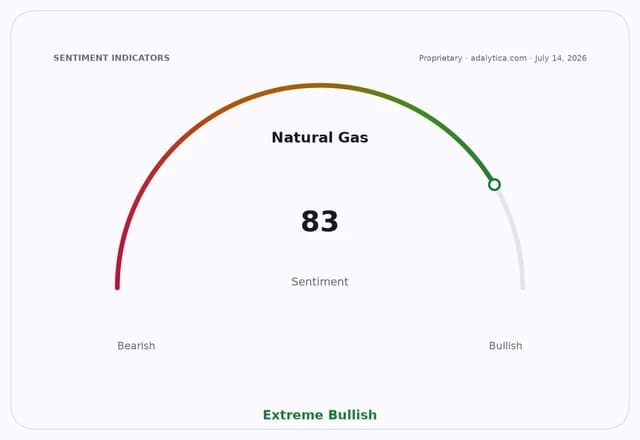
Sentiment IndicatorsⓘProprietary · adalytica.com · July 14, 2026
This is a snapshot — live sentiment, awareness and momentum for 130+ markets update continuously in the dashboard.Open AlphaPulse
That shortage backdrop is already showing up in prices and trading sentiment. Adalytica’s natural gas trade signal shows Greed at 83, with sentiment up 35% over the past week and 79% over the past month, while the wider global stability gauge remains in Extreme Fear, reflecting how energy disruptions and geopolitical risk are feeding into market anxiety.
For investors, the Cartagena expansion points to a potential rerating for companies tied to gas logistics, storage and import terminals, while also highlighting the risk of higher utility and fuel costs for import-dependent consumers and businesses. It also reinforces the case for upstream producers and infrastructure operators with export capability, as Latin America’s gas balance becomes more fragmented and import-dependent.
The move comes as governments and markets search for ways to cushion consumers from higher energy bills, including new policy initiatives in the U.S. and shifting supplier patterns in Europe. The key question now is whether Colombia can add enough import capacity fast enough to offset the deficit before the 2026 supply gap tightens prices and raises pressure on regulators, distributors and end users.
| Entity | Gains | Losses |
|---|---|---|
| Colgas | ▲Higher terminal value | ▼Execution and capex risk |
| LNG import suppliers | ▲New demand outlet | ▼Limited if supply stays tight |
| Colombian consumers | ▲Better supply security | ▼Higher energy costs |
| Domestic gas producers | ▲Incentive to invest | ▼Market share pressure |