Colombia inflation likely rose in August
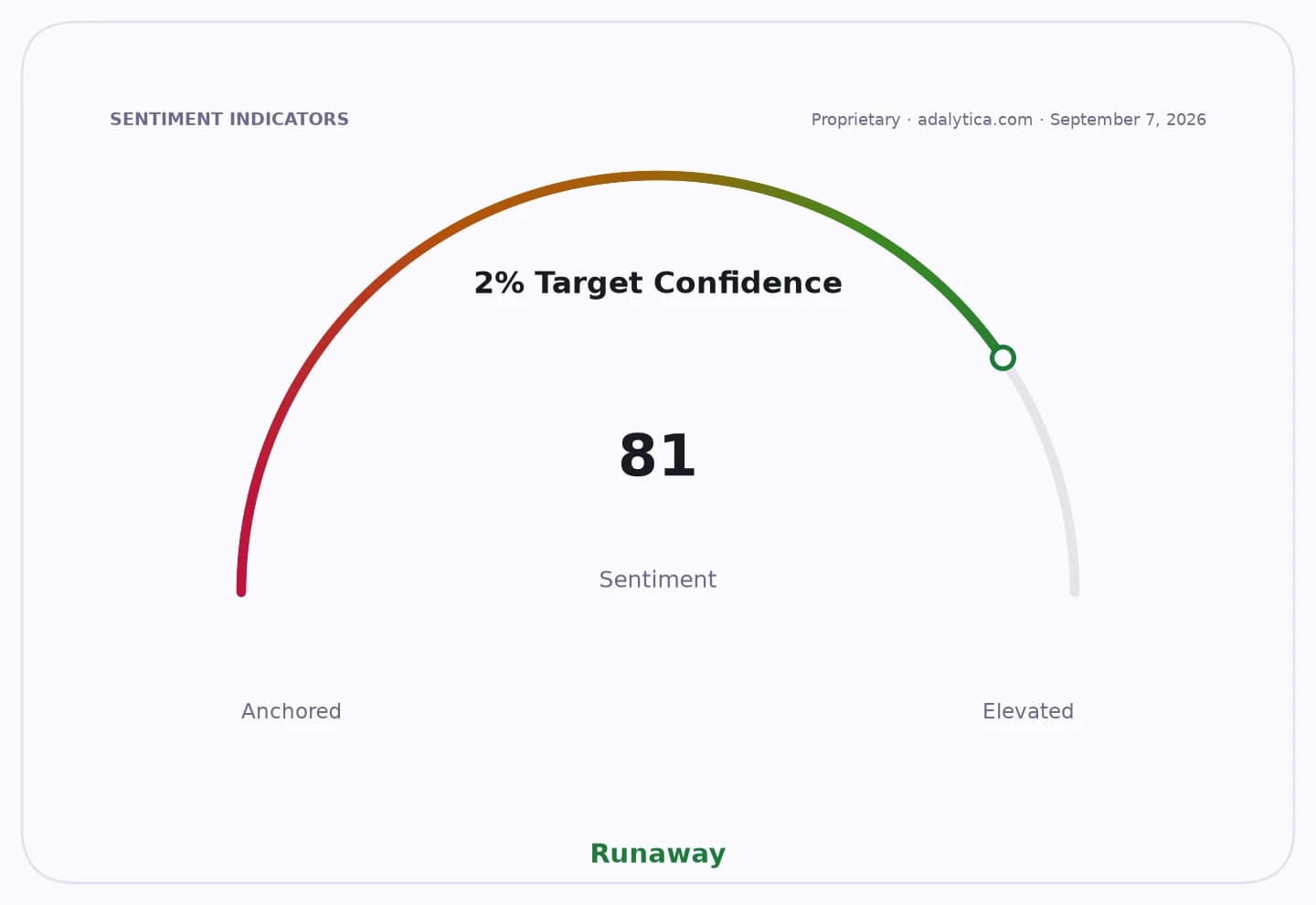
Colombia's annual inflation likely rose in August to its highest level in two years, a fresh setback for policymakers and households as sticky services prices and regulated tariffs keep the cost of living climbing.
Economists surveyed by local banks and market analysts expect consumer prices to increase between 6.17% and 6.19% from a year earlier, up from 6.02% in July, with August marking the highest annual reading since July 2024. The monthly CPI is forecast to rise 0.35%, according to Bancolombia, while Corficolombiana sees 0.21% to 0.35% depending on the measure.
The main driver is not food but more persistent components of the basket. Services inflation is expected to quicken to 7.02% year on year, its highest since June, while regulated prices are seen rising 7.31%, pushed by higher electricity, water, sewerage and garbage collection bills. Bancolombia said indexation linked to this year’s larger minimum wage increase is still feeding through the economy.
That matters for the Banco de la República because it complicates the path back to target and keeps pressure on borrowing costs. A hotter-than-expected print would reinforce the central bank’s warning that price increases may continue for the rest of the year, especially as weather-related disruptions linked to El Niño continue to affect supply conditions.
Core inflation is also seen remaining sticky. Bancolombia estimates inflation excluding food at 6.33% annually, while inflation excluding both food and regulated items would be 6.03%, underscoring how broad the price pressures remain even after July’s surprise moderation.
For investors, the risk is that sticky inflation delays any meaningful easing in Colombian rates and keeps local bond yields elevated. Higher-for-longer policy would weigh on rate-sensitive sectors, support the peso only if disinflation stalls less than expected, and keep pressure on consumer demand and corporate margins.
Markets will now look to the official August CPI release for confirmation, with the next reading likely to shape expectations for the central bank’s year-end stance and the pace of disinflation into 2026.
| Entity | Gains | Losses |
|---|---|---|
| Banco de la República | ▲tighter policy cover | ▼faster rate cuts |
| Bondholders | ▲higher yields if inflation surprises up | ▼price gains from easing |
| Consumers | ▲none | ▼higher food, services and utility costs |
| Utilities and service providers | ▲indexed pricing power | ▼households facing squeeze |