Colombia-Venezuela Border Tensions and Trade Risks
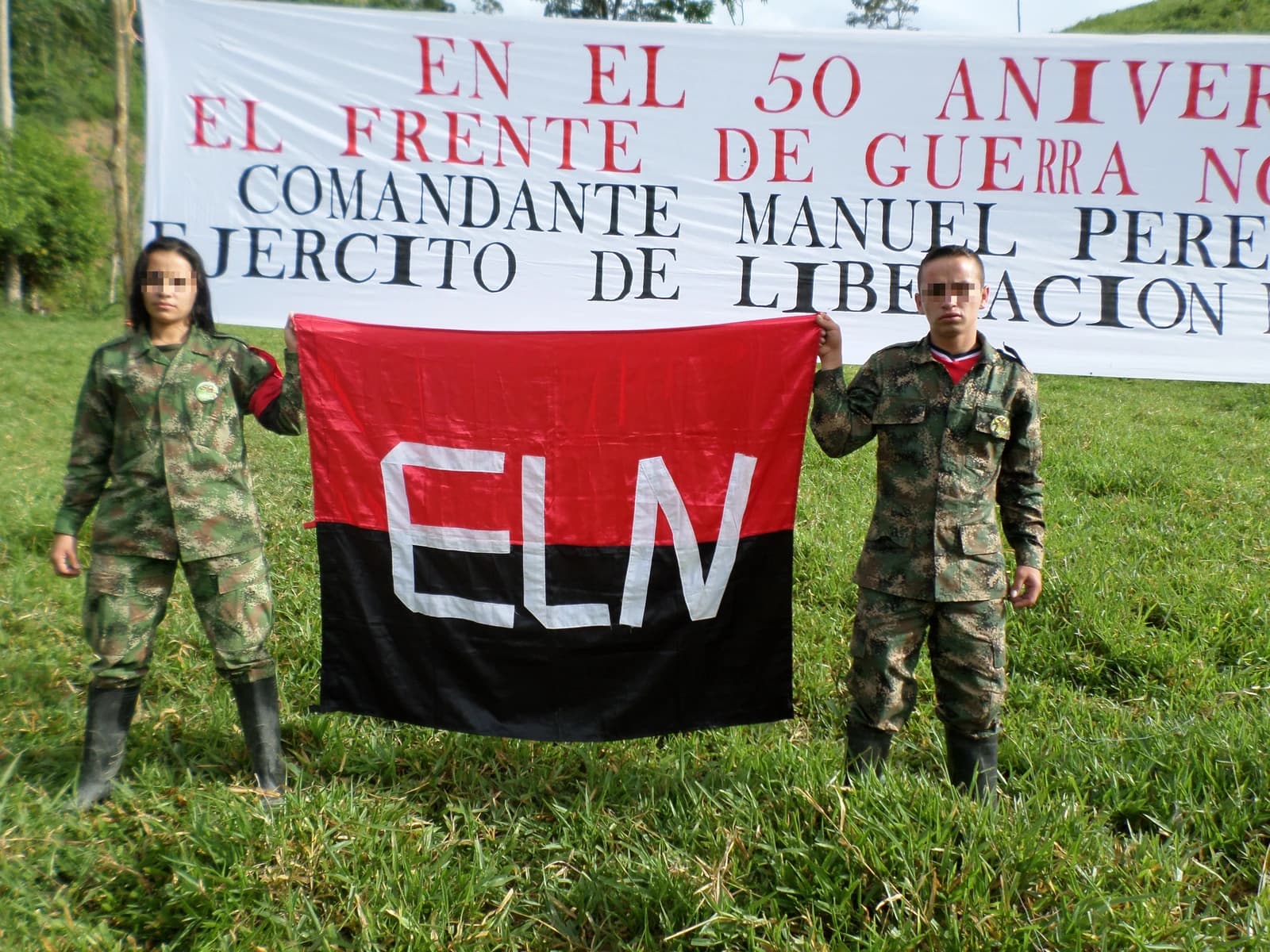
Abelardo de la Espriella’s vow to avoid direct contact with Caracas is starting to look harder to sustain as Washington presses Colombia to coordinate more aggressively against the ELN and cross-border narcotics networks.
That is the real market and policy significance of Marco Rubio’s visit to Barranquilla: the U.S. is not just backing a harder line on Venezuela, it is effectively raising the cost of keeping diplomacy frozen while armed groups use Venezuelan territory as a rear base. If Colombia wants meaningful results on security, migration and frontier control, it may need some form of direct channel with Caracas even if it stops short of political recognition.
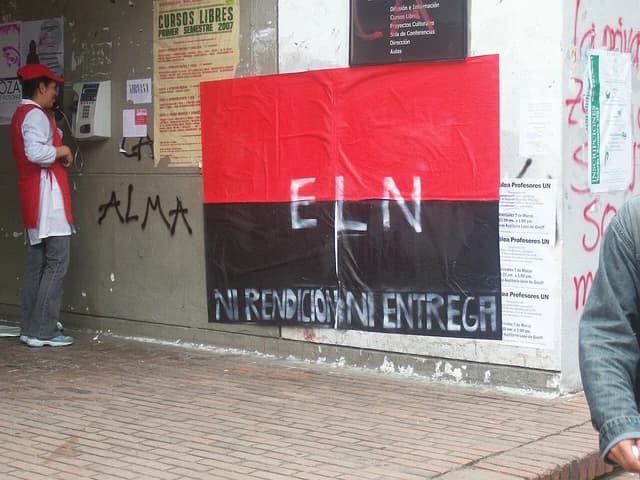
The economic stakes are bigger than the headline dispute suggests. The Colombia-Venezuela border is not only a security flashpoint; it is a corridor for trade, labor flows, energy links and informal commerce that can either stabilize local economies or feed criminal rents. When armed groups control mining, extortion routes and illicit logistics, the losers are legitimate businesses, exporters and households on both sides of the border.
Rubio’s warning that it is “insostenible” for narcotraffickers, criminals and terrorists to operate from Venezuela to threaten Colombia underscores why Washington wants coordination, not just rhetoric. The ELN’s deepening footprint inside Venezuela, including in remote areas where it has effectively filled governance gaps, makes the problem less like a border patrol issue and more like a regional sovereignty and resource-security challenge. That matters for investors because instability around oil, mining and transport corridors tends to widen risk premiums and slow capital formation across the Andean region.
The story also exposes a weakening diplomatic apparatus in Bogotá. With veteran border negotiators gone and the bilateral channel thinned out, Colombia has less institutional capacity to manage a relationship that now requires both security coordination and commercial pragmatism. In practical terms, that increases the chance that any workable arrangement will be improvised through intermediaries rather than formal statecraft — a setup that usually favors volatility over clarity.
For markets, the clearest takeaway is that frontier stabilization could become a modest tailwind for legitimate cross-border trade and energy cooperation, but only if the political channel is rebuilt. The recent 25-year GeoPark energy investment deal shows capital is willing to test the region when incentives align, yet those flows remain vulnerable to any escalation in the fight against the ELN or to U.S.-Venezuela tensions spilling into Colombia.
Our thesis is that the market underestimates how security cooperation can become the next catalyst for economic normalization along the Colombia-Venezuela axis. The near-term winners are firms tied to border logistics, energy development and formal trade; the losers are smugglers, armed groups and any assets priced for a frictionless political reset that does not exist. If Rubio’s push succeeds, the trade is not about Venezuela risk disappearing — it is about measured engagement creating a more investable corridor than the market currently assumes.
| Entity | Gains | Losses |
|---|---|---|
| Colombia-U.S. security channel | ▲Border coordination | ▼Diplomatic rigidity |
| Formal traders and energy firms | ▲Lower disruption risk | ▼Smuggling networks |
| ELN and traffickers | ▲— | ▼Greater pressure |
| EWW/EPU-style regional risk assets | ▲Stability premium | ▼Escalation risk |