Completed Apartments Gain Pricing Edge
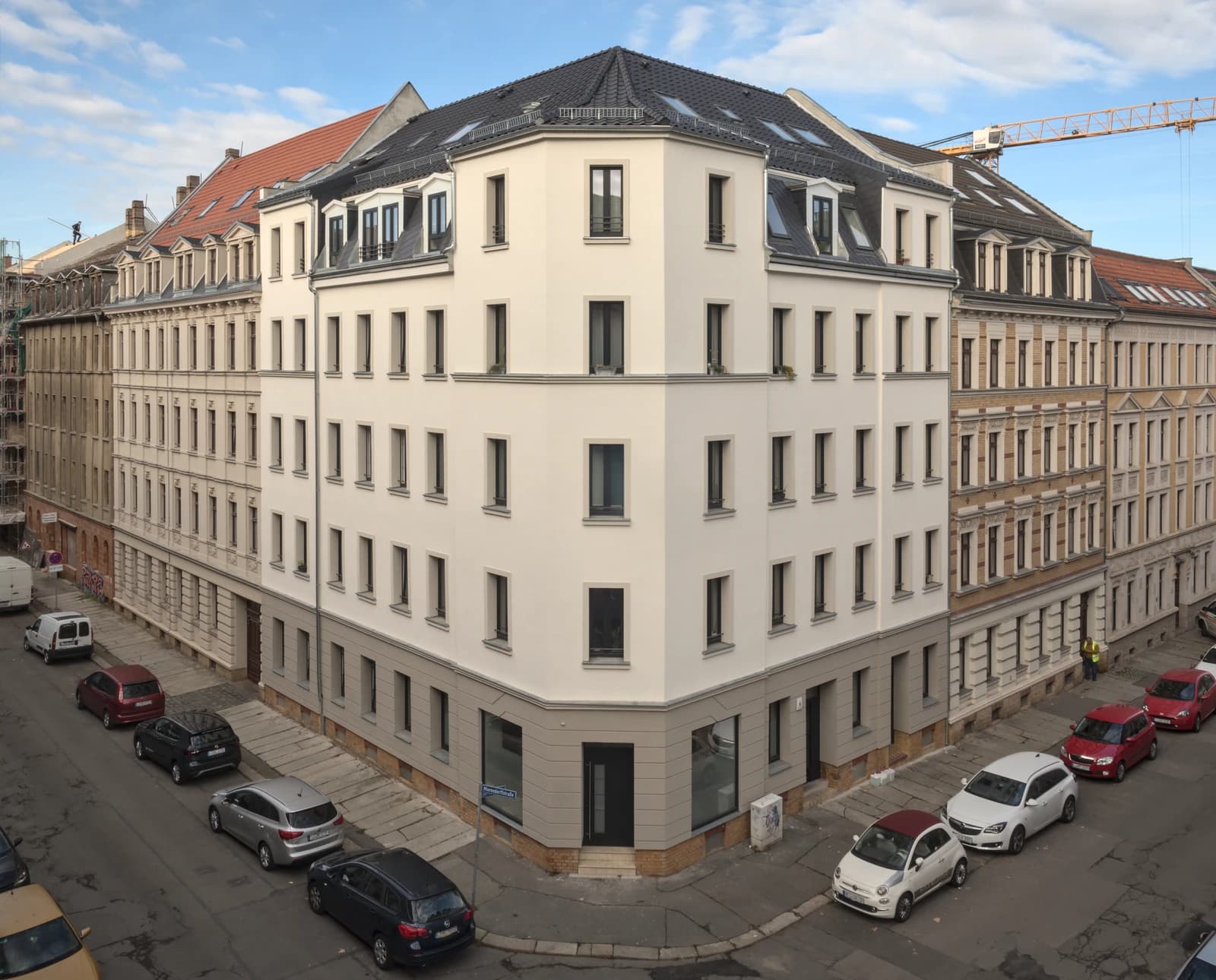
Buyers seeking immediate move-in options are finding the strongest hand in the housing market in years, as a record pipeline of completed apartments meets a sharp drop in new construction starts and softens pricing in some cities.
The shift matters because it signals a rebalancing in a sector that has been defined for most of the past decade by scarcity, rising rents and relentless price gains. In the US, the Case-Shiller home price index is still near record highs at 332.678 in April, up from 325.588 in July 2024, but the pace of increases has clearly slowed. That cooling is beginning to show up in the new-build market first, where developers are discounting finished units to clear inventory and avoid carrying costs at a time when financing remains expensive.
The pressure on builders is visible in the macro data. US housing starts fell to an annualized 1.177 million in May 2026, down 15.45% from April and the weakest reading in the series provided. That comes as the 10-year Treasury yield sits around 4.55%, still high enough to keep mortgage rates and development financing costly even if the Federal Reserve eventually eases. The result is a split market: existing supply is being absorbed more cautiously, while completed apartments are being marketed aggressively because they can be occupied immediately and generate rent or settlement cash flow without construction risk.
For buyers, that means more choice and, in some cases, better pricing than units still under construction. For developers, it is a warning that the easy pricing power of the post-pandemic period is fading. Projects that were pencilled in when borrowing costs were lower may now need incentives, deferred settlement terms or outright price cuts to move inventory. That is especially important in build-to-rent and multifamily schemes, where landlords depend on rapid lease-up to support valuations.
The trend also helps explain why apartment-focused real estate names have been volatile rather than uniformly weak. Aimco, or AIV, has been trading around $2.80, below both its 50-day and 200-day moving averages near $2.94 and $2.95, with RSI readings in the mid-30s suggesting the shares remain under pressure. ACRE has held up better, with the stock around $4.43 and above its 200-day average, but the technical picture has also softened after a spring run. Investors are effectively being asked to choose between yield, asset quality and the risk that a slower housing cycle drags on transaction volumes and development margins.
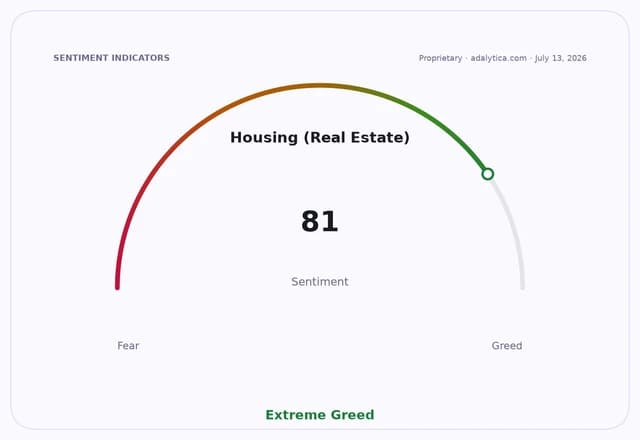
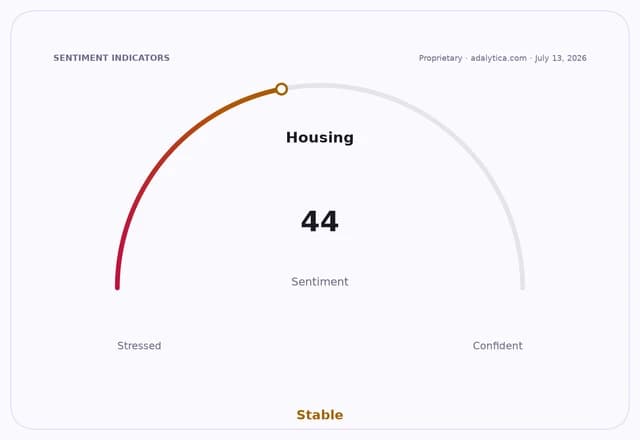
The broader housing backdrop is not uniformly negative. Adalytica’s Housing Fear & Greed Index has rebounded to 81 from 11 just two days earlier, while its rent-inflation gauge sits neutral at 44. That points to a market that is still emotional and data-sensitive rather than stable. But the dominant story is clear: after years of undersupply, the near-term advantage is moving to buyers of finished apartments, while builders and landlords are being forced to compete harder for demand.
For investors, the key catalyst is whether lower mortgage rates and weaker starts eventually tighten the pipeline enough to restore pricing power. If financing costs stay elevated, the current discounting of completed units may spread, supporting occupancy but squeezing margins. If rates fall, the worst of the pressure could pass faster than expected. Either way, the ready-made apartment market is becoming an important early indicator of where housing demand, developer discipline and real estate valuations are headed next.
| Entity | Gains | Losses |
|---|---|---|
| Apartment buyers | ▲Immediate occupancy | ▼Less negotiating leverage later |
| Developers | ▲Faster inventory clearance | ▼Lower margins |
| Multifamily landlords | ▲Stronger lease-up potential | ▼Pricing power on new units |
| Homebuilders/REITs | ▲Selectively from distressed demand | ▼From high financing costs |