Copenhagen apartment prices fall in August
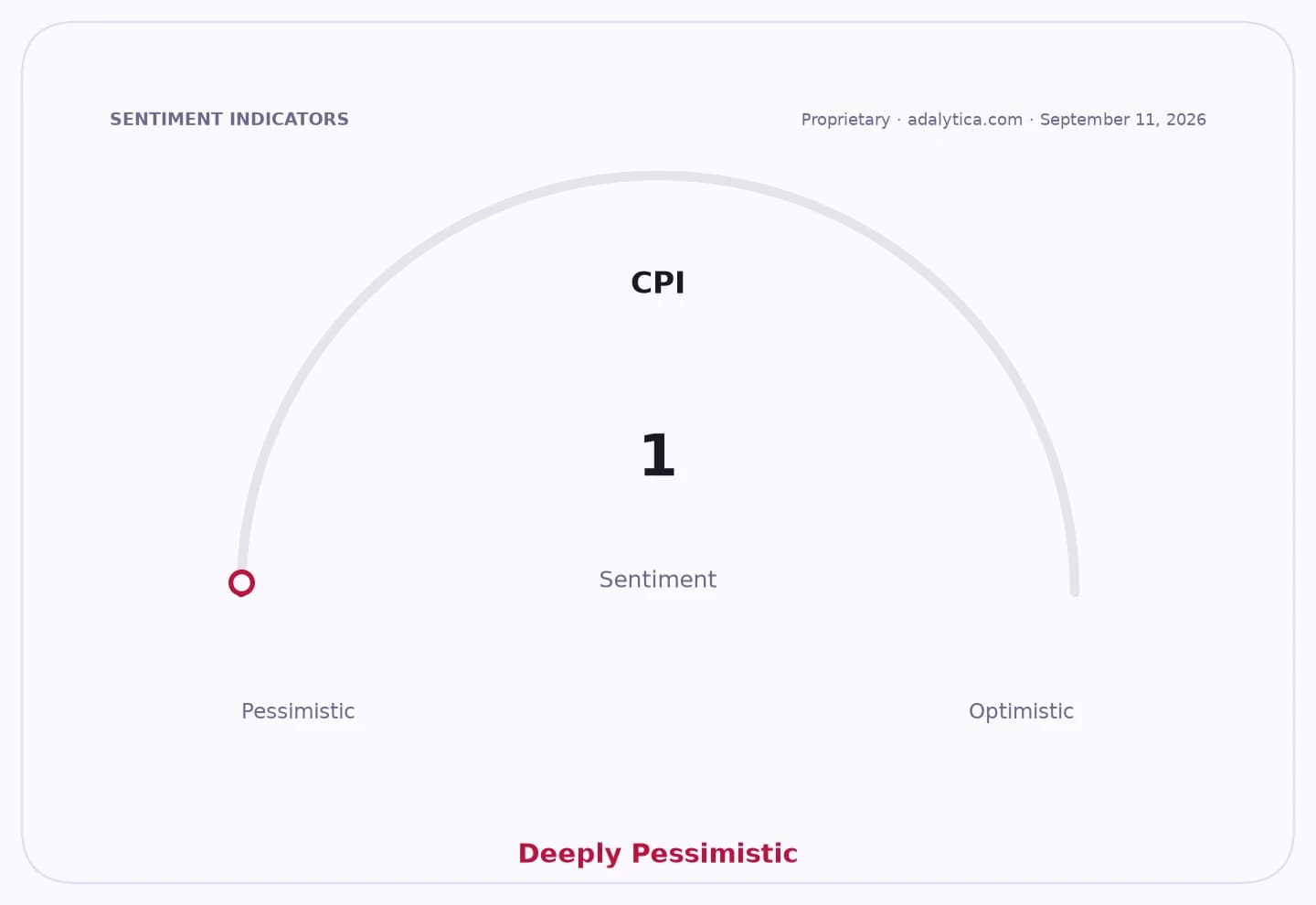
Copenhagen apartment prices fell in August for the first time in nearly 2.5 years, a modest drop that matters because the Danish capital has been setting the pace for the rest of the housing market and now appears to be bumping into buyer resistance after years of rapid gains.
The average price of an apartment in Copenhagen fell by 372 kroner per square meter from July, according to Boligsiden, leaving the average at just above 76,000 kroner per square meter. For a 100-square-meter flat, that is a discount of about 37,200 kroner, but the move is being watched closely because Copenhagen’s housing market is often seen as a canary in the coal mine for the wider market.
Nordea Kredit chief analyst Lise Nytoft Bergmann said the decline is the first concrete sign that the capital’s price run-up has reached buyers’ pain threshold. The timing matters for the economy because housing wealth, consumer confidence and bank lending are all tied to home prices, while a slowdown in the priciest market can ripple through the country’s construction and mortgage sectors.
The cooling comes after a steep surge. In March 2024, the average Copenhagen apartment cost 50,700 kroner per square meter, compared with a little more than 41,000 kroner at the start of 2020. On that basis, a typical 100-square-meter apartment has jumped from 4.1 million kroner to 7.6 million kroner in just over six years.
Boligsiden said fewer apartments are being sold in Copenhagen, supply has risen sharply in recent months and sellers are cutting asking prices more often. The company’s housing economist, Birgit Daetz, said that makes it less surprising that prices are adjusting to a “new reality” rather than extending the earlier pace of gains.
The decline is still small in absolute terms, and prices remain sharply higher year on year, with Copenhagen apartment values up more than 18% over the past 12 months and more than 40% over two years. August was also softer in Frederiksberg, while Aarhus saw apartment prices rise 2%, underlining that the slowdown is currently concentrated in the capital.
For investors, the story is less about the 372-kroner monthly slip than about what it says on the margin: the hottest segment of Nordic housing may be losing momentum, which could temper expectations for developers, mortgage lenders and housing-linked funds. U.S. homebuilder ETFs also reflected broader housing-market stress in recent trading, with the XHB and ITB funds both showing weakness after a sharp summer selloff, while real-estate ETF IYR has also slipped below its 50-day moving average in recent sessions.
The next test is whether the Copenhagen dip turns into a broader normalization or remains a small pause after an extraordinary run-up, with interest rates, listings and sales volumes likely to decide whether August becomes an exception or the start of a cooler phase.
| Entity | Gains | Losses |
|---|---|---|
| Home buyers | ▲Better affordability | ▼Less urgency in bidding |
| Sellers in Copenhagen | ▲Higher realism on pricing | ▼Smaller sale prices |
| Mortgage lenders and banks | ▲Lower default risk if prices stabilize | ▼Slower loan growth |
| Housing investors/developers | ▲Clearer demand signals | ▼Valuation upside eases |