Copper Cools, Aluminium Gains on Fed and Gulf Risks
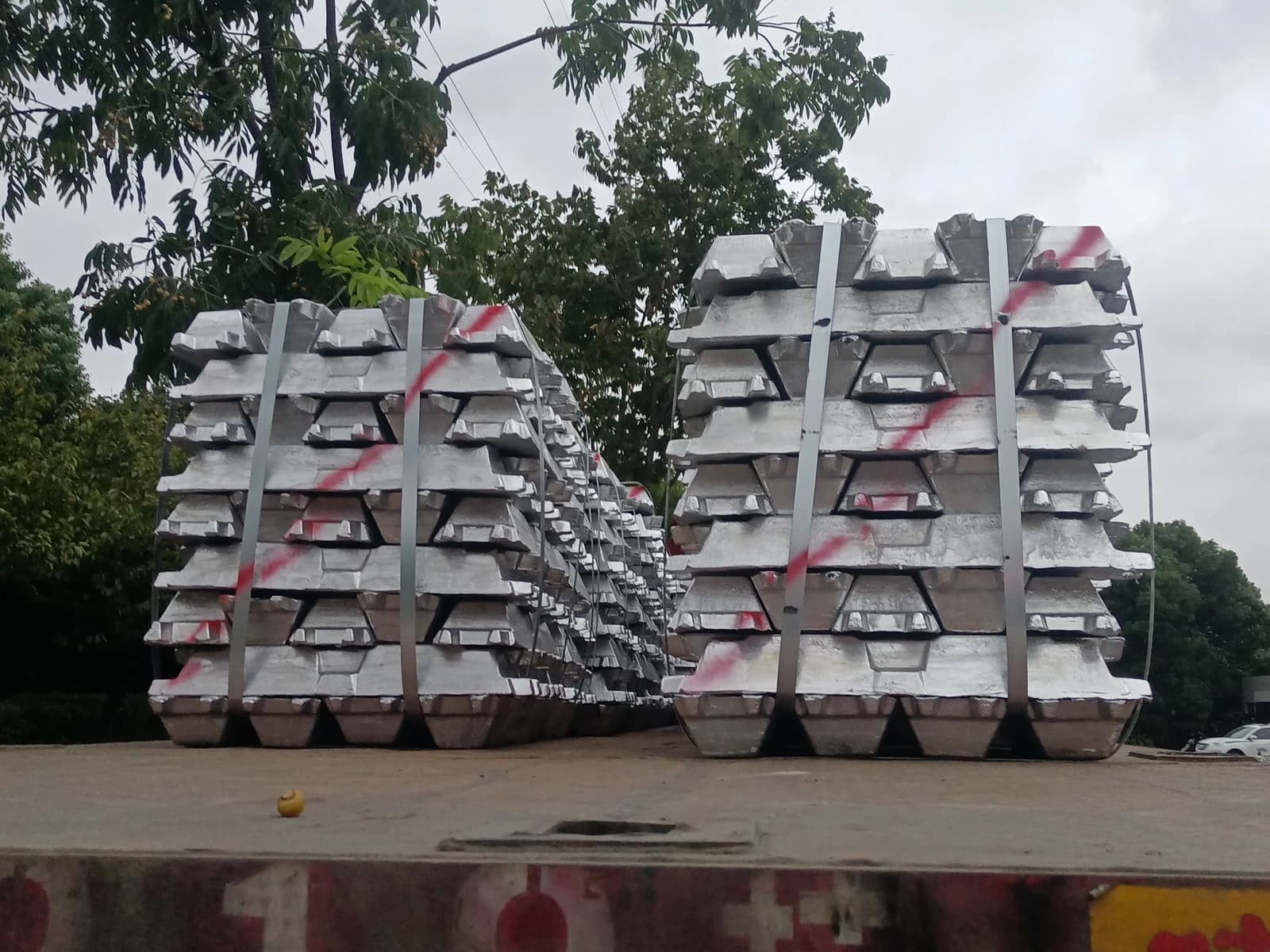
Copper prices eased on Wednesday as traders waited for the Federal Reserve’s next rate decision, but aluminium moved higher on renewed fighting in the Gulf, underscoring a bigger lesson for investors: industrial metals are being pulled between monetary policy and geopolitics, and that tug-of-war is likely to define the sector for months, not days.
That matters because copper is one of the clearest barometers of global growth, while aluminium is increasingly tied to energy costs, shipping routes and regional conflict. When the Fed keeps rates elevated, borrowing costs stay high and that can cool construction, manufacturing and the kind of capital spending that drives copper demand. At the same time, any escalation in the Gulf can quickly lift freight, fuel and supply-risk premiums across aluminium markets, especially when the metal is already sensitive to power prices and trade disruptions.
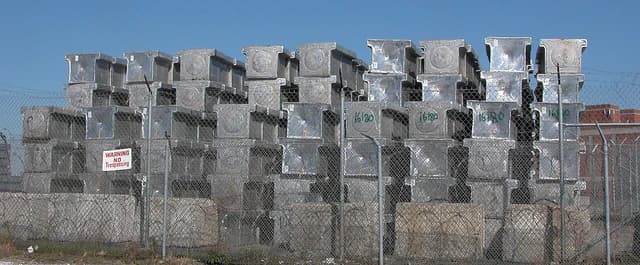
The market tone fits that setup. U.S. 10-year Treasury yields were hovering around 4.69%, with the Fed funds rate forecast at about 3.63%, leaving policymakers plenty of room to keep financial conditions tight if inflation stays sticky. That backdrop is not ideal for cyclical commodities that depend on easier credit and stronger industrial activity. It also helps explain why copper had been softening even after a stretch of strength in other parts of the complex.
Yet the longer-term picture for copper is still constructive. Rio Tinto recently reported its best half-year earnings in four years, helped by strong copper and aluminium production tied to rising energy demand, which is a reminder that short-term price pressure does not erase a powerful structural story. Electrification, grid buildout, data-center expansion and the broader energy transition all point to a world that needs more copper, not less. Investors looking beyond the next Fed meeting should keep that in mind.
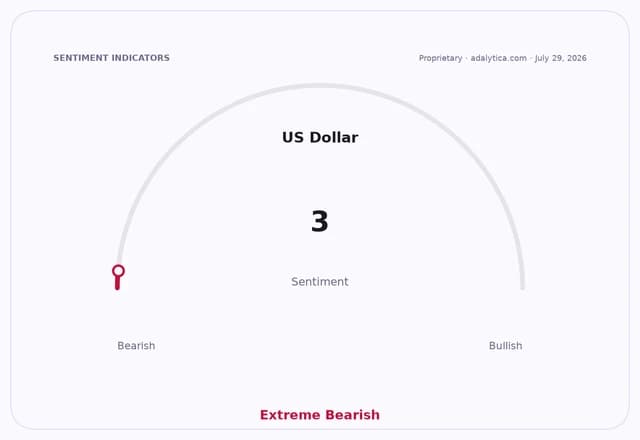
Aluminium has its own attractive setup, though the risk profile is different. Supply is vulnerable to energy shocks, and conflict in the Gulf can ripple through transportation, fuel and industrial input costs very quickly. That can support aluminium prices even when growth is uncertain, because the market is not just pricing demand — it is pricing disruption. For producers with low-cost power and strong balance sheets, that can be a tailwind. For buyers, it can mean a tougher margin environment.
Technical signals suggest both metals are still in the middle of a bigger trend rather than at an obvious turning point. Copper futures around $6.32 a pound are roughly in line with the 50-day moving average, with RSI readings back in neutral territory after a recent pullback. Aluminium around $3,364.75 a tonne remains below its 50-day moving average, showing the recent recovery has not fully repaired the earlier damage. In plain English: the market is cautious, not broken.
For long-term investors, that is often the best kind of setup. The Fed can pressure copper in the near term, and Gulf fighting can jolt aluminium higher in a hurry, but the broader story is that both metals are essential to the next decade of infrastructure, electrification and industrial renewal. That makes the metal complex worth watching, especially for patient investors who prefer durable themes over short-term noise.
| Entity | Gains | Losses |
|---|---|---|
| Copper buyers | ▲Lower near-term input costs | ▼Slower price momentum |
| Copper miners | ▲Long-term demand story | ▼Fed-driven pricing pressure |
| Aluminium producers | ▲Higher risk premium | ▼Supply-chain disruption costs |
| Industrial manufacturers | ▲Cheaper copper if weakness persists | ▼Higher aluminium costs if fighting escalates |