Australian mining stocks sold off after BHP’s surprise copper guidance cut reminded investors that the market is no longer rewarding volume alone.
Copper Guidance Cut Reprices Australian Miners
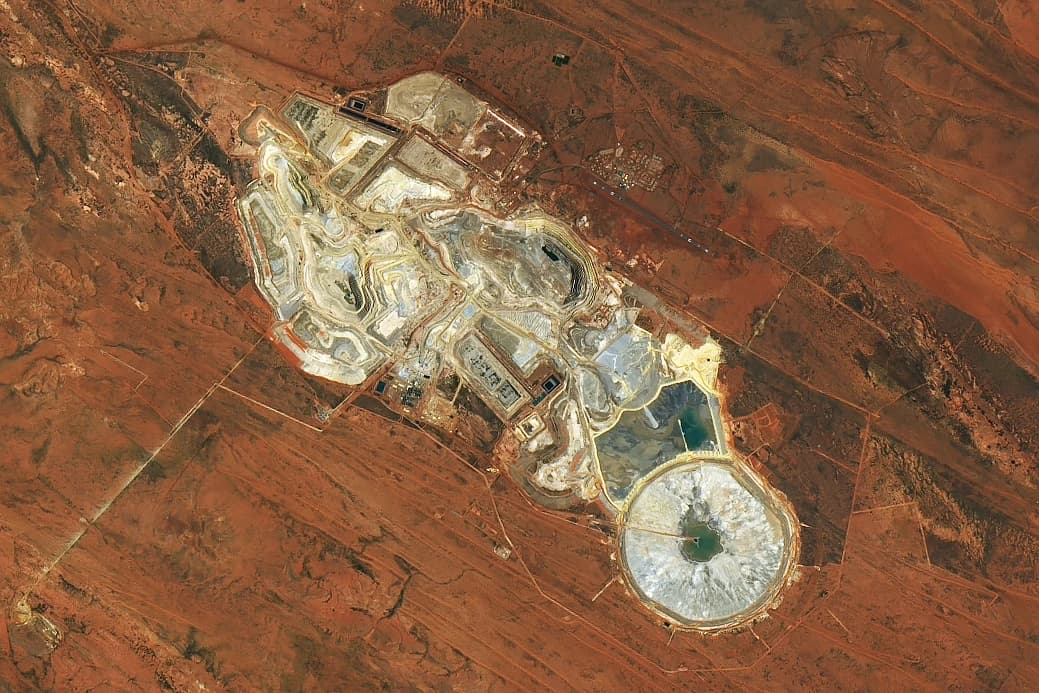
What should have been a clean victory lap for record iron ore output turned into a sharp reassessment of the resources trade, with BHP’s weaker copper outlook eclipsing its operational strength and dragging the broader ASX materials sector lower. The message for investors is simple: in a market obsessed with the next growth engine, copper now matters more than another headline beat in iron ore.
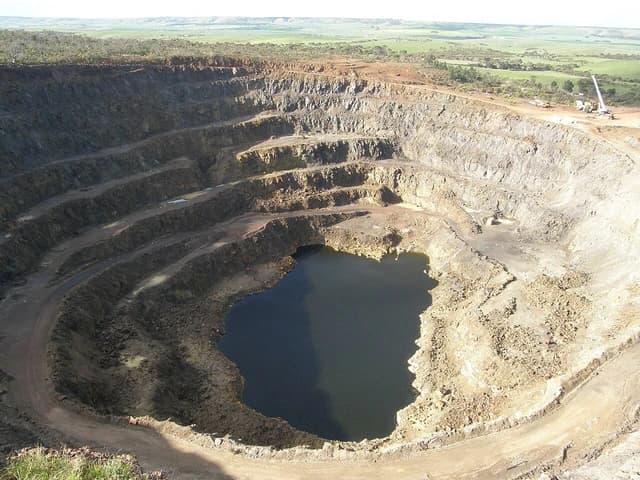
That matters economically because the resources complex remains one of Australia’s most important profit and export engines, and shifts in guidance from a heavyweight like BHP can quickly alter expectations for cash flow, capital spending and dividend capacity across the sector. Even after BHP’s shares recovered to about 85.5 on the latest close, up from 78.3 a week earlier, the stock still sits well below its March peak above 90, showing how quickly sentiment can turn when the mix of commodities changes. Rio Tinto was hit too, with its shares sliding to 93.62 from 99.06 on June 10, despite strong Pilbara iron ore shipments, underscoring that the market is looking through steel raw materials and focusing on longer-duration growth commodities.
Copper is the real strategic battleground. It sits at the center of electrification, AI infrastructure, grid buildout and the capex boom tied to energy transition and data-center expansion. That is why a guidance cut can outweigh record iron ore output: iron ore is cyclical and mature, while copper is the market’s preferred proxy for secular scarcity. If a miner cannot deliver on copper, investors immediately question whether the next leg of earnings growth is intact.
The price action shows how harsh that scrutiny has become. BHP’s recent technical profile had been extended, with its stock trading near the upper end of its Bollinger Bands and its relative strength readings elevated before the pullback, a sign the shares were vulnerable to any disappointment. Rio has seen a similar reversal from overbought levels, and Freeport-McMoRan’s trading pattern suggests the copper trade remains highly sensitive to guidance and production signals across the globe. In other words, the market is repricing the entire complex on copper execution, not just iron ore tonnage.
For investors, the takeaway is to separate the old mining playbook from the new one. The best-positioned names are those with credible copper growth, disciplined capital allocation and optionality into electrification-linked demand. That could favor diversified miners with genuine copper pipelines, selected copper pure plays and, for broader exposure, copper-focused ETFs over the more mature iron ore story. The losers are the companies leaning too heavily on bulk commodities and assuming a strong Chinese-linked iron ore tape will offset weaker forward guidance elsewhere.
The next catalyst is whether BHP can rebuild confidence in its copper trajectory and whether peers can prove their own growth plans are more than slide-deck ambition. Until that happens, I believe the market will keep paying up for copper optionality and punishing miners that cannot deliver it. For investors looking for asymmetric upside, the opportunity is to own the picks-and-shovels of electrification before the consensus catches up.
| Entity | Gains | Losses |
|---|---|---|
| Copper-focused miners | ▲Higher strategic demand | ▼None if execution holds |
| Iron ore-heavy miners | ▲Near-term cash flow | ▼Lower valuation multiple |
| ASX materials bulls | ▲Selective stock-picking edge | ▼Broad sector complacency |
| Copper investors | ▲Secular scarcity thesis | ▼Short-term volatility |