Copper Falls on Strong US Jobs Data
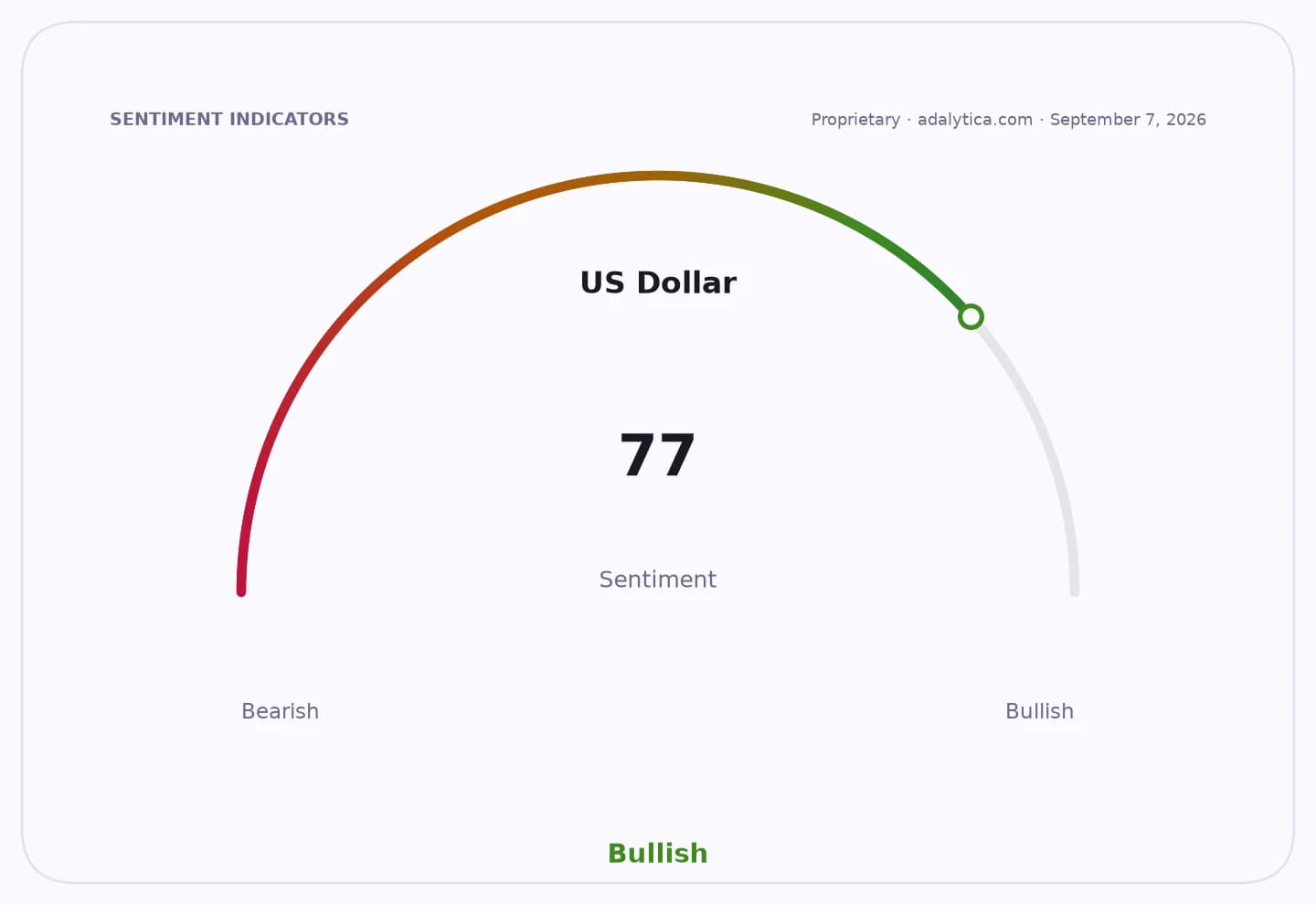
US hiring strength just punched through the market’s dovish copper trade, and that matters because tighter Fed expectations tend to lift the dollar, push up real yields and curb the liquidity conditions that industrial metals depend on.
August nonfarm payrolls rose by 162,000, far above expectations, while unemployment held at 4.1%. That combination kept the Fed in no rush to ease and sent traders lifting the implied probability of a September rate hike to nearly 60%. For copper, the macro message is more important than the single print: when markets reprice higher for US rates, the cost of holding dollar-priced metals rises, speculative length gets less comfortable and upside gets capped even when physical inventories are tight.
That is exactly the tension in the copper market now. LME copper still settled at $14,378.5 a metric ton, up 0.11%, and SHFE copper edged higher to 109,290 yuan a ton, but both markets showed signs of bullish positioning as open interest increased. In China, spot premiums in Shanghai averaged 290 yuan a ton, up 25 yuan, while Guangdong inventories hit another low and premiums continued to climb. Imported cargoes were still commanding warrants around $72 a ton and bills of lading around $75 a ton. In other words, the physical market is not weak — it is just being overpowered, for now, by macro rate pressure.
That’s why the pullback is more interesting than it looks. Copper is sitting at levels that already reflect a powerful demand story tied to electrification, grids, AI data centers and industrial capex. Yet the market is now being forced to reconcile that secular bull case with a more hawkish near-term Fed path. The result is often a “buy the dip” setup, not a broken trend, especially when Chinese spot supply is tight and downstream buying is still driven by restocking rather than liquidation.
The equity winners and losers are lining up around that split. The commodity itself is vulnerable to a stronger dollar, but higher-quality copper producers with low costs and long-life assets can still absorb short-term price pressure better than traders can. Freeport-McMoRan and Southern Copper remain exposed to copper price volatility, yet both sit inside a structurally favorable long-cycle theme if electric power buildouts and AI infrastructure keep pulling on demand. On the other side, near-term copper bulls and import arbitrage players face the squeeze first if the Fed reprices more aggressively.
Bezant Resources’ Hope & Gorob project in Namibia adds another reminder that supply growth is coming, but only gradually. First ore is expected to be processed this month, with commissioning close to completion and the company studying Phase 2 expansion. That kind of new supply is important for the medium term, but it does not offset the immediate macro hit from a hotter US labor market.
For investors, the takeaway is simple: the payrolls surprise may delay the easy-money narrative, but it does not erase copper’s secular demand engine. If anything, it creates a better entry point for long-term capital willing to look through rate-cycle noise and focus on the next leg of electrification, grid investment and AI-driven power demand. The market underestimates how quickly copper can reprice once macro fear passes and the physical tightness reasserts itself.
| Entity | Gains | Losses |
|---|---|---|
| US dollar | ▲Higher-yield appeal | ▼Less trade-sensitive sectors |
| Fed hawks | ▲Stronger case for hike | ▼Dovish easing bets |
| Copper producers | ▲Tight physical premiums | ▼Near-term price momentum |
| Copper bulls | ▲Secular demand thesis intact | ▼Macro-driven longs |