Copper wire makers face softer operating rates
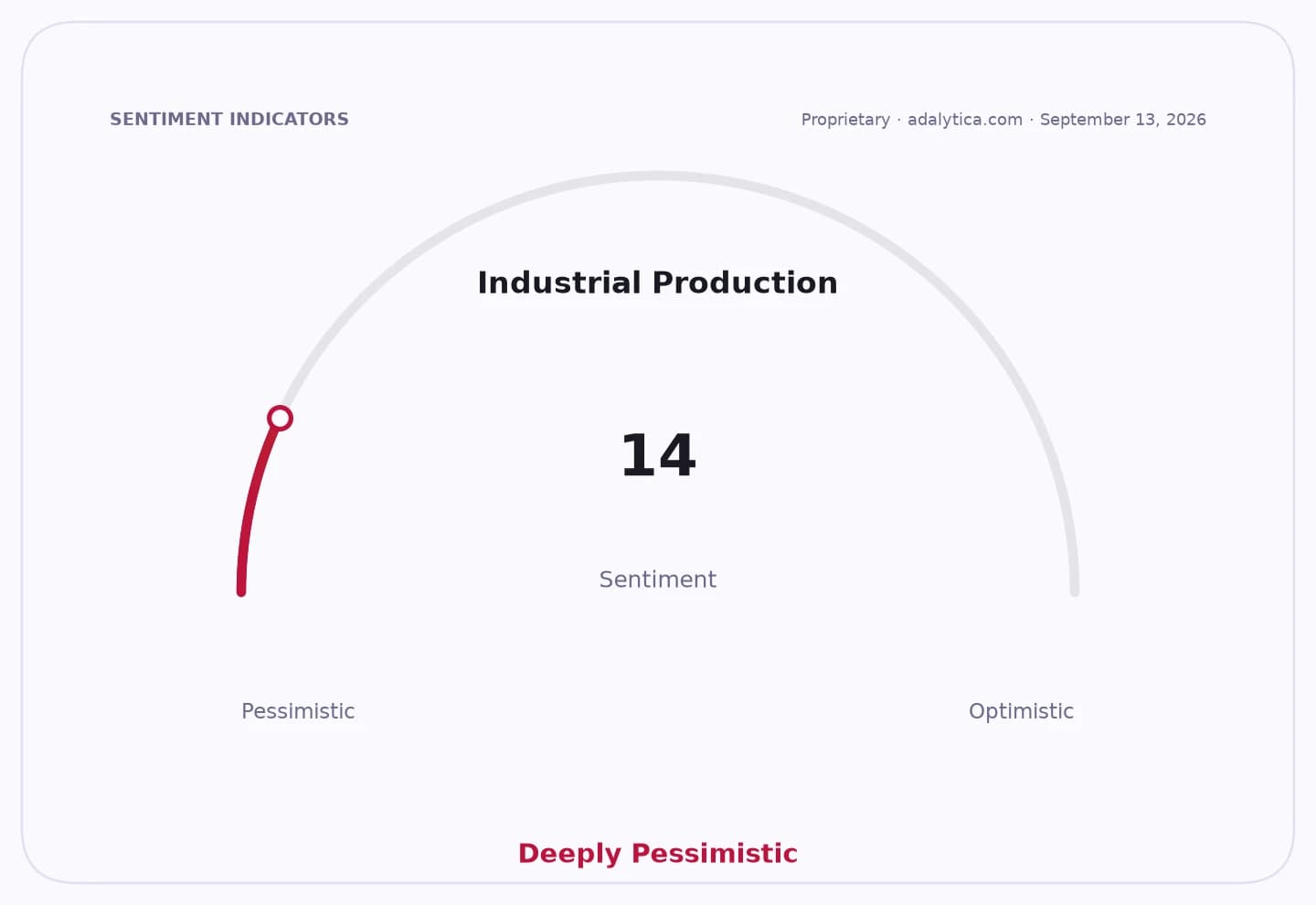
Copper wire and cable producers are heading into mid-September with a slightly softer operating rate as buyers delay procurement in hopes of a modest copper price bounce, underscoring how record-high raw material costs are still squeezing downstream demand.
SMM expects the operating rate for China’s copper wire and cable enterprises to slip 0.3 percentage points week on week to 63.41% in September 11-17, down 2.43 percentage points from a year earlier. The immediate driver is not a collapse in end demand, but a procurement pause: customers are leaning toward just-in-time buying rather than stocking up at current prices because they want to avoid downside price risk.
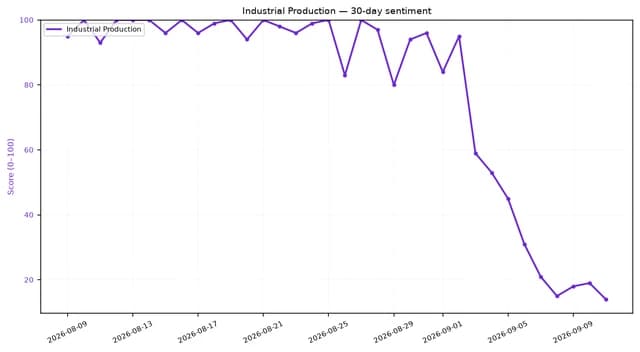
That matters because copper wire and cable is one of the clearest transmission channels from metal prices into industrial activity. When copper rallies sharply, downstream fabricators often see working capital pressure, higher inventory costs and slower order conversion, even if longer-term demand remains intact. In this case, the market is trying to digest copper prices that recently surged to record highs above $14,500 a ton on tariff fears and supply tightness, a move that has made buyers more hesitant to commit.
The near-term setup is a familiar one for copper-intensive manufacturers: if prices rebound further, procurement may improve as clients chase supply before another leg higher. If prices soften, however, buyers could keep waiting, extending the lull in operating rates and putting additional pressure on wire and cable margins. SMM’s forecast suggests the sector is not in distress, but it is operating below normal as volatility distorts purchasing behavior.
For investors, the read-through is mixed. A firmer copper price can support miners and producers with exposure to realized metal prices, while downstream fabricators face margin and volume risk. That is why the market is likely to keep watching not just spot copper, but also tariff policy, inventory behavior and the pace of industrial ordering in China.
The broader narrative is that copper’s supply-driven rally is beginning to bite into end-user demand before any major change in physical availability is resolved. Until pricing stabilizes, downstream buyers may remain cautious, leaving operating rates vulnerable even if the medium-term structural case for copper stays constructive.
| Entity | Gains | Losses |
|---|---|---|
| Copper miners | ▲Higher realized prices | ▼Demand volatility |
| Wire and cable makers | ▲Potential rebound if buyers restock | ▼Lower operating rates |
| Industrial buyers | ▲More time to wait on prices | ▼Risk of higher replacement costs |
| Copper bulls | ▲Tight-supply narrative | ▼Policy-driven pullbacks |