CoreWeave Says Nvidia GPU Demand Still Exceeds Supply
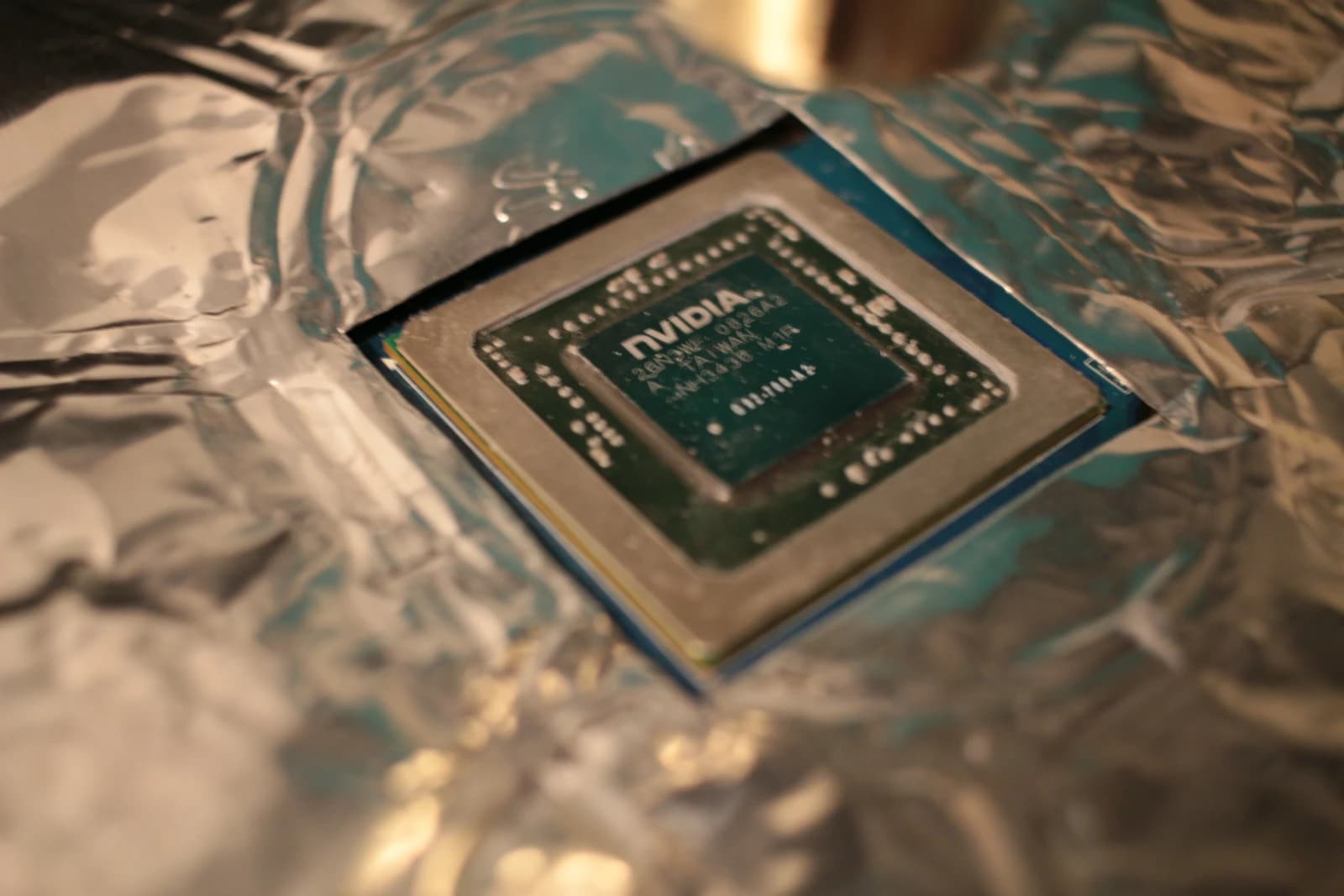
CoreWeave says demand for Nvidia GPUs is still running ahead of supply, underscoring that the AI infrastructure boom is not easing even after months of heavy capital spending across the sector.
Chief Executive Michael Intrator said the neocloud provider is “struggling to meet demand every day” and that every GPU it holds could be sold to multiple customers, a sign that the market for high-end AI compute remains tighter than most investors expected. For Nvidia, that is a direct endorsement of its growth runway: the chipmaker said last month it sees revenue growth of about 70% in fiscal 2028, well above Wall Street’s 45% estimate, and Jensen Huang said growth would be even faster if not for memory chip shortages.
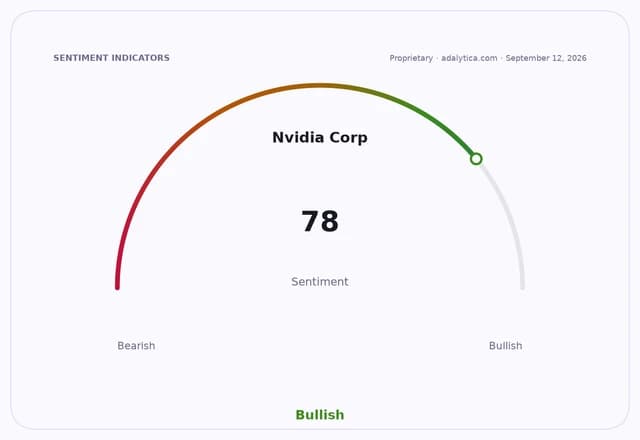
The economics are straightforward. Nvidia is not just CoreWeave’s supplier, it is the backbone of the company’s business, providing 100% of the advanced GPUs in its data centers and holding an 11.5% equity stake. That makes CoreWeave one of the clearest real-world gauges of whether AI infrastructure demand is still outpacing the industry’s ability to build capacity, secure chips and power data centers.
CoreWeave’s latest quarter suggests the answer is yes. Revenue jumped 112% from a year earlier, adjusted operating profit more than doubled to $1.5 billion, and the company lifted full-year 2026 revenue guidance to $12.4 billion-$13.2 billion. It also cited a $104 billion backlog, a figure that points to sustained demand rather than a short-lived burst tied to a handful of large contracts.
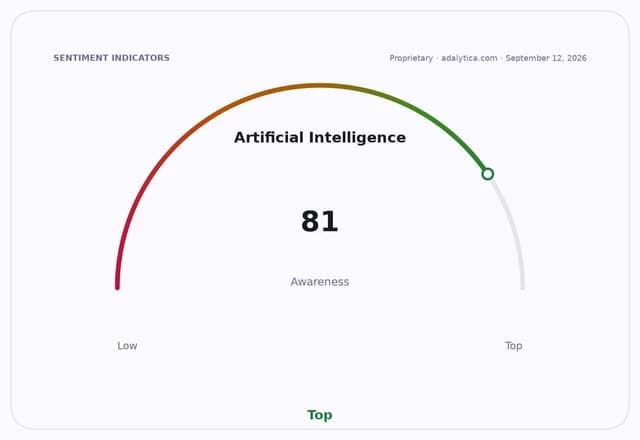
Investors have already begun to price in that strength. CoreWeave shares are up about 40% this year, while Nvidia’s stock has held close to its 50-day moving average after a volatile summer. The market backdrop matters because AI trades have increasingly depended on proof that massive infrastructure spending will translate into durable earnings power, not just revenue growth. CoreWeave’s pricing power — Citi said the company raised prices by 25% across product lines — helps that case.
There is still a bear case. Nvidia’s demand can remain exceptional even as bottlenecks shift to memory, power, land and data-center construction, which may limit how quickly suppliers and customers can convert orders into revenue. CoreWeave itself is exposed to concentration risk because its model is tightly tied to Nvidia hardware and to a still-maturing customer base for AI compute.
But for now, the message from one of Nvidia’s most important customers is that the AI buildout is not slowing. If anything, the constraint is moving from demand to execution, capacity and supply chain execution — a setup that keeps Nvidia, and the infrastructure names built around it, firmly in the center of the market’s AI thesis.
| Entity | Gains | Losses |
|---|---|---|
| Nvidia | ▲Higher GPU demand | ▼Supply shortages persist |
| CoreWeave | ▲Pricing power, backlog growth | ▼Capacity constraints, execution risk |
| AI customers | ▲Access to scarce compute | ▼Higher pricing, longer wait times |
| Short sellers | ▲Potential squeeze risk | ▼Stronger AI demand thesis |