Corn futures fall despite weaker crop conditions
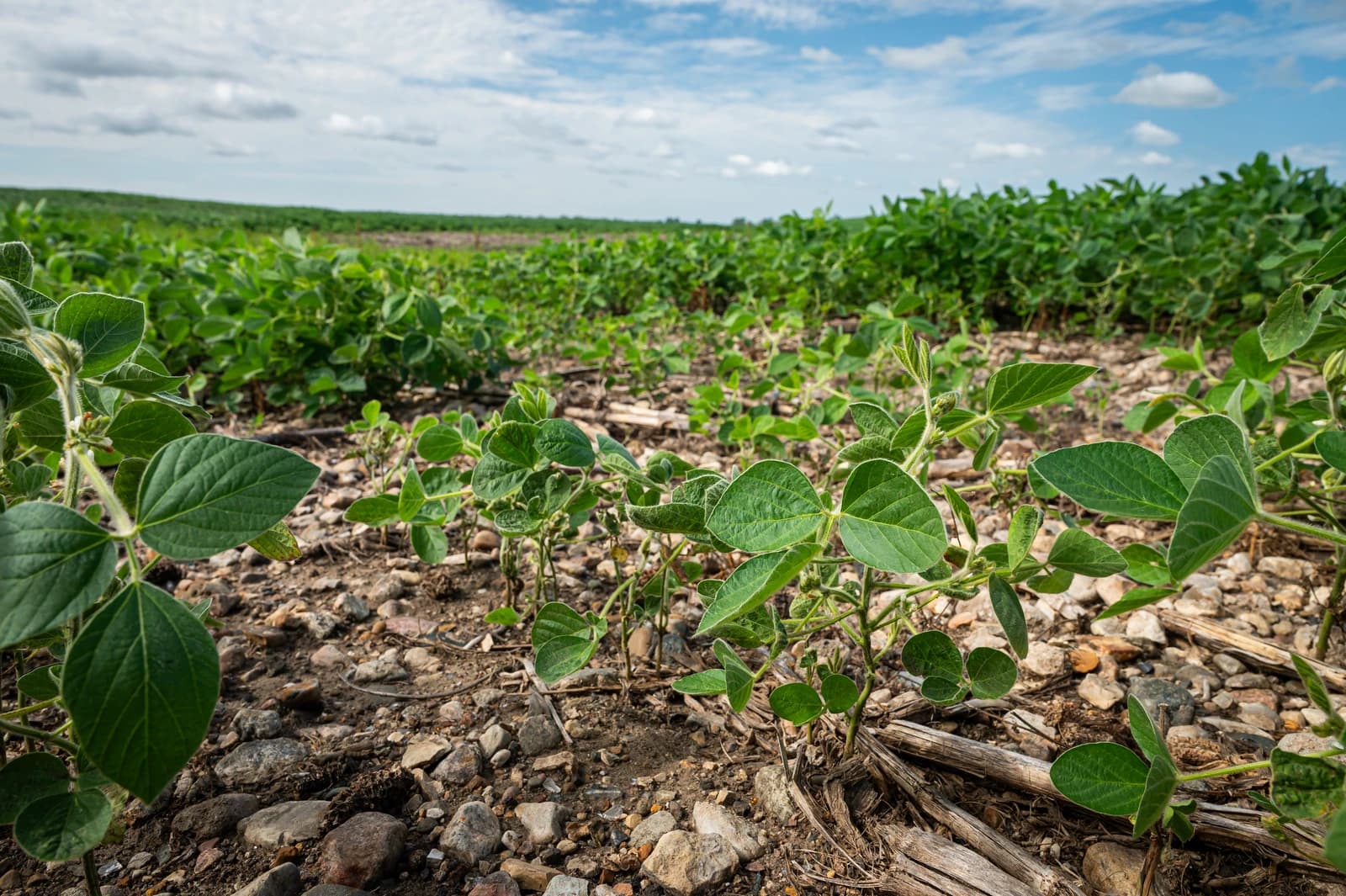
Corn futures fell back into the $17 range even as crop conditions deteriorated, underscoring how much of the market’s focus has shifted from weather risk to the prospect of ample supply and softer energy-linked demand.
The dominant story is not just that U.S. crops are worsening; it is that the market is refusing to price in a sustained shortage. The latest condition snapshot shows 16% of the corn crop rated poor to very poor, while soybean conditions also slipped. Yet nearby corn settled at $17.97 on Aug. 13, down from $18.20 a day earlier, after briefly trading above $18.20 on Aug. 12. Soybean ETF SOYB held at $25.18 after a recent run that took it as high as $26.28 in late July. Wheat ETF WEAT was firmer at $24.36, suggesting grain pricing is still being shaped by crop-specific supply dynamics rather than a broad inflationary bid.

That divergence matters economically because agriculture is running through a familiar squeeze: production risk is rising, but macro signals outside the farm sector are not pointing to a demand shock large enough to reprice the whole complex higher. U.S. producer prices for agricultural commodities remain elevated versus pre-pandemic levels, with the PPIACO index forecast at 289.8 for August, up 2% from July and near its recent highs. But crude oil, a key input for fertilizer, transport and farm economics, was forecast at $87.05 a barrel for Aug. 12 after sharp swings in early August, helping to keep input costs volatile even as grain prices lose momentum. For growers, that leaves margins exposed: yields may weaken, but so may the ability to lock in profitable pricing if futures keep slipping.
For investors, the setup is a test of whether weather damage will outweigh the weight of inventories and technical selling. Corn’s 50-day average at $17.41 is still close to the market, while the 200-day average sits at $17.83, indicating a market that is no longer in a clear uptrend. RSI readings near 42.7 on Aug. 13 point to a loss of upside momentum after the overbought conditions seen in May, when corn traded above $19 and RSI topped 85. In soybeans, the 50-day average of $24.92 remains above the latest close, but the drop in RSI to 27.3 on Aug. 13 shows a market that has cooled fast after July’s surge. That can cut both ways: if crop damage worsens, shorts may be forced to cover quickly; if not, the path of least resistance may remain lower.
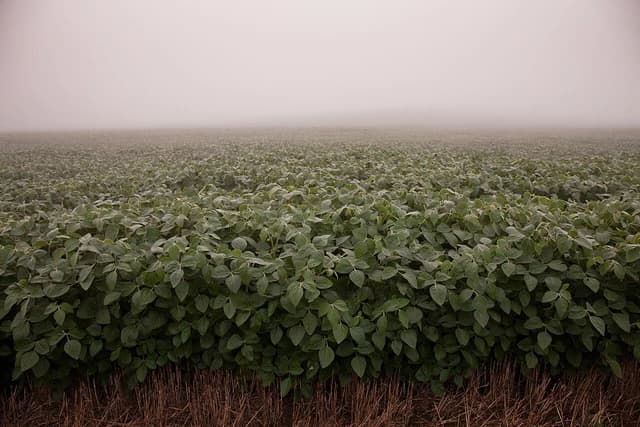
The narrative connecting the move is that weather stress is real, but the market is treating it as a quality-and-yield problem, not yet a full-blown supply shock. Adalytica’s Corn Fear & Greed Index shows extreme fear at 6, even as awareness remains at 96, a combination that usually reflects crowded attention and fragile positioning rather than conviction. That creates opportunity for volatility, especially if further condition downgrades arrive while energy prices stay firm. But it also warns that the market may already have priced enough bad news to absorb another modest deterioration.
The next catalyst is whether the USDA and private crop checks confirm deeper losses than traders are already discounting. If not, grain sellers may keep pressing rallies, while end users and food companies get more room to hedge at lower levels. If soybean and corn conditions keep sliding and export demand holds, the current soft tone could reverse quickly.
| Entity | Gains | Losses |
|---|---|---|
| Grain end users | ▲Lower hedge costs | ▼Less urgency to chase supplies |
| Livestock feeders | ▲Cheaper feed input | ▼Margin pressure if crop losses deepen |
| Corn shorts | ▲Trend remains weak | ▼Risk of weather-driven short cover |
| Farmers | ▲Higher value if shortages intensify | ▼Yield losses and margin squeeze |