Corn futures fall as July inflation risk rises
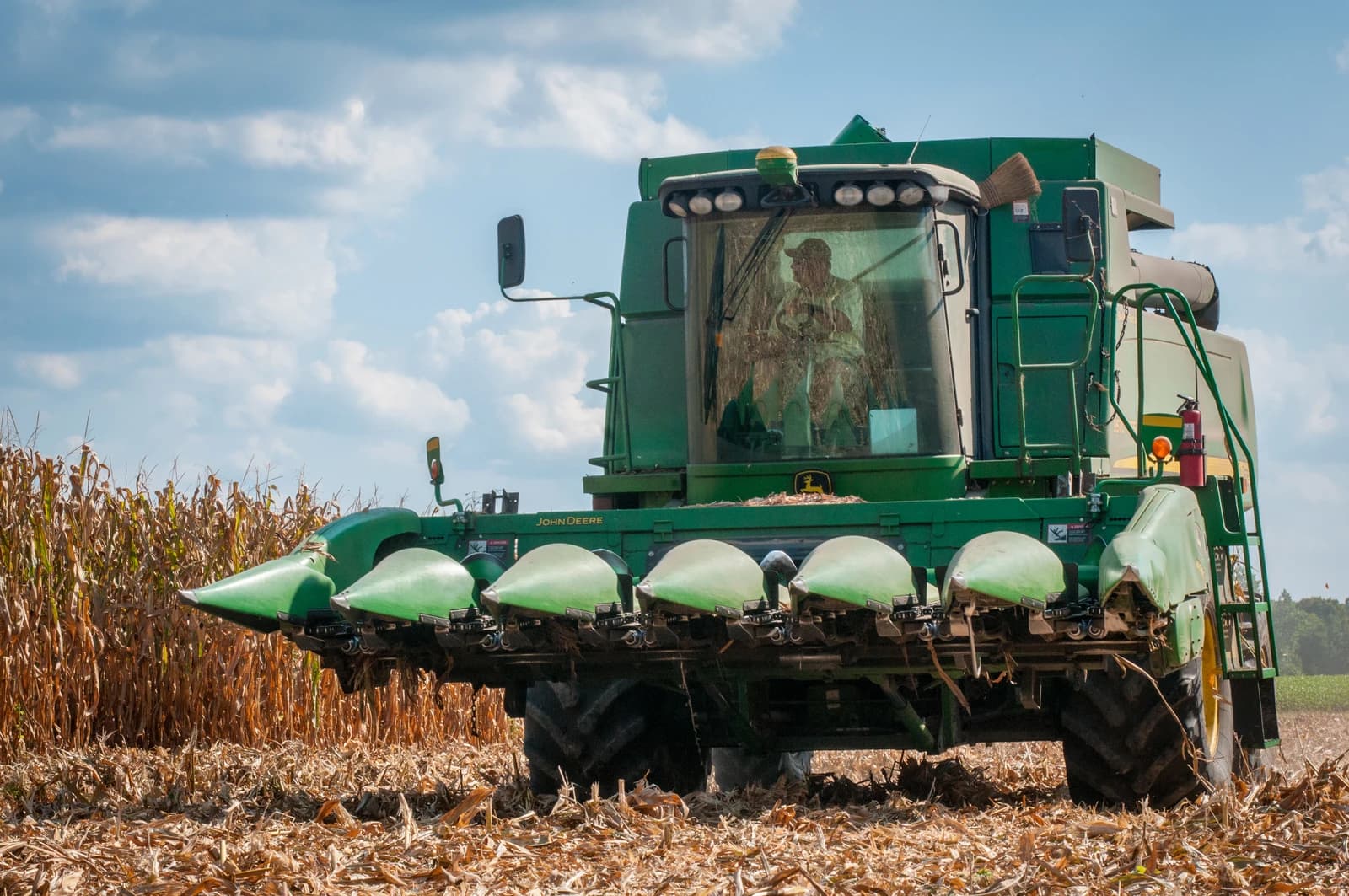
Corn futures and grain ETFs sold off into the latest crop-damage chatter, but the bigger market issue is that any deterioration in the crop now matters less for this week’s price action than for the inflation backdrop it feeds into. With U.S. consumer prices forecast to rise 0.89% in July after a 0.42% decline in June, and producer prices seen rebounding 3.14% after a 1.26% drop, traders are watching whether weather stress and supply disruption can keep food costs sticky just as broader inflation risk re-enters the market.
The signal matters because corn sits at the center of the food and feed chain. A weaker crop can lift costs for livestock producers, ethanol makers and eventually consumers through meat, dairy and processed foods. That is why crop losses tend to matter well beyond the agricultural complex: they can filter into headline CPI, pressure margins for food companies and complicate the Federal Reserve’s task if goods inflation stops fading as expected.
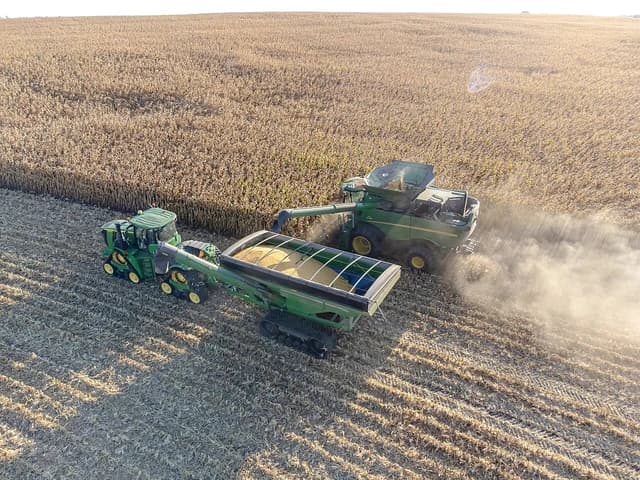
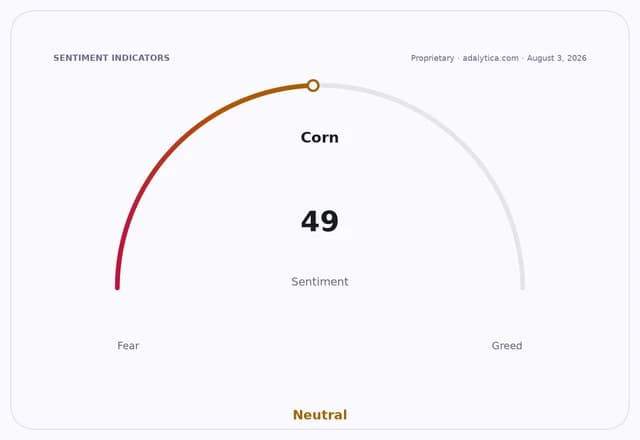
The market has already been pricing in a volatile food backdrop. Corn briefly traded up to $19.12 in early May before sliding to $17.65 by the end of July, while the 50-day moving average has turned lower and the relative strength index has cooled from overbought levels to the low 50s. That kind of technical reset can invite short-term selling, especially when sentiment gauges are no longer extreme. Adalytica’s Corn Fear & Greed Index sits at 49, neutral, after dropping to 33 on July 31 and then recovering, suggesting traders are not fully priced for a panic bid even as crop-risk headlines persist.
Wheat and the broader basket are telling a similar story of volatility rather than outright panic. Wheat ETF WEAT has eased to 23.81 from 26.00 on July 22, while DBA, which tracks a basket of agricultural commodities, has hovered around 27.5 after a spring rally. That points to a market still sensitive to supply shocks but not yet convinced the damage is severe enough to sustain a broad breakout. The latest move in crude oil also matters: WTI near the low $90s, after a sharp reversal from May, reduces some of the inflation impulse from energy but leaves food as a more important watchpoint.
For investors, the question is whether corn damage becomes a local weather trade or a broader macro input. A localized crop scare would favor long grain exposure, food producers with pricing power and inflation hedges. A more limited impact would leave recent gains vulnerable, especially if funds decide the market has already priced in enough risk. The next catalyst is the incoming crop data and any fresh revisions to yield expectations, which will determine whether this is a temporary shakeout or the start of a renewed food-inflation leg.
| Entity | Gains | Losses |
|---|---|---|
| Corn bulls / grain longs | ▲Supply shock upside | ▼Volatility if damage is contained |
| Food and livestock producers | ▲Limited benefit from lower input costs | ▼Higher feed and ingredient costs |
| Consumers / Fed doves | ▲Softer inflation if crops normalize | ▼Sticky food CPI if losses deepen |
| Short corn positions | ▲Quick profit if panic fades | ▼Squeezed by weather-driven rally |