Corteva, FMC, ADM in drought-driven farm demand shift
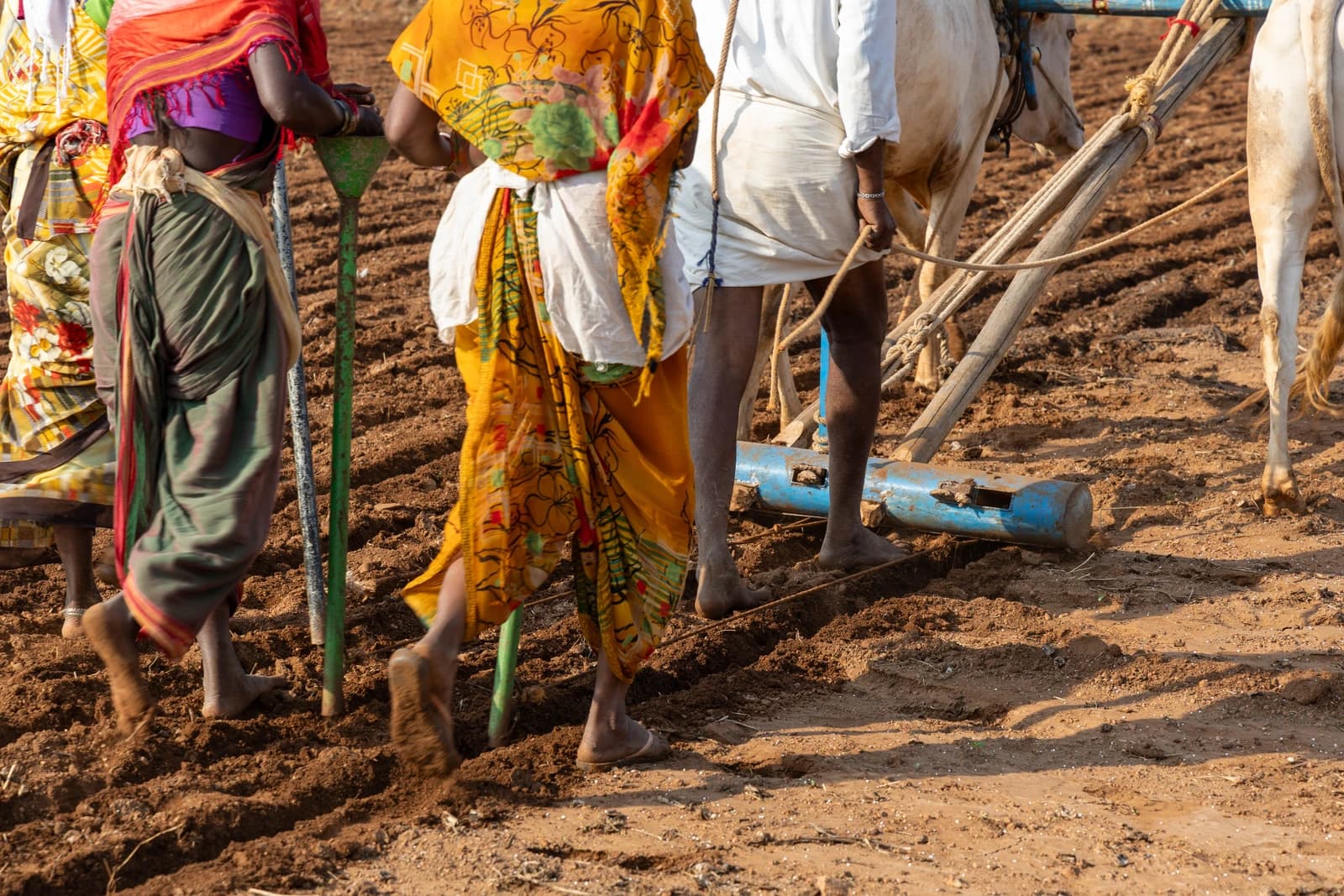
Farmers facing receding rains and falling wells are staring at a second-order shock that could cut seed, crop-protection and grain-trading demand just as the global agriculture cycle is already under strain. The immediate risk is not only lower groundnut and cotton output, but a wider hit to farm income that can ripple through input suppliers, commodity processors and food prices.
That is why the drought story matters far beyond the field. When irrigation wells run low, growers are forced to delay planting, trim acreage or spend more to save weaker crops, and that usually means less appetite for herbicides, insecticides, seed upgrades and machinery. It also raises the odds of crop loss, tighter local supplies and more volatile procurement economics for buyers up and down the food chain.
The market is already pricing some of that stress into agriculture names. FMC shares have collapsed to $11.53 from the low $30s less than a year ago, underscoring how quickly grower economics can unravel when demand and pricing weaken at the same time. ADM, by contrast, has held near $81.29, but the grain and oilseed giant remains exposed to crop shortages, trade flows and government support decisions that can swing merchandising margins. Corteva has been the relative winner, rising to $84.63 and staying above both its 50-day and 200-day moving averages, but even a stronger balance sheet cannot fully escape a prolonged drought that suppresses farmer spending.
What the market underestimates is that drought does not hit agriculture evenly. It tends to punish the most commoditized suppliers first, while rewarding the companies with pricing power, deep dealer networks and exposure to climate-resilient products. In other words, this is not just a weather headline — it is a capital-allocation story inside global agriculture, where scarce water forces a migration toward higher-yield seed, precision inputs and drought-tolerant traits.
The broader macro backdrop makes that shift more important. A severe drought can squeeze rural incomes, lift food inflation and increase pressure on governments to deliver relief payments or emergency water support. That can cushion farm balance sheets in the short term, but it rarely restores lost acreage or damaged yields quickly enough to help upstream suppliers with near-term volumes. For investors, that means the earnings risk is concentrated in names tied to discretionary farm spending, while the better long-term opportunity sits with companies selling resilience rather than volume.
If you want the asymmetric trade, own the toll roads of agricultural adaptation, not the most vulnerable commodity exposure. Corteva looks better positioned than FMC to benefit from a farmer flight to higher-performing genetics and crop protection, while ADM remains a hedge on tightening supplies and policy-driven volatility. The next catalyst will be whether the drought broadens, forcing more acreage cuts and government intervention. Until then, the market should treat dry wells as more than a weather event — they are a warning that agriculture capex is about to get much more selective.
| Entity | Gains | Losses |
|---|---|---|
| Corteva | ▲resilience demand | ▼none immediate |
| FMC | ▲none | ▼grower spending |
| ADM | ▲crop scarcity volatility | ▼farm output |
| Farmers | ▲relief aid | ▼yields, income |