Costa Rica Debt Dispute Over CCSS Liability
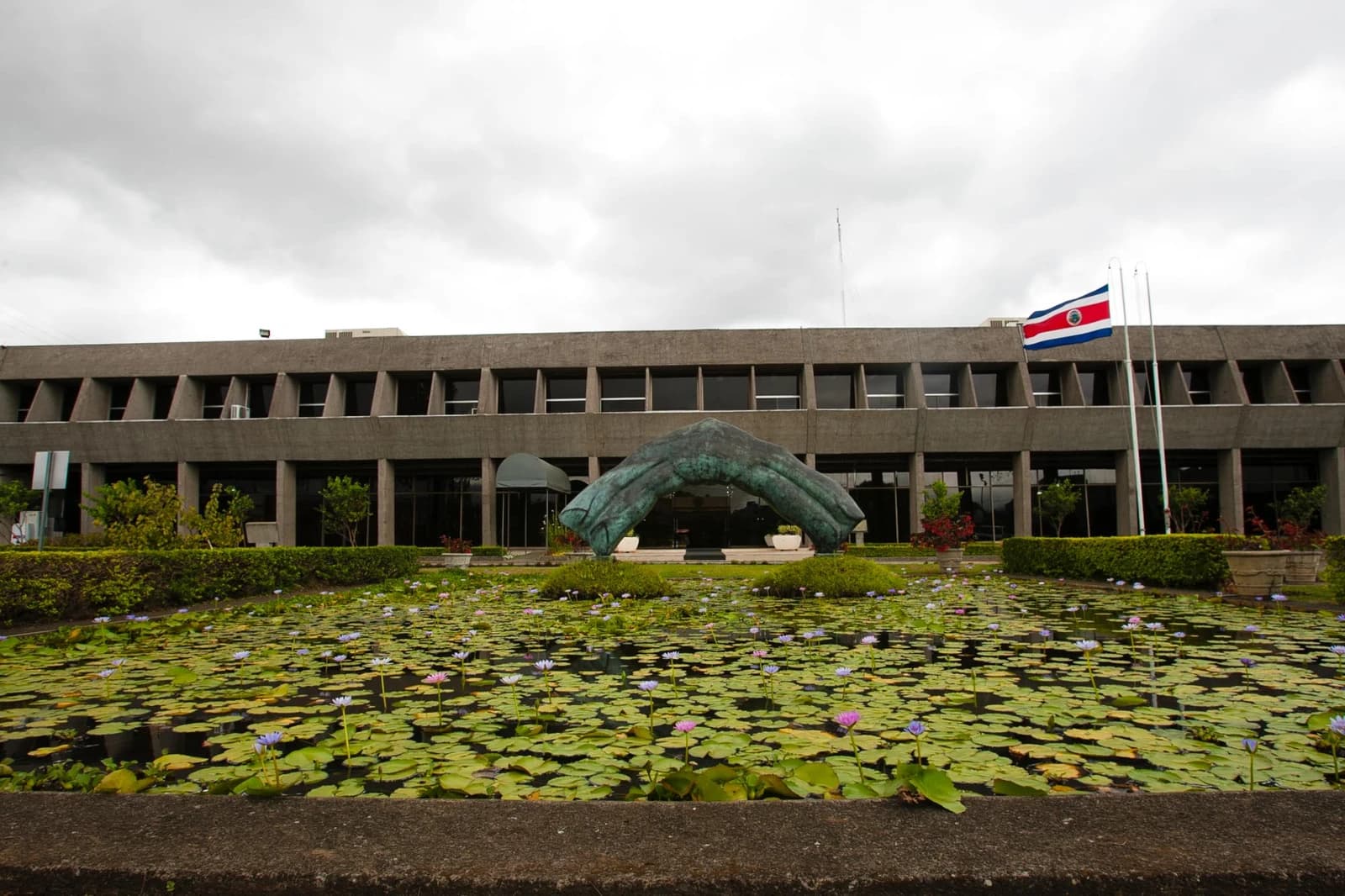
Rodrigo Chaves’ admission that Costa Rica cannot reconcile its debt with the CCSS because “the documents do not exist” has turned a long-running accounting dispute into a much larger fiscal credibility problem, with the public-sector obligation to the country’s social security fund standing at ¢4.4 trillion as of May 2025.
That matters because this is not just a bookkeeping disagreement. It goes to the heart of how much debt Costa Rica really owes, how quickly it can normalize relations with the state pension and health system, and whether the government can present a clean balance sheet to investors, rating agencies and multilateral lenders. When a government cannot verify the basis for a liability of that size, the issue stops being technical and becomes a test of institutional trust.
The CCSS, one of Costa Rica’s most important public institutions, relies on timely state transfers to keep benefits and health services functioning. A persistent dispute over arrears raises the risk of funding strain, slower settlement of claims and a broader political fight over who absorbs the fiscal cost. For bondholders, the problem is not an immediate default event but a signal that the sovereign’s liabilities may be messier, and potentially larger, than headline debt figures suggest.
Costa Rica is already operating in a global environment where higher sovereign borrowing costs have made debt transparency more valuable, not less. The U.S. 10-year Treasury yield was recently around 4.75%, while the 2-year was near 4.34%, underscoring how expensive it has become for governments to borrow when markets demand more compensation for fiscal risk. In that setting, unresolved obligations to a domestic social-security system can weigh on financing flexibility and on the premium investors require to hold local debt.
The market implication is straightforward: the longer this dispute lasts, the more it reinforces the view that Costa Rica’s fiscal story is about credibility as much as arithmetic. A government that cannot document a major liability may find it harder to negotiate future spending, debt restructuring or tax measures without confrontation. That in turn keeps pressure on sovereign spreads and on any domestic issuers tied to the state’s balance sheet.
For investors, the key question is not whether ¢4.4 trillion is immediately paid tomorrow. It is whether the stalemate forces a cleaner audit trail, a formal recognition of arrears, or a broader fiscal settlement that clarifies the state’s true obligations. If the government is eventually compelled to acknowledge the debt, the headline liability burden rises. If it does not, institutional uncertainty deepens. Either outcome matters for Costa Rica’s credit profile.
The opportunity here is in watching for the first credible step toward resolution. Until then, the CCSS dispute should be treated as a warning that Costa Rica’s fiscal headwinds are not just about deficits, but about undisclosed or disputed obligations that can reprice sovereign risk quickly once markets stop giving the government the benefit of the doubt.
| Entity | Gains | Losses |
|---|---|---|
| CCSS | ▲stronger claim for payment | ▼delayed settlement |
| Costa Rica government | ▲political room in the short term | ▼fiscal credibility |
| Bondholders | ▲possible clarity if resolved | ▼higher sovereign risk premium |
| Taxpayers | ▲eventual transparency | ▼potential future liability burden |