Costco Plans 10 New Store Openings
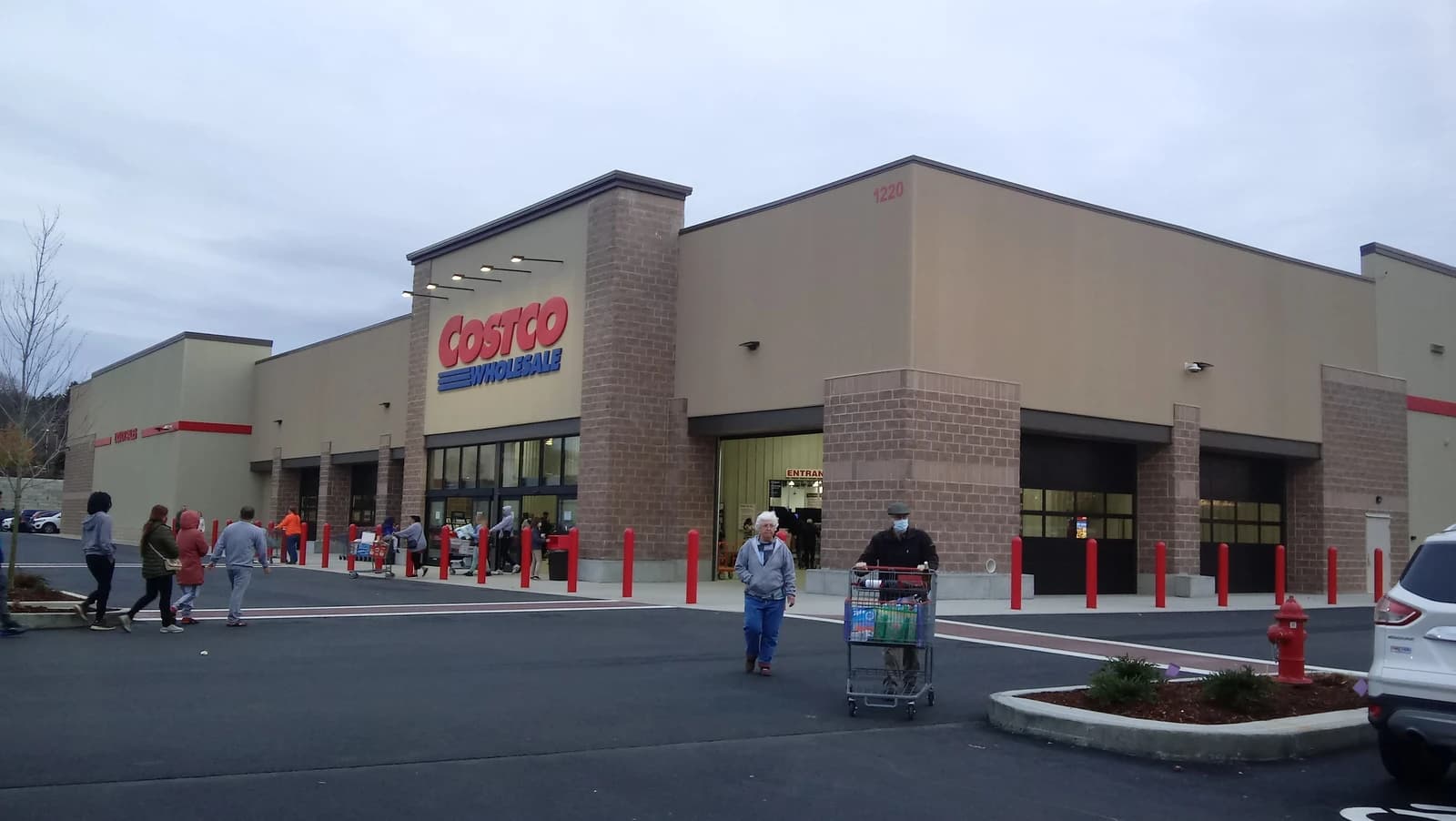
Costco is about to do what it has done so well for decades: keep building. The warehouse club operator has 10 new stores slated to open over the next two months, a steady expansion push that matters because Costco’s long-term growth story still rests on the same simple formula — add warehouses, deepen membership loyalty and let scale do the heavy lifting.
For investors, that makes this more than a ribbon-cutting exercise. New stores expand Costco’s reach into more trade areas, support membership fee growth and give the company another way to compound sales without relying on flashy promotions or risky merchandising bets. In a consumer backdrop that still looks uneven, that kind of disciplined expansion is exactly what long-term shareholders want to see.
The openings also reinforce why Costco has become one of retail’s most durable business models. A warehouse club can take years to mature, but once it establishes itself in a market, it can generate recurring traffic from households and small businesses that treat the membership as a habit rather than a one-time purchase. That recurring model is a big reason Costco continues to trade like a premium growth stock even though it sells everyday essentials.
The locations themselves will matter less than the message behind them: Costco is still finding room to grow in the United States and abroad. That is important in a sector where scale, supply-chain efficiency and buying power can determine who wins the next decade of retail. More warehouses mean more leverage with suppliers, more chances to spread fixed costs and more opportunities to keep prices sharp enough to hold the value edge that keeps members coming back.
That edge has helped Costco outperform many traditional retailers, and the stock’s long-term trajectory has reflected it. Even after recent volatility, the shares remain well above the 50-day moving average, underscoring that investors still view Costco as a defensive growth compounder rather than a cyclical retailer. Momentum can cool, but the underlying thesis has not changed: if Costco keeps opening stores, growing memberships and protecting its pricing power, earnings can keep compounding for years.
Of course, new stores are not free. Expansion costs money upfront, and not every new warehouse will mature at the same pace. But Costco has earned the benefit of the doubt because it has repeatedly shown it can grow without diluting the brand. For investors building a long-term portfolio, that is the kind of business worth watching — and, for patient shareholders, worth owning.
| Entity | Gains | Losses |
|---|---|---|
| Costco | ▲More members, sales growth | ▼Higher opening costs |
| Members | ▲More locations, better access | ▼Limited near-term |
| Competitors | ▲— | ▼More warehouse competition |
| Long-term shareholders | ▲Compounding revenue base | ▼Near-term margin pressure |