Costco adds DoorDash and Uber Eats grocery delivery
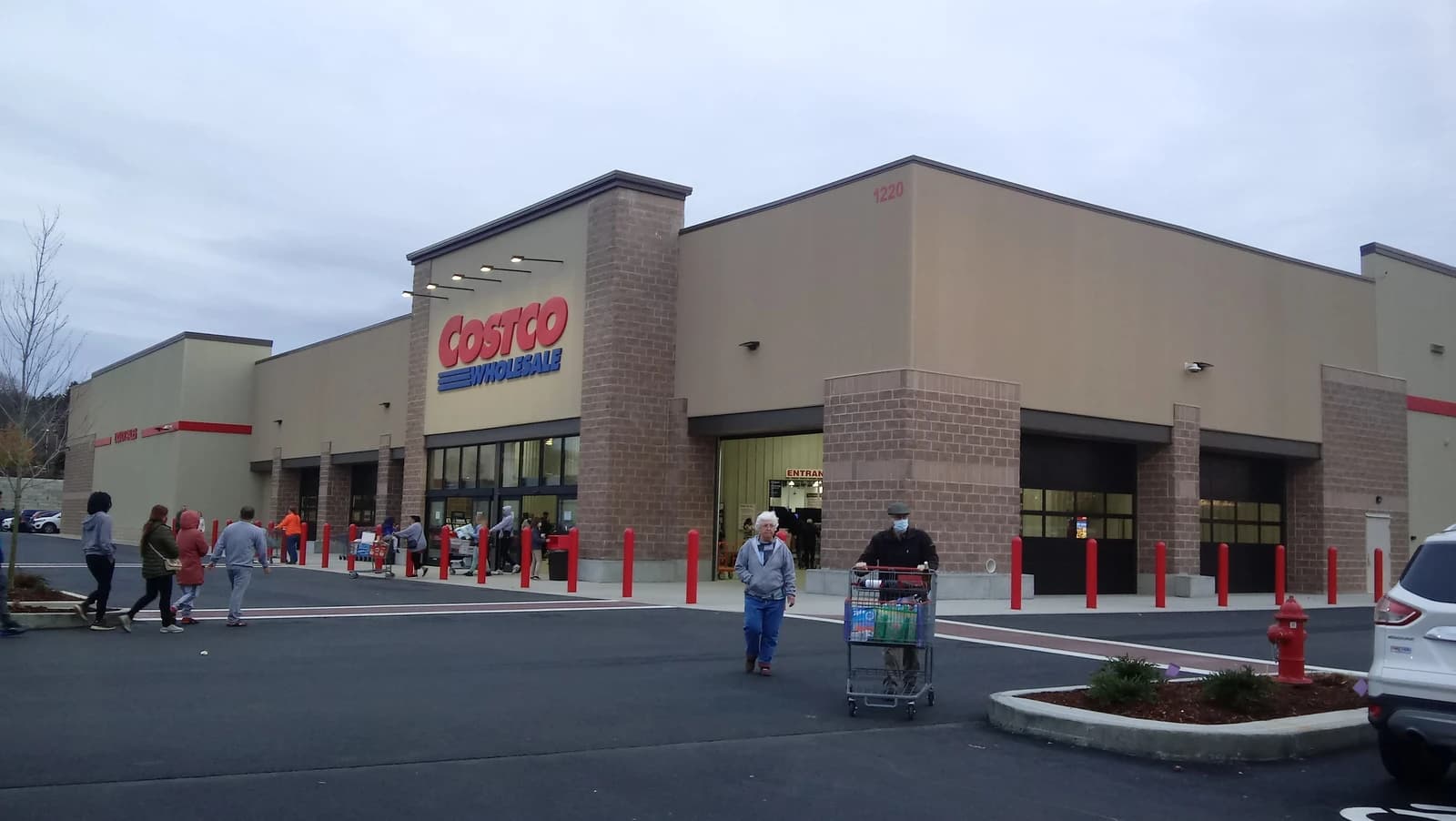
DoorDash and Uber Eats are deepening their push into grocery delivery with Costco, a move that broadens the addressable market for both apps just as the U.S. labor market continues to show unusual resilience.
Costco said Thursday it will offer delivery from all of its U.S. warehouse clubs through DoorDash, giving the San Francisco-based platform nationwide access to one of the country’s most searched retailers that had not yet been on its U.S. marketplace. Uber Eats, meanwhile, is also expanding its grocery reach in a category where delivery companies have been racing to turn frequency and basket size into steadier profit streams.
The partnership matters because groceries and household essentials are among the few delivery categories that can generate repeat orders and higher retention, helping DoorDash and Uber Eats move beyond restaurant meals, which remain more exposed to discretionary spending swings. Costco’s 81 million members worldwide also give the apps a ready-made base of high-value shoppers, while the warehouse chain gains another distribution channel without having to build out its own last-mile network nationwide.
The deal adds to a broader retail delivery shake-up that has accelerated since DoorDash and Uber Eats announced partnerships with Kroger last fall. For Costco, the tie-up extends its digital reach at a time when warehouse clubs are competing harder on convenience as well as price. For the delivery companies, it is evidence that the battle for U.S. consumer spending is shifting toward everyday essentials, where order cadence is higher and basket economics can be more attractive than sporadic takeout.
The labor-market data released alongside the announcement reinforced the backdrop of steady household spending power. Initial jobless claims dropped to 196,000 last week from 206,000, the lowest since mid-July and below economists’ expectation of 207,500. The four-week average fell to 203,250, underscoring that layoffs remain rare even as hiring has slowed.
That combination — durable employment and a premium retail partnership — is supportive for consumer-facing platforms because it suggests shoppers have the income stability to keep using delivery services for essentials, not just convenience purchases. It also helps explain why investors have been willing to reward scale-driven expansion in grocery and retail delivery, even as the sector still faces pressure to prove that growth can outpace the cost of fulfillment and incentives.
DoorDash shares have been volatile, with recent price action showing the stock trading far below its 50-day moving average and in technically oversold territory at points this month, reflecting how quickly sentiment can shift around growth and margin expectations. Uber shares have also backed off from recent highs. The Costco tie-up, however, gives both companies a clearer path to higher-order-value transactions, which is what investors will watch as they judge whether the expansion into grocery can deepen engagement without further eroding profitability.
The key question now is execution: whether DoorDash and Uber Eats can convert marquee retail partnerships into durable volume, and whether consumers will keep spending through a labor market that is still healthy but no longer accelerating. If they can, Costco delivery could become another sign that delivery apps are evolving from convenience platforms into broader local commerce networks.
| Entity | Gains | Losses |
|---|---|---|
| DoorDash | ▲More grocery volume | ▼Restaurant-only dependence |
| Uber Eats | ▲Broader retail mix | ▼Slower category diversification |
| Costco | ▲Wider digital reach | ▼More dependence on third-party delivery |
| Consumers with jobs | ▲More convenient shopping | ▼Higher delivery fees |