Costco Wholesale’s potential move away from its planned Kansas City location matters because it would likely be driven less by geography than by economics: the warehouse club is signaling it can make more money elsewhere, even if that means walking away from a market opportunity.
Costco Kansas City Shift Signals Disciplined Growth
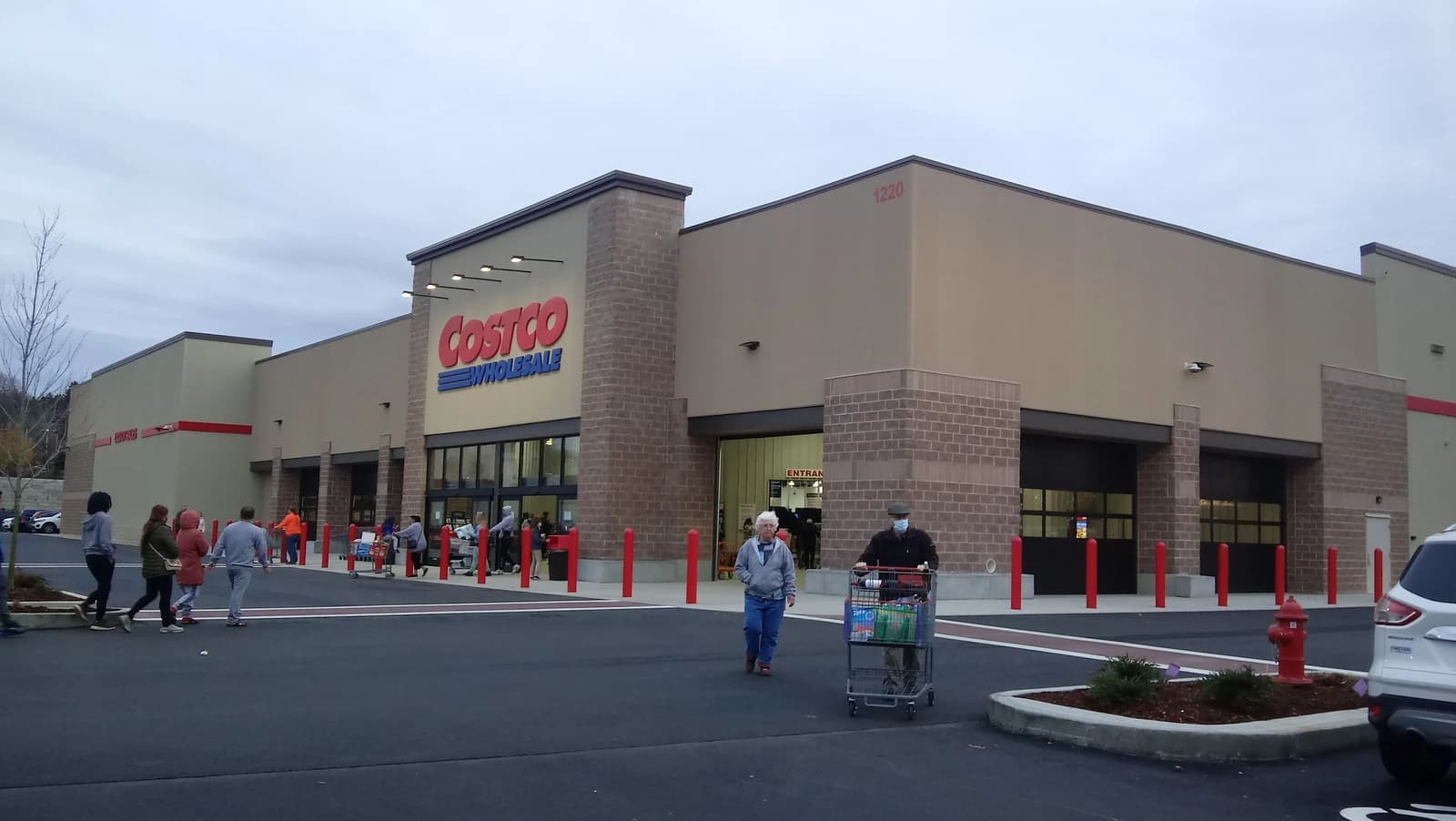
For investors, that is the key read-through. Costco has long been valued on disciplined expansion, not blanket store growth, and management’s willingness to rework a site plan underscores how closely it weighs returns on new square footage against the risk of cannibalizing existing sales. The company’s own filings say warehouse openings can hurt nearby locations, and that profitability depends on the operating leverage of each store, a reminder that not every new address is accretive.
Sentiment IndicatorsⓘProprietary · adalytica.com · July 13, 2026
This is a snapshot — live sentiment, awareness and momentum for 130+ markets update continuously in the dashboard.Open AlphaPulse
That calculus is important in a business where margins are thin and volume does the heavy lifting. Costco has repeatedly shown it can lift earnings through membership renewals, careful price management and selective expansion, but the downside of overbuilding is real: more stores can dilute sales at existing units, especially in mature U.S. markets where growth is slower and competition is intense.
The stock has been volatile even as the long-term thesis remains intact. Costco shares have pulled back from a spring peak above $1,090 to the low $900s in recent sessions, leaving the stock below its 50-day moving average and with relative strength readings that point to a market still searching for conviction. That weakness does not change the fundamentals, but it raises the bar for any new capital deployment, particularly if the company sees better economics in alternative sites than in Kansas City.
The broader retail backdrop also helps explain the timing. Consumer spending sentiment remains elevated, but the market is increasingly rewarding operators that can protect margins rather than simply chase footprint growth. Walmart’s recent results show how much investors are scrutinizing scale, pricing and traffic quality; Costco faces a similar test, but with a model that depends even more heavily on maintaining dense volumes and member loyalty.
A Kansas City pivot would therefore not be a sign of retrenchment so much as a confirmation of Costco’s preferred playbook: preserve return on invested capital, avoid self-inflicted cannibalization and keep expansion targeted. The bull case is that this discipline protects long-term earnings power and supports the premium valuation. The bear case is that selective delays can signal tougher site economics in an era of higher real-estate, labor and construction costs.
For investors, the next question is whether the move reflects one isolated site decision or a broader willingness to be more selective in U.S. growth markets. If it is the latter, Costco’s expansion story may become less about store count and more about margin quality, membership yield and where the company believes each incremental warehouse can still earn its keep.
| Entity | Gains | Losses |
|---|---|---|
| Costco | ▲Higher store returns | ▼Faster footprint growth |
| Existing nearby warehouses | ▲Less cannibalization | ▼Less local traffic spillover |
| Shareholders focused on ROIC | ▲Better capital discipline | ▼Fewer near-term openings |
| Kansas City site/local officials | ▲Possible future deal clarity | ▼Delayed development |