Costco Kirkland and the private-label premium
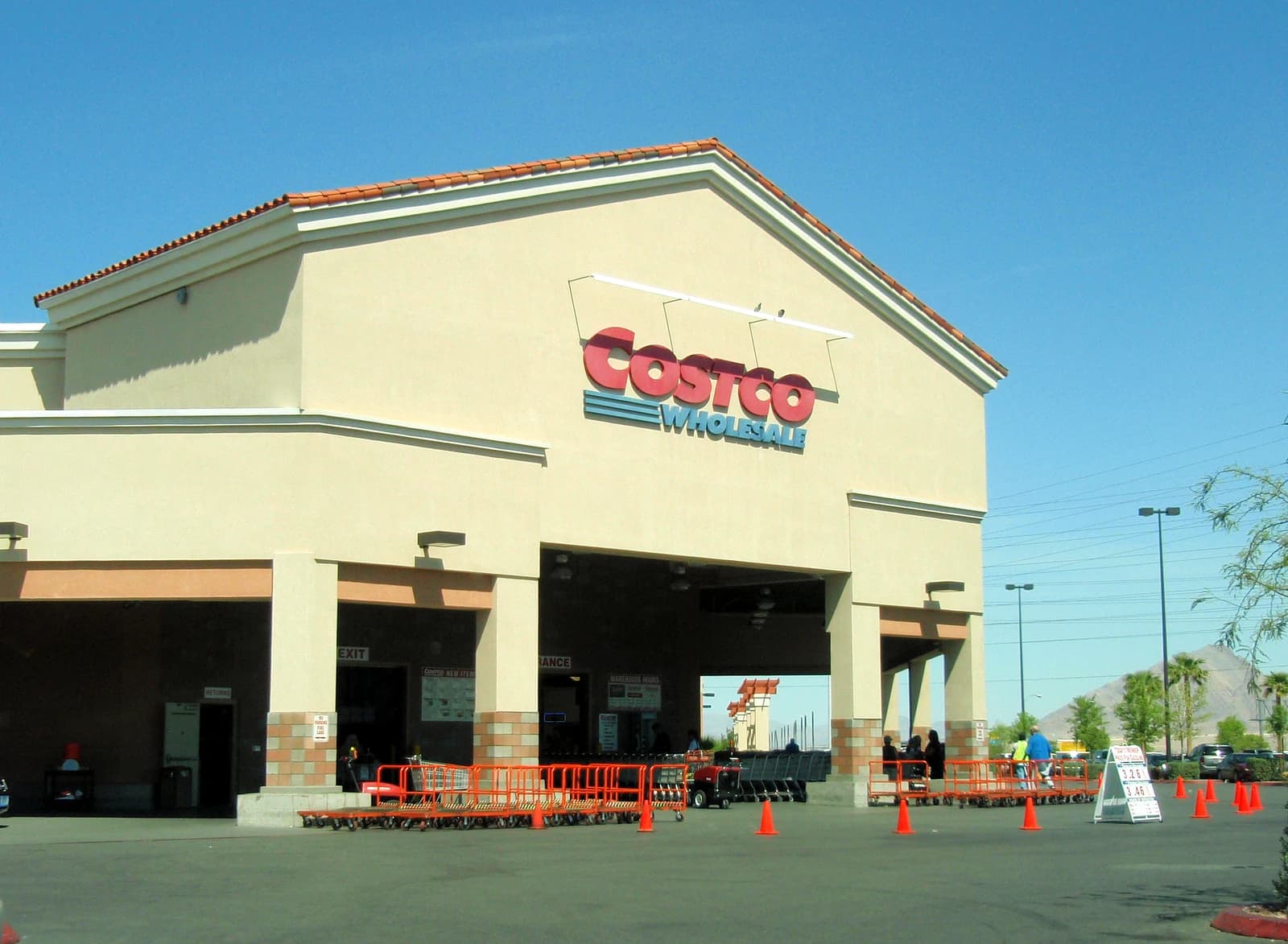
Costco Wholesale is proving that in a high-cost consumer economy, private label can be a premium business, not a discount afterthought.
That matters because the market’s next big consumer trade is no longer about who can be cheapest on paper, but who can combine trust, quality and scale well enough to keep shoppers trading up inside the store brand aisle. Costco’s Kirkland line has become the clearest example of that shift, and the stock’s recent technical damage only sharpens the setup: Costco closed at $895.31 on Sept. 18, below its 50-day moving average of $936.24 and its 200-day average of $958.23, with RSI readings near 21, a level that suggests the shares are deeply oversold rather than structurally broken.
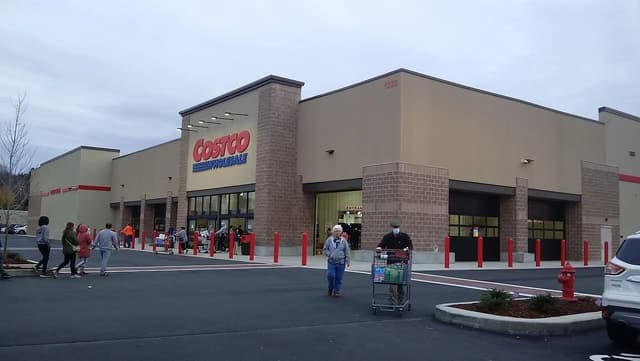
The investment case is bigger than one retailer. Kirkland is a margin engine, a loyalty tool and a competitive moat wrapped into one. In an era when households are still hunting for value but are far more brand-conscious than in the old generic era, the company that owns the private-label relationship can win more profit per basket without looking like it is forcing a trade-down. Costco’s own filings emphasize its “pricing authority” and focus on quality goods at competitive prices, which is exactly why Kirkland resonates: consumers do not feel like they are settling.
That is the key contrast with Walmart and Target. Walmart remains the volume leader in value retail, but its stock has been trading around $106.73, below both its 50-day and 200-day moving averages, while Target has been far more volatile after a sharp summer run and pullback. Walmart’s Adalytica earnings sentiment has fallen to neutral, with awareness in fear territory, suggesting investors are no longer rewarding the name simply for defensive exposure. Target, meanwhile, has cooled from a stretched peak and now looks more like a reopening of the same question: who owns the consumer’s trust when budgets are tight but expectations are high?
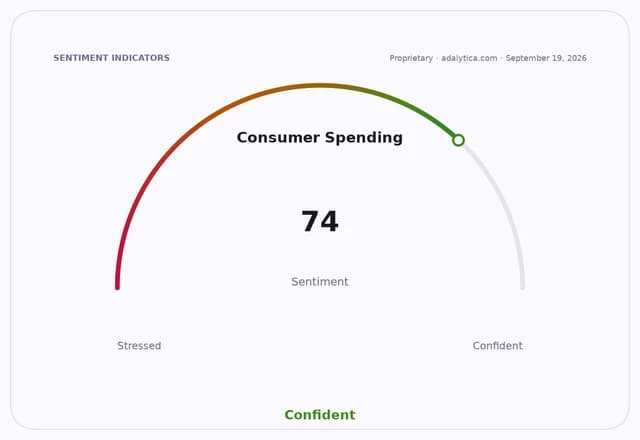
For investors, that makes Costco more than a mature warehouse club story. It is a secular beneficiary of the private-label premiumization trend, where consumers increasingly view store brands as intelligent choices rather than compromises. That shift supports not just sales mix, but membership stickiness, traffic quality and long-term pricing power. It also creates a wider winner circle: packaged-food suppliers with Costco distribution, logistics firms serving high-throughput retail, and the warehouse model itself, which monetizes loyalty better than traditional big-box formats.
The recent price action gives patient investors an opening. Costco has been knocked back from its highs, but the business case has not changed: if consumers keep demanding value with quality, Kirkland remains one of the strongest brands in retail, even if it sits under a store label. The market tends to underestimate that kind of brand equity because it is hidden in plain sight. I believe that is exactly where the opportunity is.
| Entity | Gains | Losses |
|---|---|---|
| Costco / Kirkland | ▲Membership loyalty | ▼Private-label skeptics |
| Budget-conscious shoppers | ▲Quality-at-value | ▼Old-school generics |
| Walmart | ▲Traffic from value seekers | ▼Margin pressure |
| Target | ▲Brand differentiation | ▼Commodity private labels |