Costco value model faces more price competition
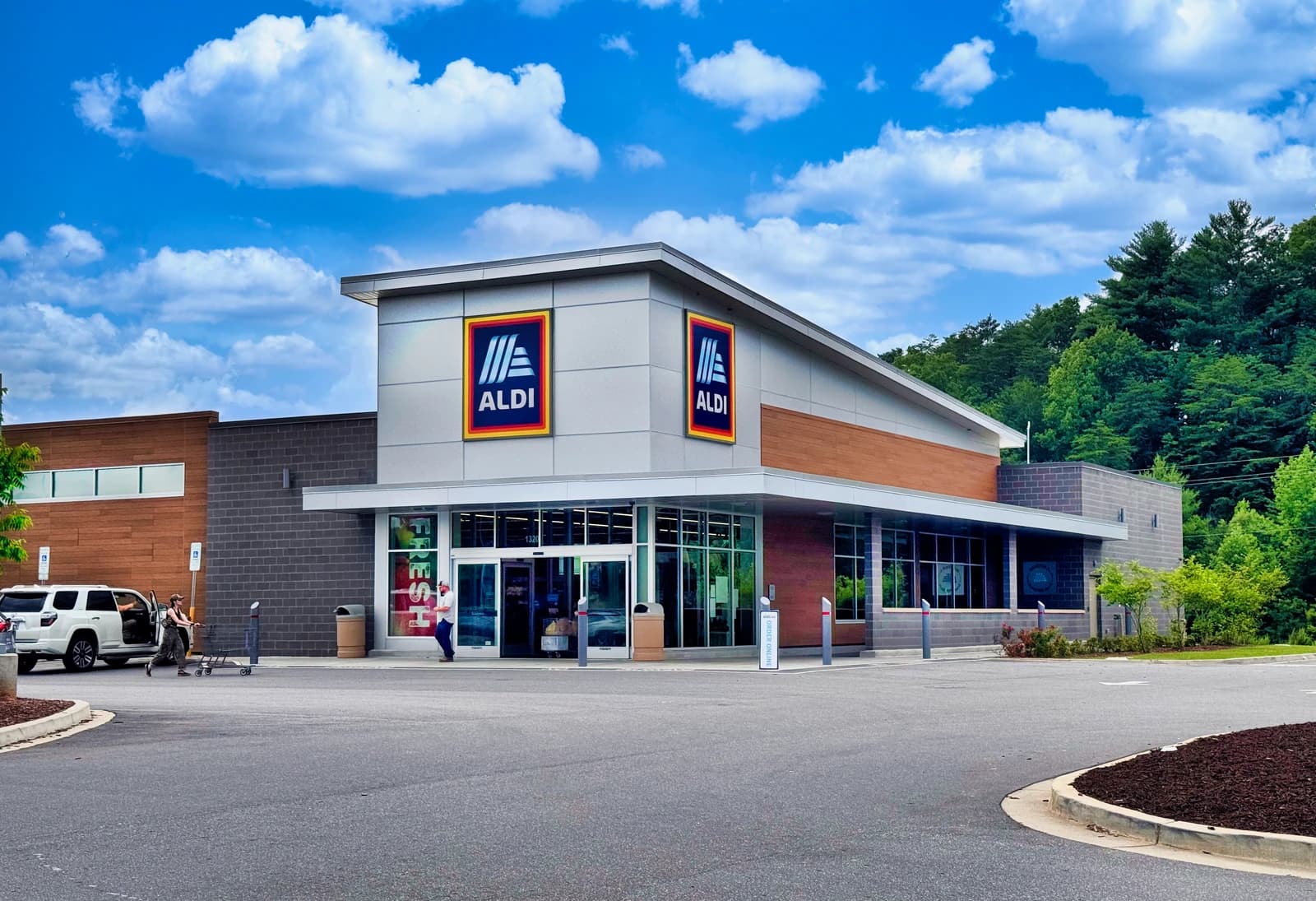
Costco’s bulk-buying model still appeals to inflation-weary shoppers, but the economics of the current discount cycle mean warehouse pricing is no longer the automatic low-cost answer on every basket. As retailers lean harder on targeted promotions, clearance markdowns and aggressive price competition, consumers can often beat Costco on specific items at Walmart, Target, Lidl and other chains — and that matters because it shows value-seeking is becoming more fragmented, more tactical and less loyalty-driven.
That shift matters for investors because it speaks to the state of U.S. consumer spending: households are still hunting for savings, but they are increasingly comparing prices store by store rather than defaulting to a single club model. Adalytica’s consumer spending sentiment gauge is in fear territory at 25, while awareness is elevated at 89, suggesting shoppers are highly attuned to price gaps even as confidence remains weak. In that environment, the retailers that can win baskets on convenience, discounts and category-specific pricing have an edge over operators whose value proposition depends on membership economics and bulk purchasing.
The comparison also helps explain the market backdrop for big-box stocks. Walmart has been one of the clearest beneficiaries of trading-down behavior, even after a volatile stretch in its shares, because it can compete on everyday staples and maintain traffic across a broader income base. Target, meanwhile, has had to lean on sharper promotions to defend share in discretionary categories, which can support volume but pressure margin if discounting persists. Costco remains strong on renewal rates and private-label credibility, but its model can lose on unit pricing when shoppers only need one or two items, or when rivals use short-term markdowns to undercut its signature value image.
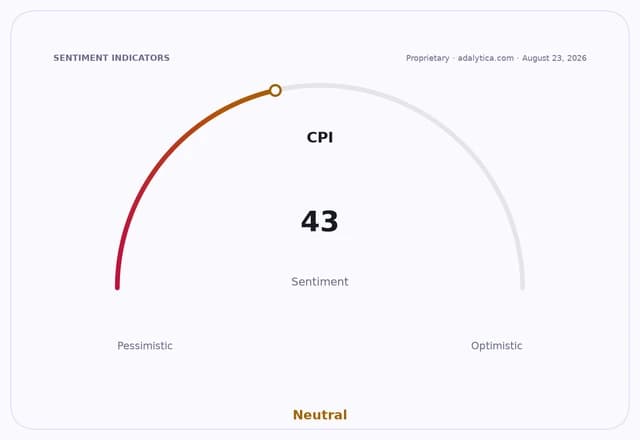
The macro context is not especially supportive of broad consumer spending either. The Adalytica consumer spending sentiment reading is still pessimistic despite a recent uptick in awareness, and the CPI gauge remains neutral, pointing to an inflation backdrop that is no longer spiking but still high enough to keep shoppers price-sensitive. That makes the “five stores with better deals” narrative more than a consumer tips story; it is a reminder that retail competition is being reshaped by a cautious household and a promotional market in which price transparency matters more than brand prestige.
For investors, the key question is not whether Costco has lost its edge — it has not — but whether its premium membership model is as bulletproof when consumers are willing to cherry-pick deals elsewhere. Bulls will argue the company’s scale, loyalty and traffic resilience protect earnings even if some baskets go elsewhere. Bears will counter that in a slower-spending environment, the cheapest visible price often wins the sale, and rivals with more flexible assortments or sharper promotions can capture incremental share.
| Entity | Gains | Losses |
|---|---|---|
| Walmart | ▲Price-seeking shoppers | ▼Costco on staple baskets |
| Target | ▲Deal hunters | ▼Margin if discounting deepens |
| Costco | ▲Membership loyalty | ▼Price-comparison shoppers |
| Lidl and discounters | ▲Traffic from value buyers | ▼Full-price grocers |