Costco Uber Eats rollout expands to 47 states
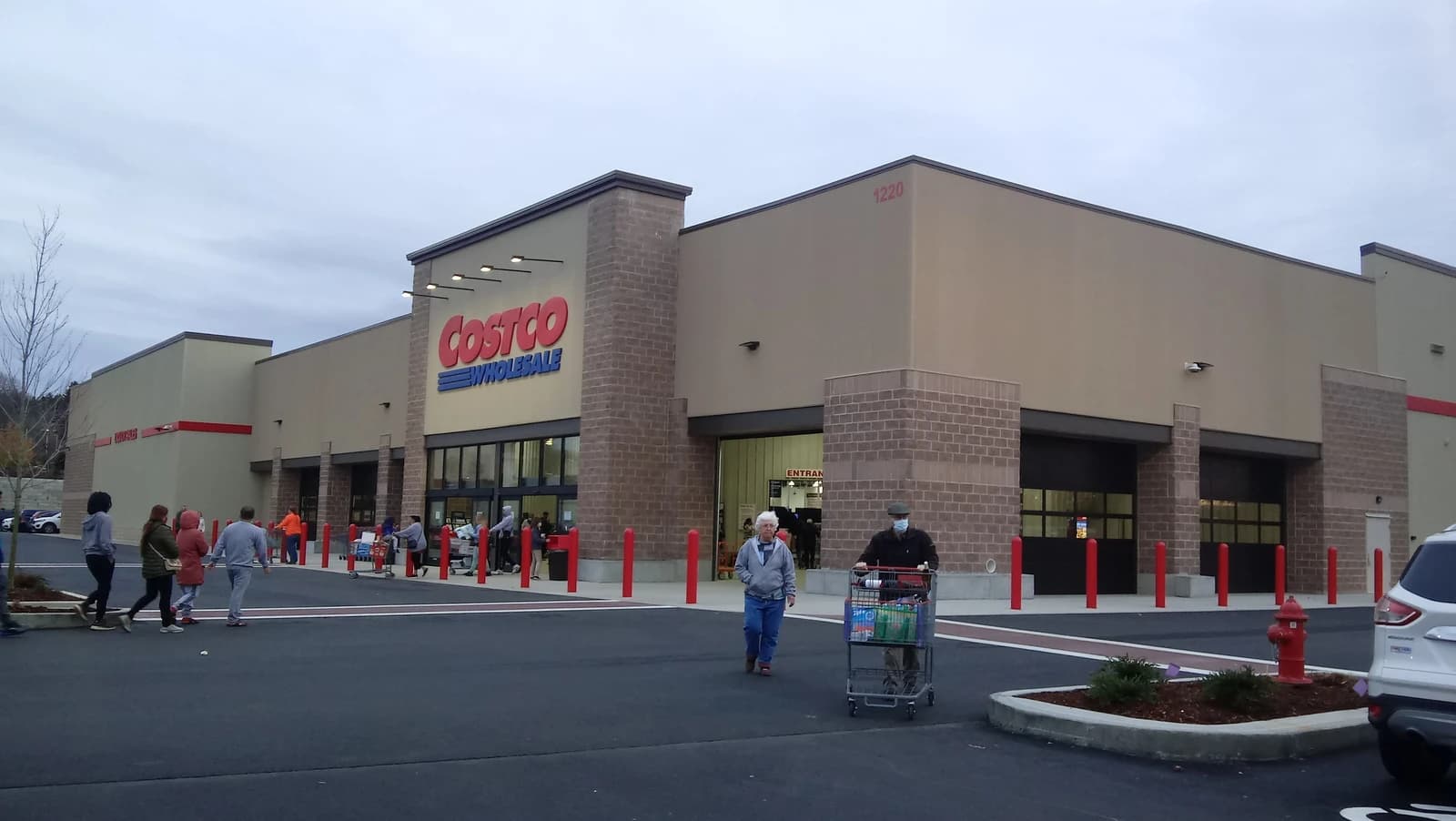
Costco Wholesale’s move to make its warehouses available through Uber Eats in 47 U.S. states marks a meaningful broadening of the online grocery battlefield, giving the warehouse club a faster route into delivery without building out a full standalone logistics network.
The expansion takes the partnership from 17 states to 47 and brings nearly 600 Costco locations onto Uber Eats, a scale that matters because grocery and household delivery has become one of the few areas where retailers can still chase volume growth from price-conscious shoppers. In a period of rising food costs and strained household budgets, the ability to order bulk staples and discretionary warehouse items through a third-party app can pull more spending online and make membership economics even more important.
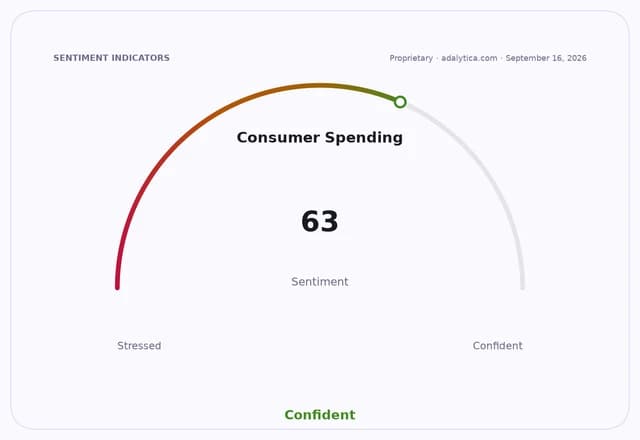
For Costco, the appeal is straightforward: it can extend reach, capture incremental basket sales and keep its low-price, high-turnover model in front of consumers who increasingly expect convenience on top of value. The company has long emphasized “pricing authority” and member loyalty; delivery through Uber Eats adds another layer to that proposition by making it easier for customers to trade up from a warehouse trip to a fee-based delivery order. The offer of reduced-price gift cards, 30% off a first Costco order through Uber Eats and waived fees for Uber One members underscores how both companies are using discounts to seed repeat behavior.
For Uber, the partnership is a way to deepen engagement beyond restaurants and attract more grocery volume, a category that can help fill delivery density and improve utilization. Uber’s business model still depends on taking a commission-like cut from transactions rather than owning inventory, so adding a major membership retailer like Costco can lift order frequency without the capital intensity of building stores or warehouses. The risk is that grocery delivery remains a thinner-margin segment than restaurant delivery, and the company’s own filings warn that newer revenue initiatives can be more expensive than expected.
Investors will view the deal as part of a broader shift in U.S. retail: membership clubs, mass merchants and delivery platforms are converging as consumers split shopping between value and convenience. Costco’s shares have been under pressure recently, with the stock trading well below its 50-day moving average and the relative strength index in oversold territory, suggesting the market has already discounted some near-term weakness. Uber, meanwhile, remains below its own 50-day average as well, but the Costco tie-up gives the stock another proof point that its delivery network can monetize non-restaurant demand.
The bull case is that the partnership expands addressable demand for both companies with little incremental fixed cost and helps convert occasional shoppers into repeat users. The bear case is that delivery discounts simply subsidize purchases that would have happened anyway, while squeezing economics in a category where consumers are already highly price sensitive. What matters next is whether the state rollout translates into sustained order frequency and larger baskets, or whether it becomes another promotional test in a grocery delivery market where growth is easy to buy but harder to make durable.
| Entity | Gains | Losses |
|---|---|---|
| Costco | ▲More digital sales reach | ▼Some margin pressure from promos |
| Uber | ▲Higher delivery volume | ▼Lower-margin grocery mix |
| Consumers | ▲Convenience and discounts | ▼Potential fees after promos |
| Competing grocers | ▲More delivery competition | ▼Share of convenience spending |