Costco Faces Sharper Competition From Walmart
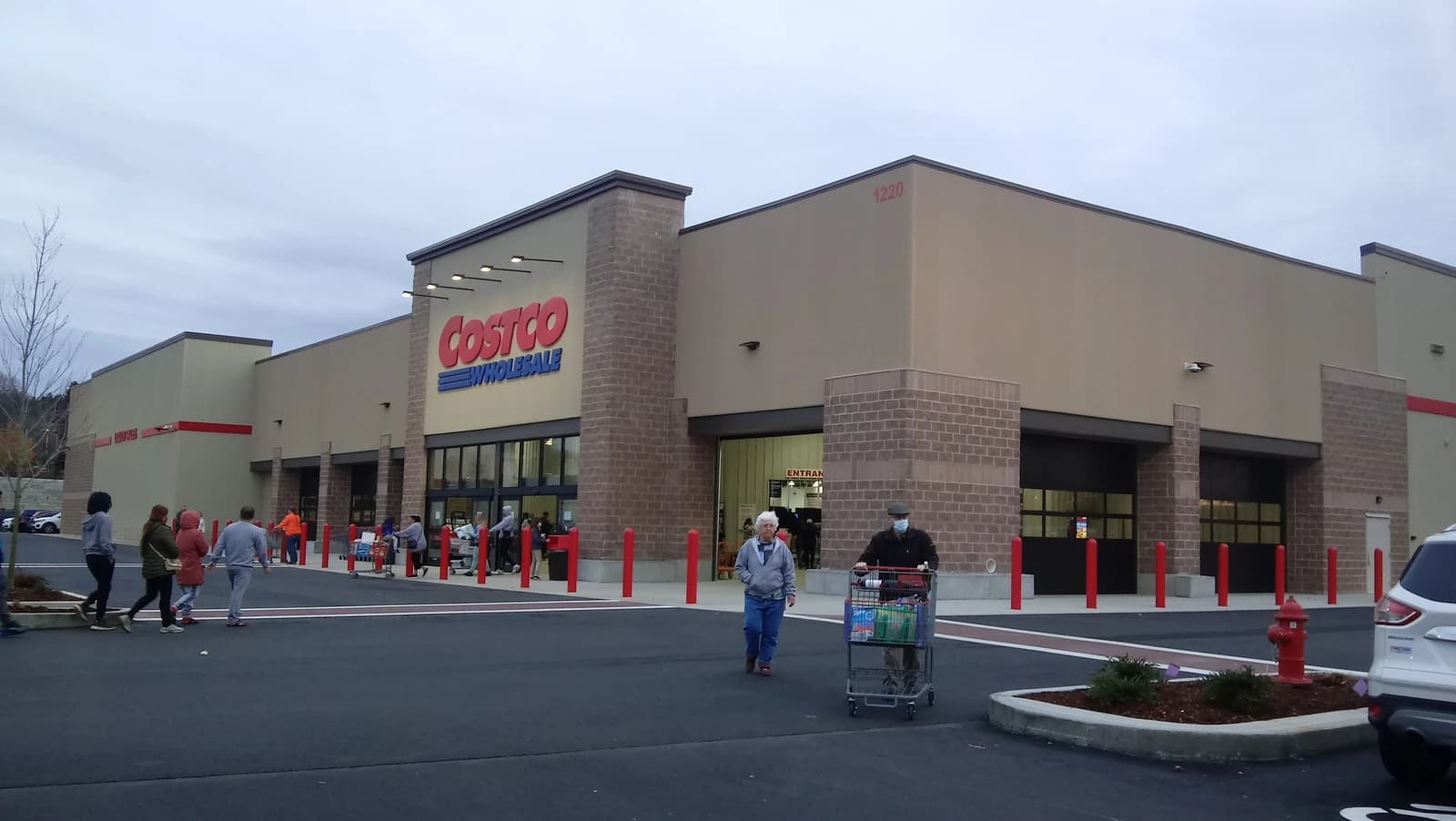
Costco Wholesale is facing a sharper challenge from Walmart as the world’s biggest retailer leans harder on memberships, e-commerce and club-level convenience to pull budget-conscious shoppers away from warehouse chains.
That matters because Costco’s business model rests on a simple proposition: traffic, renewal rates and bulk basket sizes can offset thin product margins. A more aggressive Walmart, especially through Sam’s Club, threatens that formula by competing not just on price but on the broader economics of membership shopping — delivery, omnichannel access and recurring fees.
The competitive pressure comes as Walmart’s recent results showed Sam’s Club U.S. e-commerce sales contributed about 3.1 percentage points to comparable sales for the first and second quarters ended July 31, underscoring how the club format is gaining traction beyond the warehouse floor. Walmart also told investors it is prioritizing operating income leverage, a sign it can keep investing in convenience while still protecting profitability. For Costco, that raises the stakes around maintaining “pricing authority” — its long-standing ability to convince members they are getting the best deal without relying on deep promotional activity.
The market has started to reflect the tug-of-war. Costco shares have fallen to about $895.31 from a recent high above $1,090, leaving the stock below both its 50-day and 200-day moving averages. The latest reading on the 14-day relative strength index, or RSI, at 21 suggests the shares have become technically oversold after the slide, while the negative MACD points to persistent near-term momentum pressure. Walmart, by contrast, has steadied around $106.73 even after a pullback from earlier highs, while Target has bounced to about $158.19 after a powerful run, highlighting how investors are rotating among the big-box names as the retail competitive landscape shifts.
The danger for Costco is not that Walmart suddenly becomes a better warehouse club operator overnight. Costco still has an enviable membership model, strong supplier relationships and a loyal customer base. But Walmart’s scale gives it more room to blur the line between mass merchant and club retailer, and its digital reach can make Sam’s Club feel more convenient for households that increasingly value delivery, pickup and frictionless replenishment as much as low unit prices.
For investors, the key question is whether Costco can keep growing renewals and traffic fast enough to defend its premium valuation if competitors narrow the convenience gap. A sustained share recovery would likely require evidence that membership growth, fee income and comparable sales remain resilient despite the new pressure from Sam’s Club. Until then, Costco may need to prove once again that in warehouse retail, price is only part of the moat.
| Entity | Gains | Losses |
|---|---|---|
| Walmart / Sam’s Club | ▲More club traffic, member growth | ▼Costco’s pricing edge |
| Costco | ▲Defensive valuation if renewals hold | ▼Market share in value-seeking households |
| Target | ▲Relative trading bounce, discretionary appeal | ▼Less direct club-format advantage |
| Consumers | ▲More choice, better convenience | ▼Less pricing separation between rivals |