Costco, Walmart, Kroger on easing grocery inflation
U.S. grocery inflation is easing faster than many consumers expected, but the bigger market story is that shoppers are still spending — just differently, with hot weather pushing demand toward snackier “picky bits” and other convenience foods.
That matters because food is one of the most visible pressure points in household budgets, and any cooling there feeds directly into real spending power. Fresh CPI data show overall consumer prices are projected to rise 0.35% in August, while core inflation is seen up 0.21%, both modest monthly gains that reinforce the view that the worst of the inflation shock has passed. For retailers, that shift is crucial: volume growth becomes easier when ticket growth slows, and the winners are the chains with scale, pricing power and the ability to capture trade-down demand.
The market is already telling part of that story. Costco has clawed back toward $962 a share after a summer drawdown, with its 50-day moving average now back above the 200-day line and RSI readings recovering to the mid-50s, while Walmart has steadied around $115 after a sharp pullback from its spring highs. Those are not just technical resets; they reflect a sector where investors are weighing resilient food traffic against a softer inflation backdrop that could cool near-term pricing power.
Kroger, by contrast, has been punished much more heavily, sliding to the mid-$50s and still trading below its 200-day moving average, even though its latest filing pointed to higher e-commerce, pharmacy and fresh sales. That divergence matters. If inflation continues to decelerate while consumers keep hunting value, the market should favor the operators that can pull share through lower prices, better mix and convenience-led baskets, rather than those relying on pure pricing inflation to lift revenue.
The hotter weather angle is also important because it suggests grocery demand is not simply weakening; it is rotating. People are buying more ready-to-eat, snack and picnic-style items, which can lift basket composition even when unit growth is choppy. That is exactly the kind of second-order trend the market often misses: when budgets are tight but temperatures soar, shoppers do not stop spending, they reallocate spending toward small indulgences and convenience.
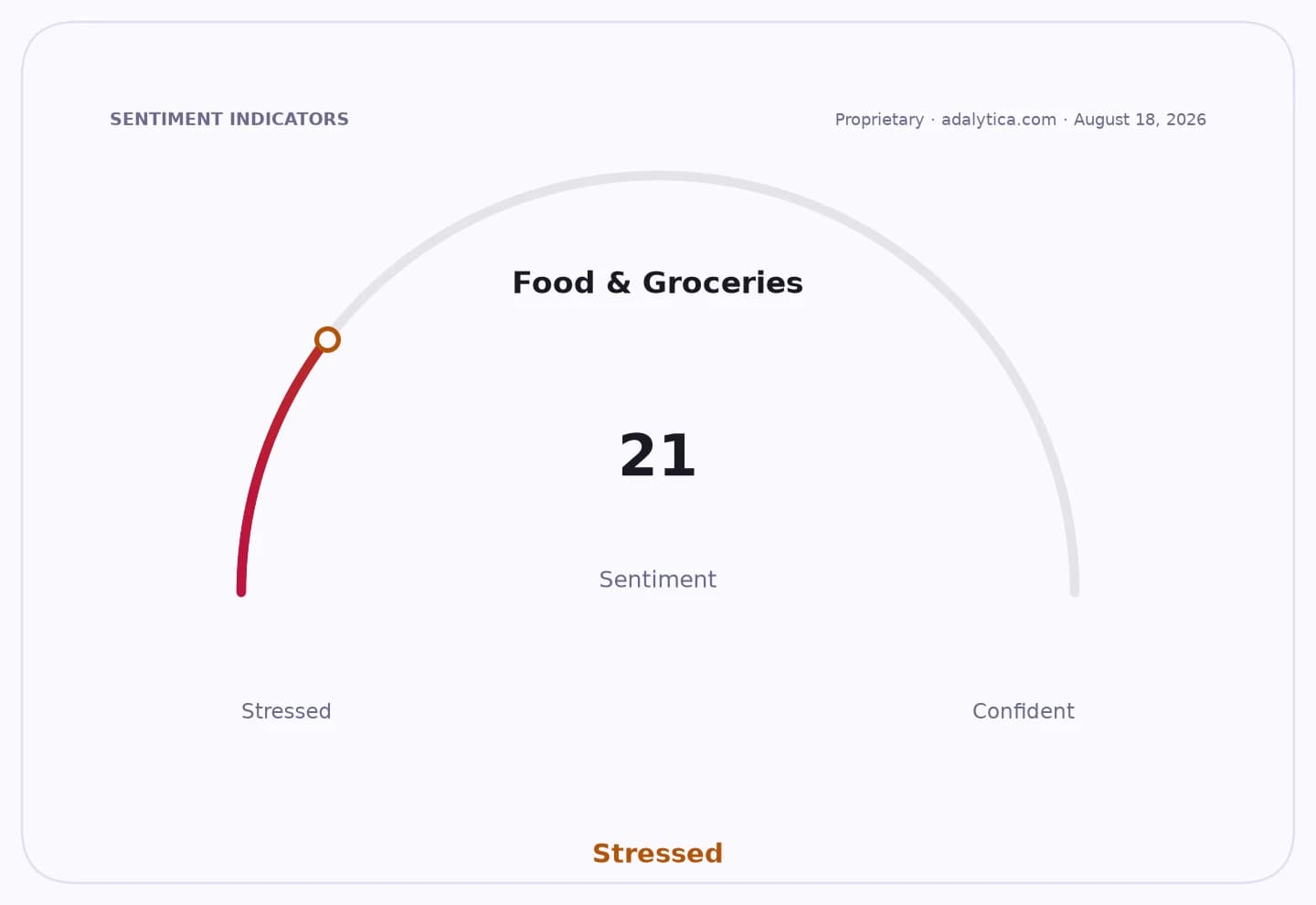
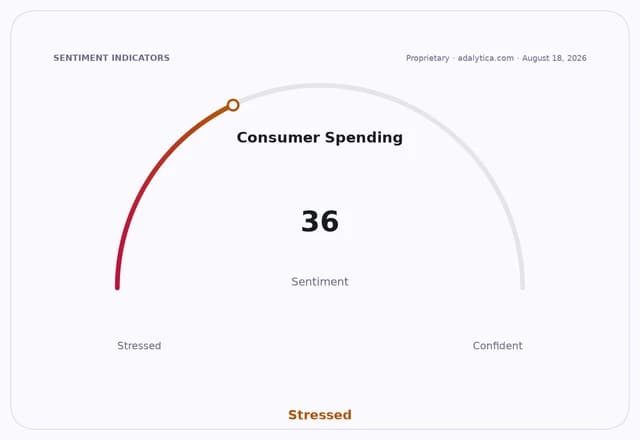
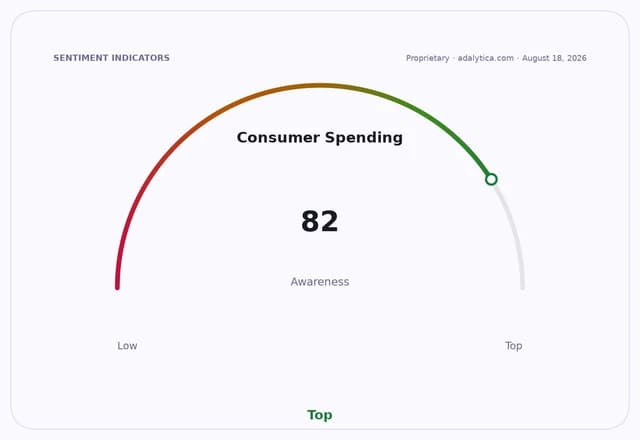
Adalytica’s Food and Grocery Spending Sentiment has plunged to Fear, while Consumer Spending Sentiment has slipped to Neutral, underscoring how fragile the mood remains even as actual spending holds up. That disconnect creates opportunity. The market underestimates how quickly grocery leaders can re-rate when inflation normalizes and traffic stabilizes, especially if the next catalyst is a better-than-feared retail sales print or another benign CPI reading.
For investors, the setup still favors the toll roads of food retail over the pure price takers. I believe the best way to play this inflection is through the category leaders with scale, membership loyalty and omnichannel reach — Costco and Walmart first, with selective exposure to Kroger only if you believe margin recovery can outrun the pressure from softer food inflation.
| Entity | Gains | Losses |
|---|---|---|
| Costco | ▲Strong traffic, mix resilience | ▼Slower inflation tailwind |
| Walmart | ▲Value trade-down demand | ▼Less pricing lift |
| Kroger | ▲Fresh and pharmacy sales, e-commerce | ▼Share-price pressure |
| Consumers | ▲Lower grocery inflation | ▼Fewer “inflation hedge” concerns |