Cotton disease detection and agribusiness stocks
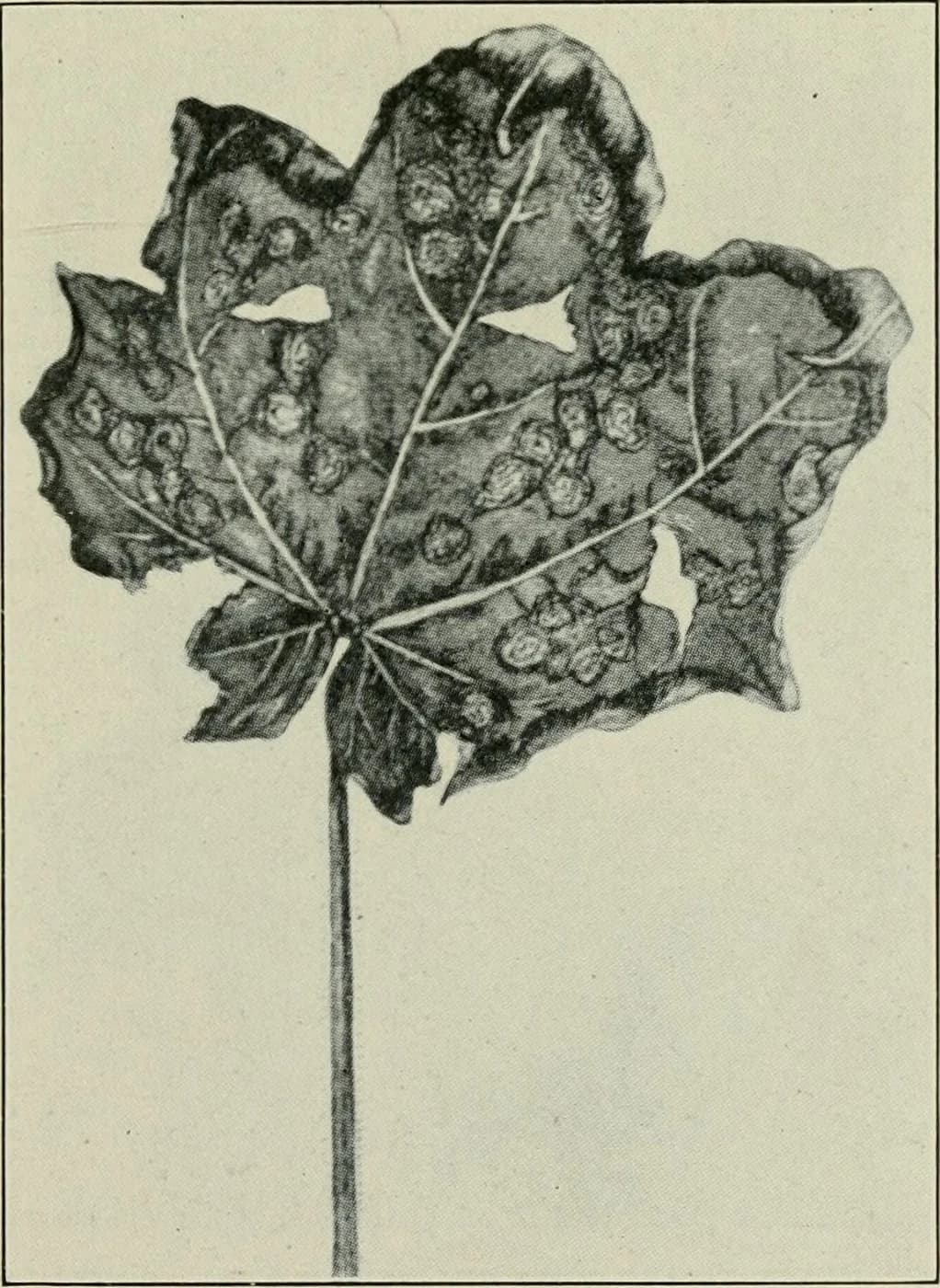
A new cotton leaf disease detection approach built on dual-backbone CNN-Transformer fusion and quantitative XAI comparison underscores how precision agriculture is becoming a more investable part of crop protection as growers face pressure to protect yields and contain input costs.
The research theme matters economically because disease detection is no longer just a farm-management problem: it can influence pesticide use, crop losses, seed demand and the revenue mix for agricultural-input companies such as Corteva, Mosaic and Archer-Daniels-Midland. In a market where cotton supply swings can move textile costs and farmer margins, tools that spot disease earlier can help reduce waste and improve harvest quality.
Cotton-related input names have also been trading with more volatility than the broader market. CTVA last closed at $76.68 on Aug. 14, down from $90.51 on July 29, a drop of about 15.3%, after a sharp pullback from the high-$80s. The stock’s RSI reading of 27.6 points to oversold conditions, while its price sits below the 50-day moving average at $81.18, suggesting investors have turned more cautious on near-term earnings and crop-protection demand.
ADM has held up better, ending at $80.45 after a recent run back above its 50-day average of $79.99, though momentum has cooled. MOS remains under pressure at $21.61, still below both its 50-day average of $22.10 and its 200-day average of $24.40, reflecting persistent skepticism around fertilizer pricing and farm economics.
The broader backdrop is mixed but supportive for agriculture technology. Kenya’s cotton revival, driven by a bumper Bt cotton harvest, points to higher supply and lower raw-material costs for textile buyers, while global efforts to improve pest control and disease monitoring continue to expand. For investors, the key question is whether AI-driven crop diagnostics can translate into better input efficiency and steadier demand for agribusiness suppliers.
The next catalyst is execution: if precision-detection systems move from lab validation into field-scale adoption, the benefit should accrue to growers and input makers that can tie better crop health to lower losses and more targeted chemical use.
| Entity | Gains | Losses |
|---|---|---|
| Cotton growers | ▲Earlier disease detection | ▼Late-stage crop losses |
| Agribusiness input makers | ▲More targeted product demand | ▼Broad-based panic buying |
| Textile buyers | ▲Lower raw-material risk | ▼Supply volatility |
| Short-term sellers in CTVA/MOS | ▲Volatility opportunities | ▼Oversold bounce risk |