Cotton farmers are getting a lift from industrial inputs and crop-protection aids, and the market is starting to price that as a broader turnaround in agricultural productivity rather than a one-off weather story.
Cotton Productivity Trade Lifts Farm Input Names
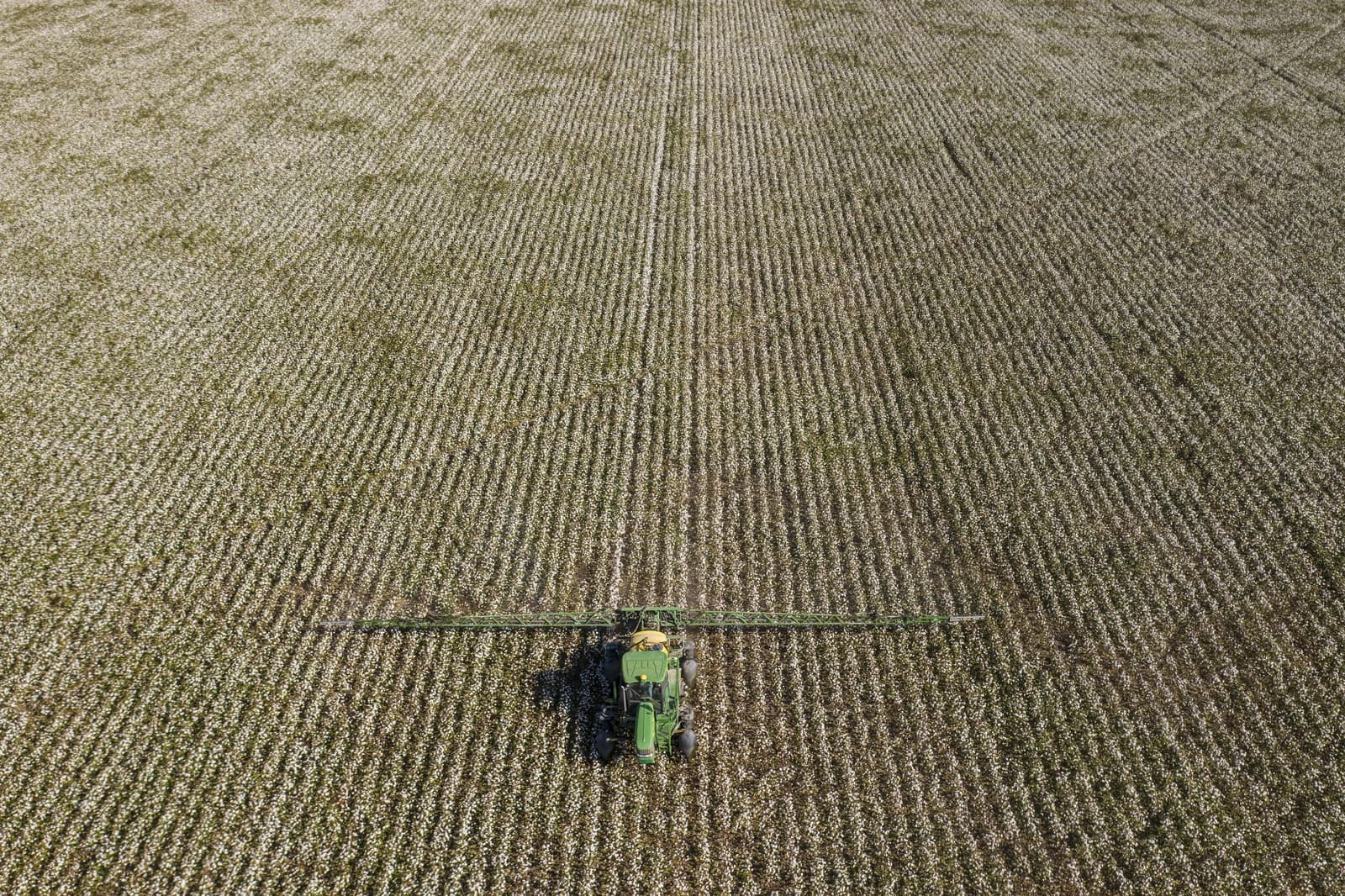
That matters because higher yields are the cleanest way to rebuild farm economics when acreage is constrained and commodity prices remain fickle. If farmers can squeeze more lint out of each acre through better seed traits, herbicides, insecticides and fertility management, the whole value chain improves: growers get more revenue per hectare, input makers sell into a sturdier replacement cycle, and downstream textile and fiber buyers gain more reliable supply.
Sentiment IndicatorsⓘProprietary · adalytica.com · July 16, 2026
This is a snapshot — live sentiment, awareness and momentum for 130+ markets update continuously in the dashboard.Open AlphaPulse
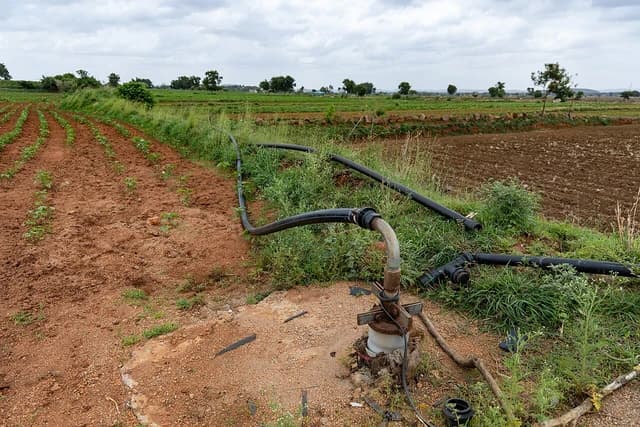
The clearest beneficiaries are the companies that sell the tools behind that yield recovery. Corteva has already shown the leverage of better crop economics, with its seed business benefiting from volume gains and its crop-protection portfolio helped by herbicides, insecticides and fungicides. Mosaic, meanwhile, is tied to the fertility side of the equation, and fertilizer pricing power tends to improve when farmers chase yield rather than simply defend acres. Nutrien sits in the middle of that trade as both a fertilizer supplier and a distribution heavyweight, giving it exposure to any increase in agronomic spending as growers try to protect margins through output gains.
The equity tape has reflected that shift. Corteva has climbed from the low $60s in early October to the mid-$80s, while Nutrien has pushed back toward the high $60s after a spring pullback. Mosaic is still lagging badly, but that may be exactly where the asymmetry lies: if the yield-improvement cycle broadens from seed and crop protection into nutrients, the fertilizer complex has more room to rerate than the market currently assumes.
Technical indicators are confirming the move. Corteva is trading above its 50-day and 200-day moving averages, with momentum still positive even after a recent pause. Nutrien has also recovered above both its 50-day and 200-day averages, while Mosaic is trying to repair a much weaker trend after spending months below its longer-term average. On conventional technical signals, that leaves Corteva and Nutrien as the cleaner momentum names, with Mosaic the deeper value turnaround if the cycle in farm input demand strengthens.
The macro backdrop helps. Agricultural policy efforts aimed at protecting cotton crops and improving crop management support a simple thesis: when growers are encouraged to safeguard yields, they spend more on the industrial “aids” that make those yields possible. That creates a second-order opportunity investors often miss. The headline sounds agricultural, but the investable story is really about capex in the field — a slow-burning, recurring demand cycle for seeds, chemicals and nutrients.
For investors, the message is straightforward: this is not just a cotton story, it is a productivity story. The market underestimates how quickly farm income can shift when yield per acre improves, and that is why I believe the best exposure remains the picks-and-shovels names tied to crop technology and fertilization. Corteva is the quality leader, Nutrien offers the balanced way to play spending intensity, and Mosaic is the higher-beta catch-up trade if yield discipline turns into a broader fertilizer restocking cycle.
The next catalyst is straightforward: better agronomic adoption, supportive crop policy and any rebound in farm income can extend this trade well beyond a single season. If you want exposure to the rising value of every extra bale, I would stay long the industrial farming input complex before the consensus fully catches on.
| Entity | Gains | Losses |
|---|---|---|
| Corteva | ▲seed and crop-protection demand | ▼yield-starved competitors |
| Nutrien | ▲fertilizer spending | ▼growers cutting input budgets |
| Mosaic | ▲potash restocking upside | ▼late-cycle fertilizer bears |
| Cotton farmers | ▲higher output per acre | ▼low-yield producers |