The Mexican peso weakens against the dollar as investors wait for the next U.S. inflation reading, a report that could reshape expectations for Federal Reserve interest-rate cuts and keep pressure on emerging-market currencies.
Hot CPI Could Pressure Peso and Mexico Stocks

The move matters because U.S. inflation is the main near-term driver of Treasury yields, the dollar and global risk appetite. If the CPI report comes in hotter than expected, markets may push back bets on easing, lifting U.S. rates and making it harder for higher-yielding currencies such as the peso to hold gains.
Sentiment IndicatorsⓘProprietary · adalytica.com · July 13, 2026
This is a snapshot — live sentiment, awareness and momentum for 130+ markets update continuously in the dashboard.Open AlphaPulse

That backdrop is already visible in U.S. markets. The 10-year Treasury yield was around 4.56%, close to recent highs, while the Federal funds rate stood at 3.63%, underscoring how much the market is still anchored to restrictive policy. Dollar strength also showed up in the Invesco DB U.S. Dollar Index Bullish Fund, or UUP, which rose to 28.50 on Monday from 28.36 on July 9 and sat above both its 50-day and 200-day moving averages.
For Mexico, the stakes are direct. The peso is highly sensitive to shifts in U.S. real yields and dollar demand because of its role as a carry-trade currency. When U.S. inflation runs hot, the dollar typically firms, Treasury yields rise and capital tends to rotate away from riskier EM assets.
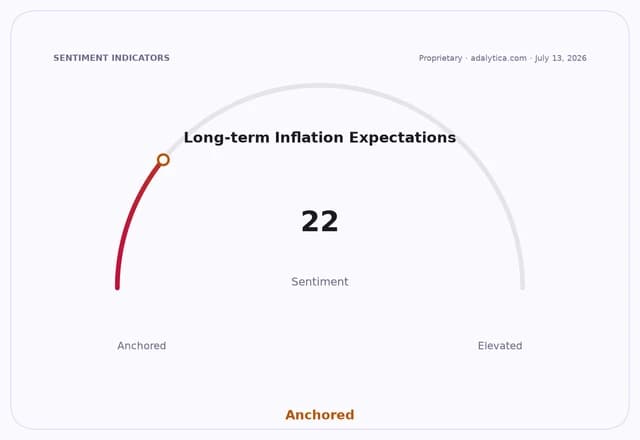
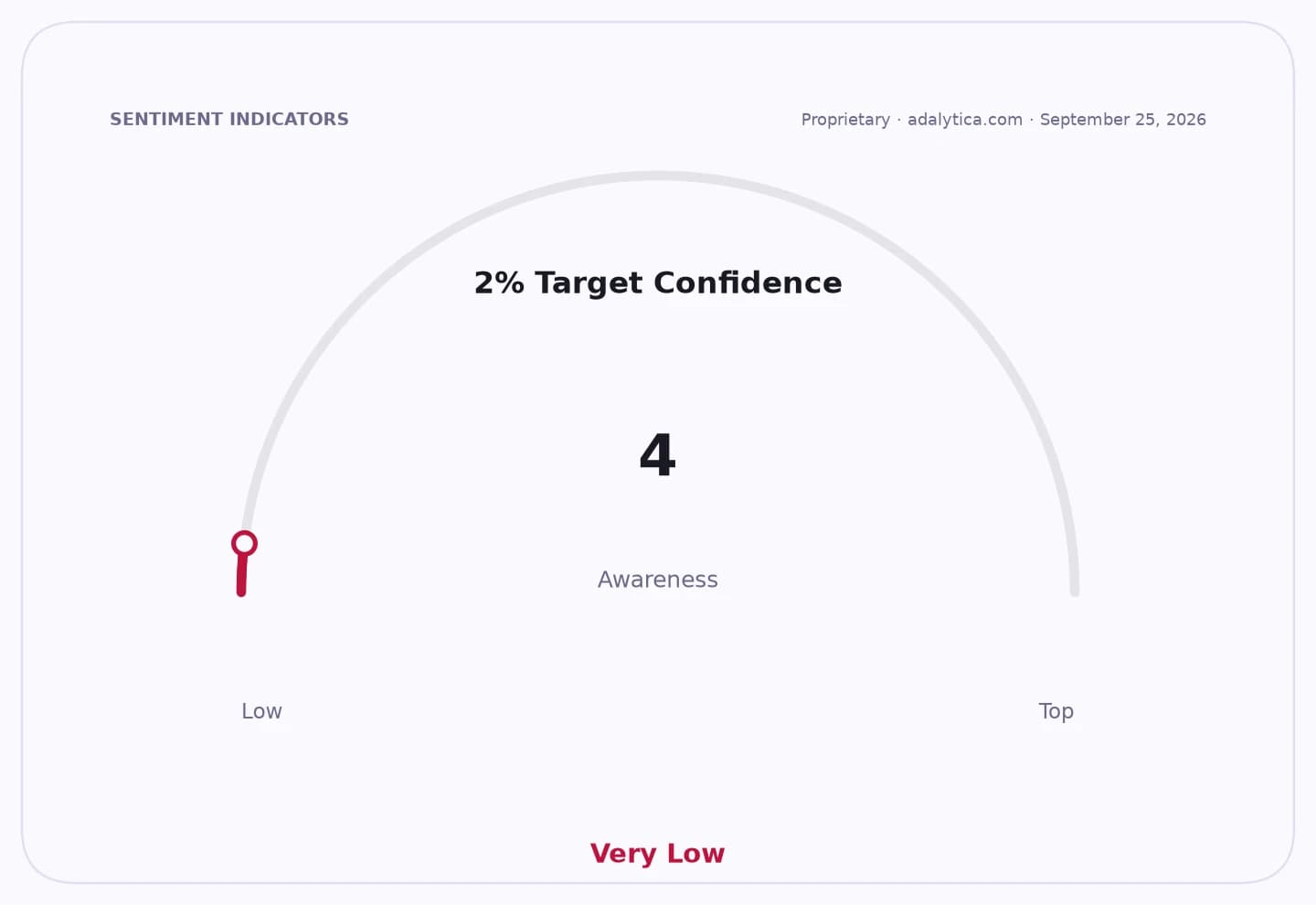
Investors are also watching whether the inflation print reinforces or eases worries about the Federal Reserve’s ability to get back to target. Adalytica’s Long-Term Inflation Expectations Sentiment gauge sits at 22, in fear territory, while confidence in the Fed’s 2% inflation target is even weaker at 7, signaling deep skepticism around the disinflation path.
Exchange-traded funds tied to Mexico have already reflected the caution. The iShares MSCI Mexico ETF, EWW, fell to 74.15 from 74.86 on July 10 and remains below its 50-day moving average, a sign of fading near-term momentum even though it is still above its 200-day average.
For currency traders, the next catalyst is the U.S. CPI release and any shift in Fed-cut pricing that follows. A softer-than-expected print could ease Treasury yields and help the peso recover, while a firmer reading would likely extend dollar support and keep pressure on Mexican assets.
| Entity | Gains | Losses |
|---|---|---|
| U.S. dollar | ▲Higher yields support demand | ▼None near term |
| Mexican peso | ▲Softer CPI and lower yields | ▼Hot inflation, stronger dollar |
| Treasury bulls | ▲Cooler inflation and lower yields | ▼Rising yields, sticky CPI |
| Mexico ETF holders | ▲Stabilization in EM risk appetite | ▼Dollar strength and risk-off flows |